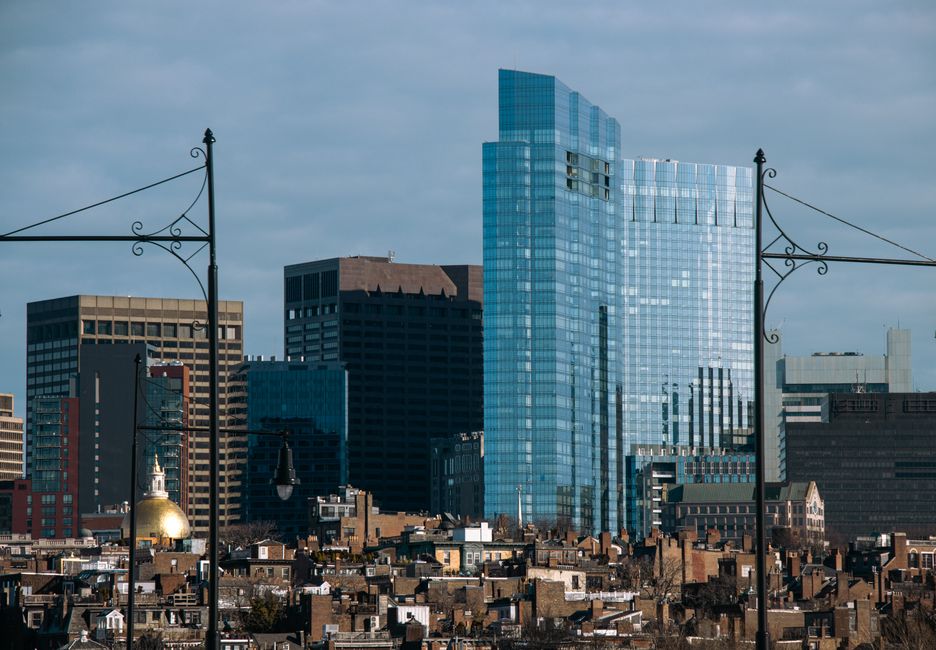
Boston's Seaport District is poised for its most significant redevelopment push in a decade, with preliminary planning documents revealing a $3.2 billion mixed-use project that could reshape the neighbourhood's industrial waterfront and inject an estimated 2,400 new residential units into the market.
The initiative, backed by a consortium of three major Boston developers, targets roughly 18 acres of underutilised land between Fort Channel and the Rose Kennedy Greenway. Current market analysis suggests completed apartments in the finished development could command between $750,000 and $1.85 million, depending on proximity to the water and local amenities—positioning the project firmly in Boston's competitive luxury segment.
"This is genuinely transformative for the area," says Marcus Chen, commercial director at Boston Properties Advisory. "We're talking about converting spaces that have been dormant or underperforming for years into vibrant mixed-use precincts. The demand is clearly there."
The phased rollout would begin in 2027, with the first residential towers breaking ground alongside a 45,000-square-metre retail and hospitality precinct. Early plans suggest street-level activation, public plazas, and direct waterfront access—features that have proven critical to recent successes in nearby Fort Point and the Leather District.
However, the proposal has already sparked debate among local residents and community groups. Concerns centre on traffic management, parking provision, and whether the project adequately addresses affordable housing requirements. Boston's Inclusionary Development Policy mandates 13 per cent of units be priced for households earning up to 70 per cent of area median income—a threshold that could affect roughly 312 apartments in the full build-out.
The Seaport Neighbourhood Association has requested modifications to building heights in sections adjacent to residential streets, while transportation advocates want guarantees that the project won't overwhelm the neighbourhood's existing public transit infrastructure.
Planning approval could come as early as Q4 2026, assuming community consultation progresses smoothly. Comparable developments—including the recent Atlantic Wharf expansion and the ongoing Pier 4 project—have faced similar scrutiny before ultimately gaining support.
For investors watching Boston's property trajectory, the Seaport initiative signals continued confidence in waterfront regeneration. Current comparable sales show developer land in the precinct fetching upwards of $485 per square foot—a 12 per cent year-on-year increase that reflects genuine scarcity and long-term upside potential.
The next planning committee hearing is scheduled for late July.
This article was compiled by AI and screened before publishing. See our editorial standards.