finance
Commercial Boom Reshapes Boston's Job Market and Talent Landscape
Expansion in Boston’s commercial real estate sector is reshaping employment opportunities and talent dynamics across the city.
How we reported this
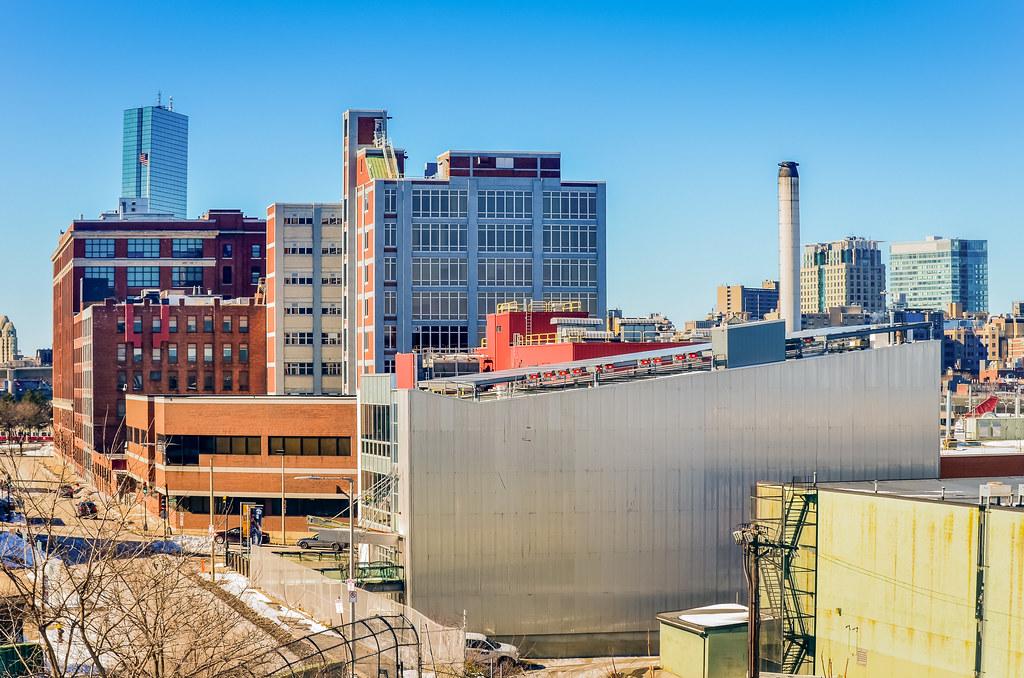
Boston's commercial real estate market is experiencing a notable shift, significantly influencing the local job market and the city’s talent ecosystem. New development projects and business expansions are creating fresh employment opportunities while altering the demands on professionals across sectors.
Why This Matters Now
As Boston continues to establish itself as a major global business hub, the evolution of commercial spaces carries wide-reaching implications. Businesses are responding to changes in work habits and technology integration, leading to different commercial needs that affect hiring patterns and skill requirements. These trends come amid a broader economic context where companies seek to balance hybrid working models with in-person collaboration, fueling investment into multi-functional office, retail, and innovation spaces.
Local Impact on Employment and Talent
The Greater Boston area, encompassing key business clusters, is witnessing growth in mixed-use commercial developments that target a diverse range of industries such as technology, finance, biotech, and professional services. Neighborhoods like the Seaport District continue to attract major corporations and startups alike, driving demand for a workforce skilled in digital technologies, project management, and sustainable design.
This surge in development not only creates construction jobs initially but also fosters long-term professional roles requiring a blend of traditional expertise and emerging skills. Consequently, local educational institutions and workforce initiatives are adapting curricula and training programs to better align with evolving employer needs. The dynamism in Boston’s commercial real estate market also compels companies to compete more aggressively for top talent, which in turn elevates wage expectations and professional development opportunities.
The expansion of commercial infrastructure also plays a role in recruiting and retaining a global talent pool, as state-of-the-art buildings equipped with cutting-edge technology tend to attract highly qualified professionals seeking modern work environments. Meanwhile, smaller firms experience pressure to innovate and upgrade their offerings to stay competitive in both workspace and employee benefits.
While quantitative data specific to Boston’s development-driven job growth is not available in recent reports, qualitative observations indicate a palpable transformation in workforce composition and company hiring strategies. This underscores the importance for workers and employers alike to remain adaptable and proactive in talent development.
Looking ahead, Boston’s commercial development trend is likely to continue influencing the job market trajectory, underscoring a need for ongoing collaboration between urban planners, businesses, and education providers. Job seekers should monitor sector-specific shifts and consider upskilling to remain relevant, while companies will benefit from aligning real estate strategies with talent acquisition and retention goals.
This article is general information only and is not personal financial or investment advice. Consider your own circumstances and seek licensed professional advice before making financial decisions.