Tracing the History and Evolution of Boston’s Event Scene This Weekend
From midsummer concerts to street festivals, Boston’s cultural offerings reflect decades of growth and transformation.
From midsummer concerts to street festivals, Boston’s cultural offerings reflect decades of growth and transformation.
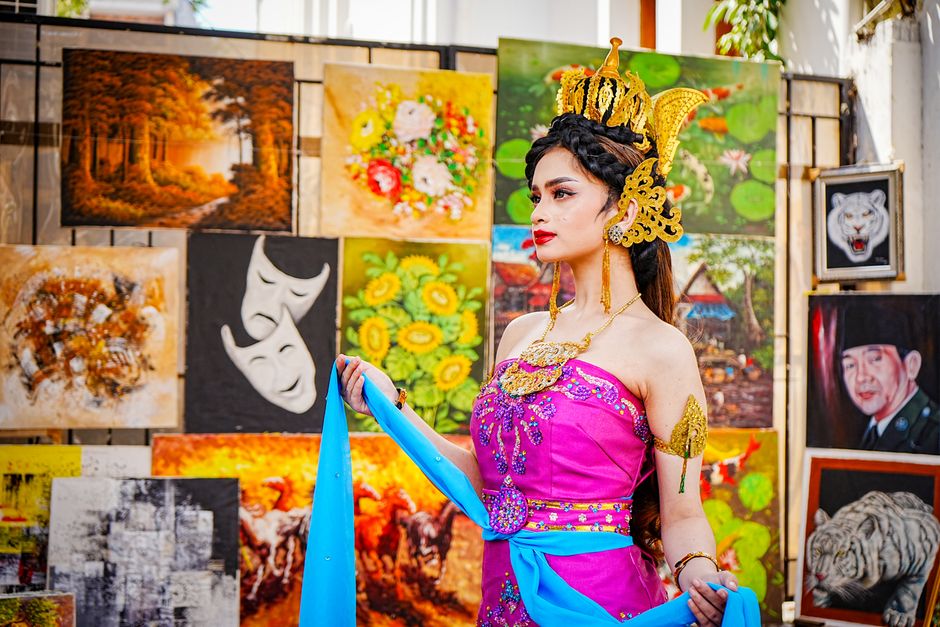
This weekend, Boston’s calendar bursts with events that encapsulate the city’s rich cultural evolution, from the Boston Calling Music Festival on Lansdowne Street to the annual Neighborhood Ball in Dorchester. Each gathering offers a glimpse into how the city's communal and artistic life has evolved over the decades, blending historic roots with contemporary creativity.
Boston’s event scene is not just about entertainment; it’s a mirror of the city’s changing demographics, artistic tastes, and economic shifts. After years of pandemic-related disruptions, 2026 sees a return to robust, in-person cultural celebrations that also honor the city's history. These events highlight ongoing urban renewal efforts that aim to preserve Boston’s unique character amid rapid development, signaling a collective pride in the city’s past and a commitment to inclusive community-building.
For many Bostonians, the weekend lineup is a chance to engage locally after years of constrained activity. The events also affect the city's hospitality sector, a significant economic driver in downtown and neighborhood corridors alike.
At the forefront is the Boston Calling Music Festival, held at the revamped Harvard Athletic Complex near Lansdowne Street, which draws crowds of over 40,000 annually. This festival began in 2013 as a modest city event but has expanded into a major attraction, blending national headliners with local acts. Another notable gathering, the Dorchester Neighborhood Ball, organized by the Dorchester Arts Collaborative, brings together local artists, chefs, and historians to celebrate the South Boston community’s heritage with food and performances at the Strand Theatre on Washington Street.
Additionally, the Institute of Contemporary Art (ICA) on the waterfront hosts the 'Sound & Sight Summer Series,' featuring audiovisual performances tied closely to Boston’s artistic legacy. These venues and organizations demonstrate how Boston’s event scene thrives through a mixture of historic preservation and innovation.
Event attendance figures underscore the revival of Boston’s cultural life: the Boston Convention & Exhibition Center reported a 25% increase in bookings for summer events compared to pre-pandemic levels in 2019. Ticket prices have also adjusted accordingly; general admission for Boston Calling ranges between $150 and $275, reflecting its stature as a premier cultural offering.
Public investment supports this growth, with the city allocating $5 million this fiscal year towards cultural grants and neighborhood event enhancements. This funding bolsters both large-scale festivals and smaller community-driven happenings, reinforcing Boston's commitment to accessible cultural experiences.
Surveys by the Boston Foundation reveal that 67% of residents attended at least one local event in the past three months, the highest in five years, indicating renewed enthusiasm and engagement with homegrown culture.
Bostonians looking to experience this weekend’s events can find tickets for Boston Calling via official channels through July 6, with early bird discounts available until July 4. The Dorchester Neighborhood Ball is free and open to all on Saturday evening, with local vendors and shuttle services organized to ease access.
As these events continue to grow, city officials plan a series of public forums this fall to gather resident input on future programming, reflecting Boston’s desire to balance expansion with community needs. This weekend offers not just entertainment, but an invitation to witness and participate in the ongoing story of Boston’s cultural landscape.
How does this story make you feel?
Spread the word
About this article
Published by The Daily Boston
Daily brief
Free, in your inbox before 7am. Weekdays.
More in culture