Boston’s Fourth: Examining the History and Evolution of This Local Scene
From the somber tradition of Faneuil Hall readings to the sensory overload of the Esplanade, the city’s holiday programming reflects a shifting civic identity.
From the somber tradition of Faneuil Hall readings to the sensory overload of the Esplanade, the city’s holiday programming reflects a shifting civic identity.
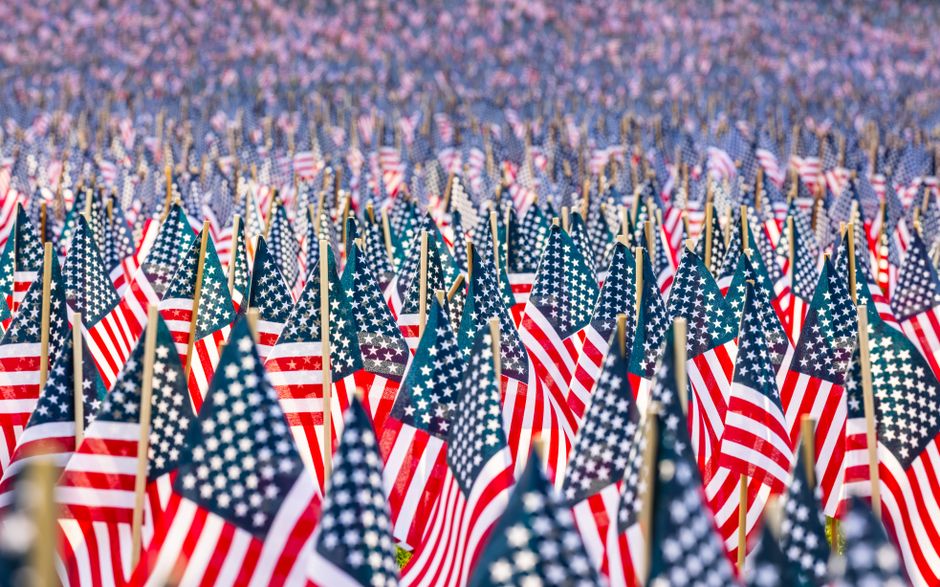
Boston wakes up today under a humid blanket of 86-degree air, marking the 250th anniversary of the nation’s founding with a schedule that reveals as much about our modern anxieties as it does our revolutionary past. While the fireworks over the Charles River remain the city’s undisputed anchor, the programming has quietly shed its rigid, mid-century formality in favor of decentralized neighborhood celebrations that prioritize local access over massive, security-heavy gatherings.
The transition of this holiday is best seen at the Old State House. For decades, the ritual was strictly confined to a solemn reading of the Declaration of Independence from the balcony by a costumed orator. Today, that event is flanked by the 'Boston 250' interactive workshops, which attempt to bridge the gap between historical reenactment and the realities of modern civic life. The focus has drifted away from purely aristocratic commemoration toward an inclusion-heavy model that acknowledges the city’s complex role in the abolitionist movement.
This shift isn't just atmospheric; it is logistical. In 1974, the Boston Pops performance on the Esplanade was a broadcast-first event designed for a national audience. By 2026, the city has recalibrated to prevent the crushing density of previous decades. City Hall has dispersed the 'Neighborhood Celebration Series' across ten different districts, from the community gardens of Dorchester to the revitalized waterfront parks in East Boston. According to the Mayor’s Office of Tourism, the city has allocated $1.2 million to these satellite events, a 15 percent increase from the 2023 budget, aimed specifically at preventing the bottlenecking of the Back Bay.
Price points reflect a city that is struggling to balance its high-cost luxury aesthetic with its blue-collar origins. A standard ticket for a harbor cruise to watch the 10:30 p.m. fireworks display now hovers around $185 per person, up from the $120 average observed five years ago. However, the public transit component remains the great equalizer; the MBTA has confirmed that all subway and commuter rail lines will run on a Sunday schedule with free service after 8:00 p.m., a policy implemented specifically to curb the gridlock on Storrow Drive.
For those looking to avoid the crushing humidity and the logistical nightmare of the Esplanade, the North End offers a more historical, if narrow, window into the city’s evolution. The Paul Revere House is running 'Revolutionary Recipes' demonstrations, highlighting the scarcity diets of 1776, a stark contrast to the modern culinary excess of Hanover Street. If you choose to brave the crowds tonight, head toward the Longfellow Bridge by 7:30 p.m. It provides the best vantage point for the pyrotechnics without requiring a wristband. Wear comfortable shoes and bring a reusable water bottle—the heat index is expected to hit 94 by mid-afternoon, making hydration more critical than any flag-waving display.
How does this story make you feel?
Spread the word
About this article
Published by The Daily Boston
Daily brief
Free, in your inbox before 7am. Weekdays.
More in culture