culture
Boston's Grassroots Organizers Launch Hyperlocal Neighborhood Arts Projects This Summer
While the nation recovers from 250th-anniversary celebrations, Boston’s grassroots organizers are turning their attention toward a summer of hyper-local neighborhood arts projects.
How we reported this
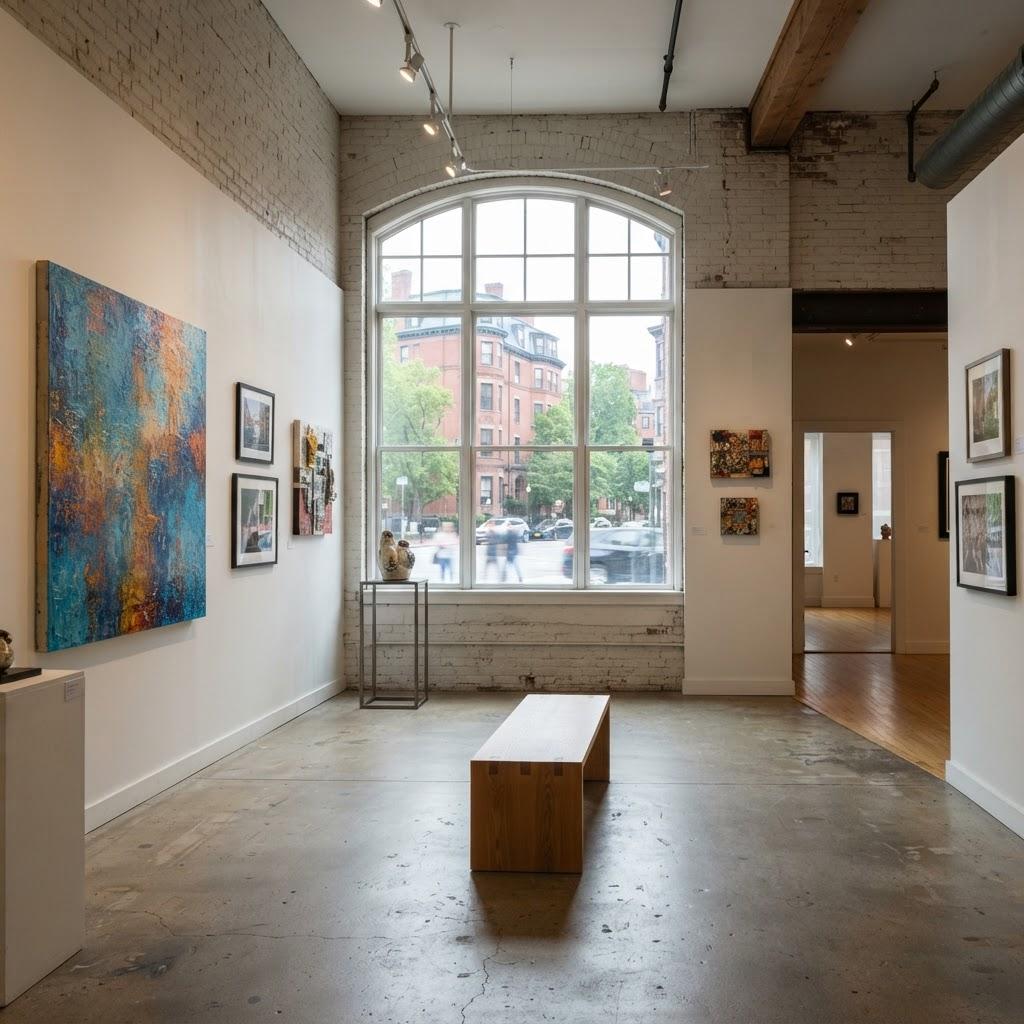
Boston’s cultural pulse moved decisively away from the Charles River Esplanade this weekend, shifting toward decentralized, community-led initiatives in the city’s residential corridors. While the major anniversary fireworks and military flyovers dominated the skyline on July 4, city planners and local collectives are reporting a marked uptick in neighborhood-based gatherings that emphasize civic participation over traditional spectator events.
The rise of local hubs
Neighborhoods like Roxbury and Dorchester are serving as the primary engines for this transition. The Dudley Street Neighborhood Initiative has pivoted its focus toward outdoor multimedia installations, moving away from centralized city-managed programming. Similarly, the Piano Craft Gallery on Tremont Street, located in the historic South End, has prioritized regional artists whose work examines the intersection of urban development and social heritage. These spaces are functioning as critical nodes for a broader movement that seeks to redefine the city’s cultural output by prioritizing accessibility for local residents over tourism-centric exhibits.
Data released by the Boston Cultural Council confirms this trend toward micro-local engagement. The city’s latest grant cycle shows that 62 percent of funded projects for the summer of 2026 are categorized as neighborhood-integrated initiatives, a 14 percent increase compared to the 2024 fiscal year. Entry fees for these smaller workshops, such as the Saturday printmaking series at the Eliot School of Fine & Applied Arts in Jamaica Plain, are currently capped at $25 to encourage higher participation rates among long-term residents.
This shift represents a reaction to the increasing professionalization of public arts in the Back Bay and Seaport districts. The movement, characterized by organizers as a push for 'community-centric sustainability,' is particularly visible in the recent expansion of pop-up garden theaters near Egleston Square. These venues are currently operating on independent budgets supported by a combination of municipal cultural grants and neighborhood donations, avoiding the reliance on large corporate sponsorships that defined earlier decade-long trends in the city.
What to expect in the coming weeks
Residents looking to engage with this movement should focus their attention on the street-level art installations planned for the upcoming weeks. The city’s Department of Neighborhood Development has scheduled a series of community-led murals to be completed by August 15 across East Boston. For those interested in active participation, the Dorchester Art Project will hold an open-call meeting on July 12 to discuss the upcoming autumn calendar, providing a space for local artists to propose projects that directly engage with current urban climate challenges.
The cultural shift in Boston is currently defined by the transition from static, large-scale displays to recurring, community-embedded programs. As public attention moves from the weekend’s holiday festivities, the most significant developments are happening in community centers and public parks, where the focus has moved to sustained, resident-led cultural programming throughout the remainder of the summer.