culture
Boston's Historic Venues Redefine Cultural Scene This Summer
As the city celebrates its post-semicentennial summer, historic venues are redefining the cultural landscape beyond the typical tourist path.
How we reported this
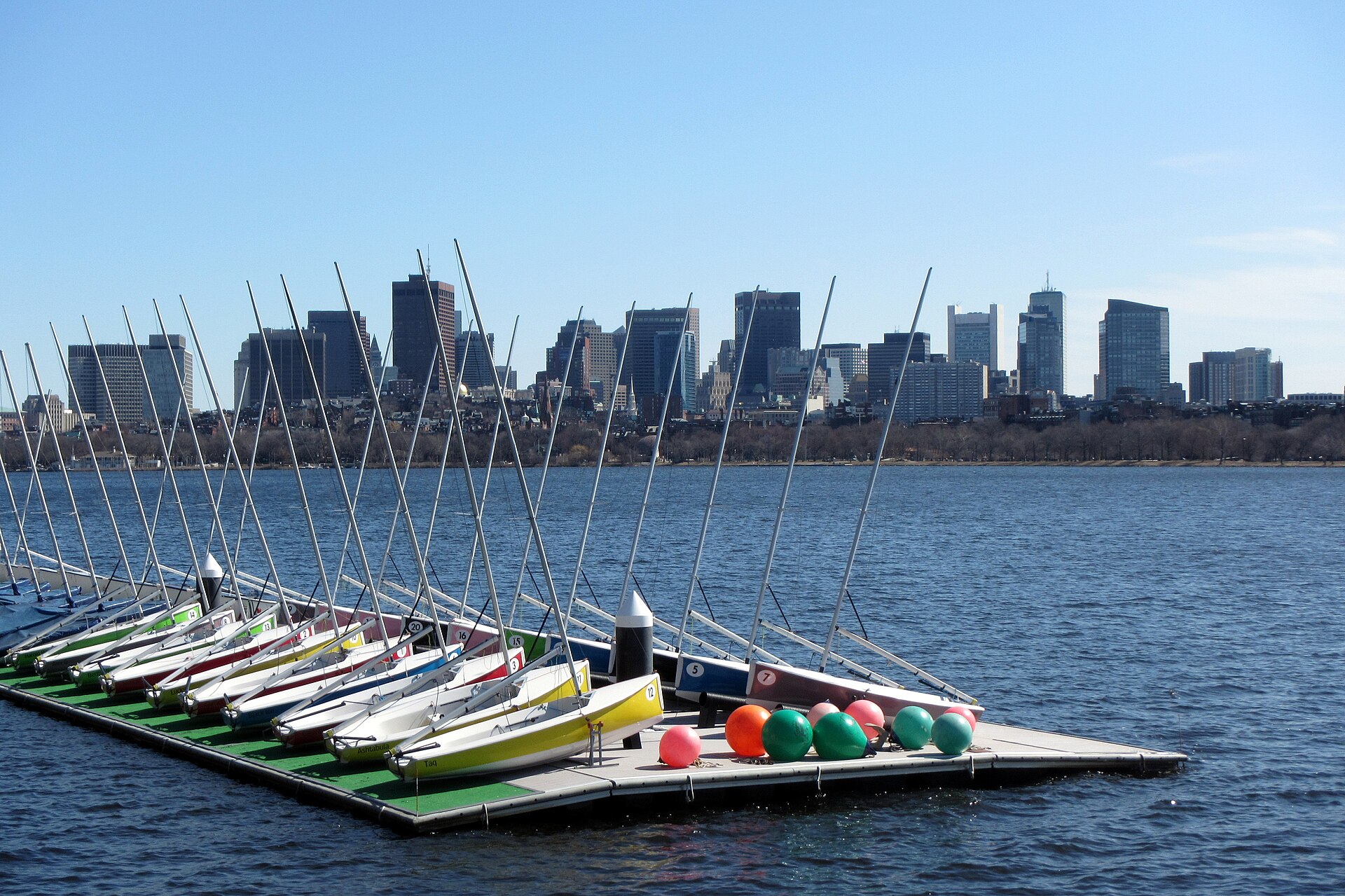
Boston’s cultural rhythm shifted this weekend as the Charles River Esplanade hosted its largest post-holiday gathering, signaling a departure from the traditional rigid programming of past decades. While thousands converged on the Hatch Memorial Shell for public performances, the focus of the city’s artistic output has steadily migrated from the institutional stages of the Back Bay toward more intimate, neighborhood-led initiatives in Roxbury and East Boston.
From Civic Formalism to Grassroots Networks
For much of the 20th century, Boston’s cultural identity was defined by the centralized prestige of the Museum of Fine Arts and Symphony Hall. However, the current iteration of the city’s creative scene relies on a decentralized model. According to the 2025 City of Boston Cultural Vitality Report, neighborhood-based arts organizations now account for 42 percent of all publicly permitted weekend events, a sharp increase from the 18 percent recorded in 2010. This shift marks a deliberate movement toward hyper-local programming that prioritizes community engagement over the historic, high-barrier-to-entry venues that dominated the city’s social calendar for generations.
This weekend’s activity includes a heavy rotation of installations at the Boston Center for the Arts in the South End and the ongoing outdoor series at the ICA Watershed in East Boston. These venues illustrate the city’s transition from static, silent display spaces to active, collaborative hubs. The integration of public transit corridors, specifically the recent upgrades to the MBTA Blue Line, has physically connected these distant creative pockets, allowing for an audience demographic that moves fluidly between neighborhoods rather than remaining siloed within historic districts.
Economic Impacts and Current Access
The financial barrier to entry has also seen a significant restructuring. Public records from the Boston Mayor’s Office of Arts and Culture indicate that 65 percent of programming occurring between July 4th and July 6th is free to the general public, bolstered by a 15 percent increase in municipal grants allocated to small-scale community festivals since 2022. While average ticket prices for major commercial events in the Seaport District hover around $85 per person, the proliferation of sidewalk festivals on Newbury Street and jazz performances at community gardens provides a distinct counterweight to the city’s high cost of living.
For those looking to navigate the weekend, the most robust activity is centered around the intersection of Washington and Dudley streets in Roxbury, where local organizers have scheduled a multi-stage showcase beginning at 10:00 a.m. Saturday. Attendees are advised to utilize the city’s Bluebike sharing program, as road closures along the Charles River are expected to remain in effect through Sunday evening. Those seeking to understand the historical context of these spaces can review the digital archives available via the Boston Public Library, which tracks the evolution of these neighborhood centers from mid-century community hubs to their current status as cornerstones of the city’s cultural economy.