culture
A Reimagined Esplanade: The History and Evolution of This Local Scene
Boston marks its 250th year by bridging the gap between colonial tradition and the modern outdoor performance culture defining the Charles River banks.
Listen in English · 3 min
How we reported this
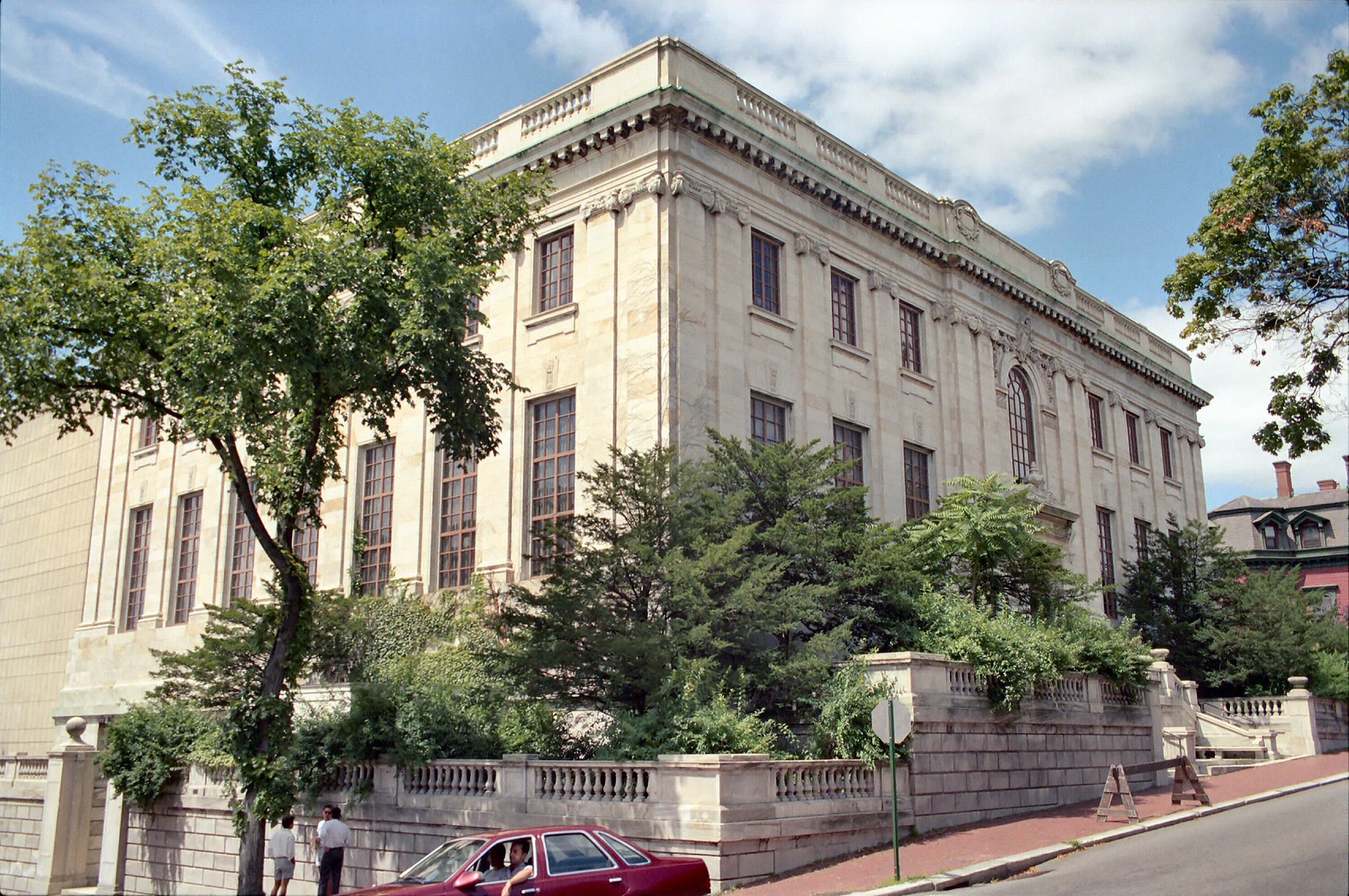
Thousands of residents reclaimed the Charles River Esplanade this morning, shifting from the rain-drenched fervor of yesterday’s 250th birthday celebrations to the quieter, more rhythmic pace of the weekend arts circuit. While the heavy humidity lingers, the focus has pivoted to the Hatch Memorial Shell, where the Boston Landmarks Orchestra prepares for its season-opening program. This transition marks more than just a calendar turn; it highlights a decade-long shift in how the city utilizes its public waterfront to balance historic preservation with contemporary community accessibility.
From Oratory to Open-Air Access
The Hatch Shell, dedicated in 1940, has long served as the acoustic heart of the city’s summer programming. For much of the 20th century, the venue was defined by traditional orchestral performances and static civic events. However, data from the Massachusetts Department of Conservation and Recreation shows a marked change in land-use patterns, with recent permit filings indicating a 35% increase in non-classical, grassroots cultural programming over the last five years. Organizations like the Esplanade Association have played a direct role in this evolution, moving away from rigid, ticketed events toward the sprawling, decentralized lawn culture seen along Storrow Drive and near the Fiedler Footbridge.
The Economics of the Waterfront
This weekend’s programming also highlights the financial shift in public entertainment. According to city budget records updated in June 2026, the municipal investment in the "Boston Summer Nights" program has reached $4.2 million, a record high intended to subsidize free access for families navigating the post-holiday recovery. The economic reality is stark: while event costs for vendors in the Back Bay have climbed by roughly 12% since 2024, the city’s policy remains focused on keeping entry-level events entirely free to the public, a strategy aimed at maintaining the diverse demographics that define the neighborhoods from Beacon Hill to the South End.
Visitors looking to take advantage of the current schedule should head toward the Longfellow Bridge area before 4:00 p.m. today, as space on the Great Lawn fills rapidly once the afternoon breeze kicks in. Those relying on the MBTA Red Line should anticipate platform congestion at Charles/MGH Station, particularly during the sunset hours. As the city settles into the remainder of July, the programming will shift focus to the Harborwalk segments in the Seaport, continuing a long-standing tradition of reclaiming urban edges for the public good.