A Guide to Boston's North End: The Cost, Access, and Everything You Need to Know Before Going
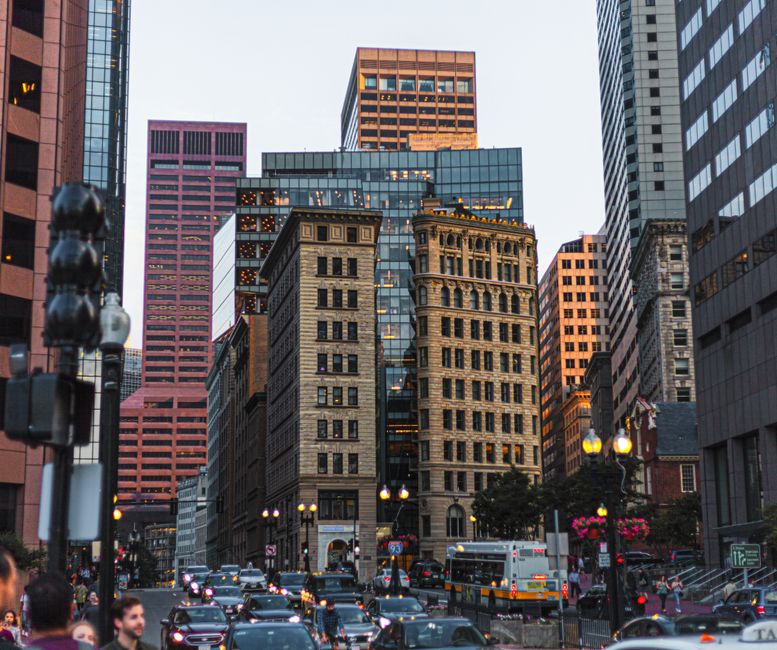
Navigating the historic, narrow streets of Boston’s Little Italy requires a plan to manage weekend crowds and parking limitations.
Navigating the historic, narrow streets of Boston’s Little Italy requires a plan to manage weekend crowds and parking limitations.
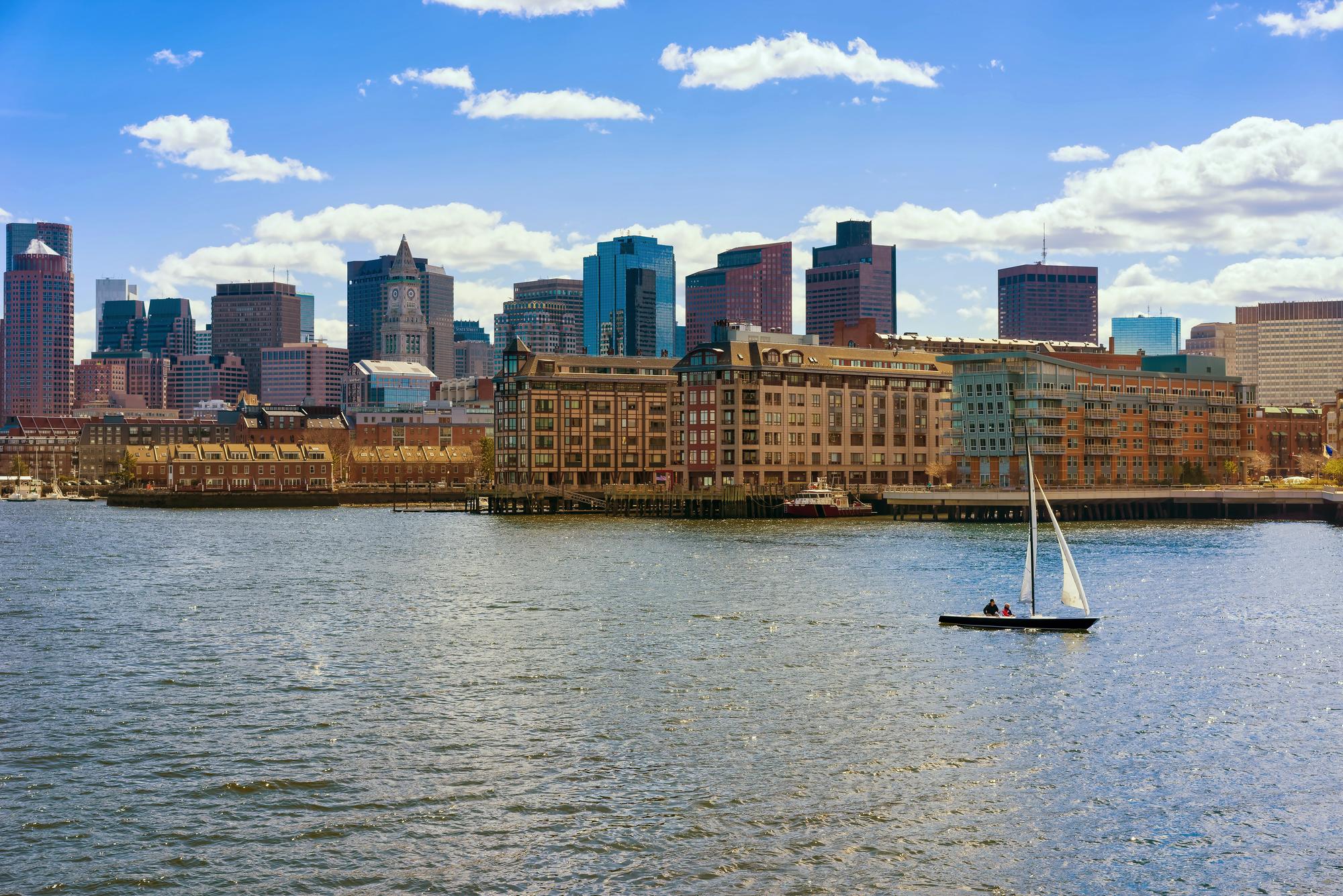
Visitors and locals alike continue to pack the narrow, cobblestone corridors of the North End, drawn by the dense concentration of Italian bakeries and restaurants. As the summer season hits its peak, navigating this historic neighborhood demands both patience and a strategy for managing limited infrastructure.
Getting into the neighborhood is best achieved by avoiding a private vehicle. Street parking is largely restricted to residents with designated city permits, a policy strictly enforced by the Boston Transportation Department. Visitors relying on ride-share services often find themselves dropped off at the perimeter of the district, specifically near the Rose Kennedy Greenway, as many of the interior streets like Hanover and Salem are designed for pedestrian flow rather than heavy vehicle traffic. Public transit remains the most efficient route, with the MBTA Green and Orange lines stopping at Haymarket station, just a short walk from the neighborhood’s primary thoroughfares.
The cost of dining and experiencing the North End has tracked with the broader inflationary trends seen across major American cities. While a casual walk through the Paul Revere House courtyard is free, premium dining experiences along Hanover Street often require reservations placed weeks in advance. Institutions such as Mike’s Pastry and Modern Pastry remain the primary indicators of the neighborhood's demand, with weekend queues frequently spilling onto the sidewalk. Prices for individual cannoli and signature pastries have risen steadily, reflecting increased overhead for ingredients and labor in the downtown core.
For those looking to explore the history of the area, the Freedom Trail remains the most prominent cultural program. The route runs directly through the North End, connecting sites like the Old North Church to the rest of the city’s colonial history. Visitors should note that while entry to the street-level portions of the trail is public, specific historic sites operate under their own ticketing and maintenance schedules, which are often subject to limited hours during the peak July heat.
Planning ahead for a visit should involve checking the official City of Boston event calendar for any street closures or local festivals, which can dramatically alter accessibility. On high-traffic weekends, arriving before the lunch rush is the most reliable way to secure seating at local establishments. For those who prioritize efficiency, choosing a weekday visit effectively cuts the wait time for popular eateries in half compared to the Friday and Saturday evening surges.
How does this story make you feel?
Spread the word
About this article
Published by The Daily Boston
Daily brief
Free, in your inbox before 7am. Weekdays.
More in lifestyle