lifestyle
A Pet Owner’s Guide to Boston Neighborhoods: Inside Look at Community Vibe and Character
Exploring how Boston’s unique neighborhoods cater to pets and their owners, shaping community life and lifestyle choices.
How we reported this
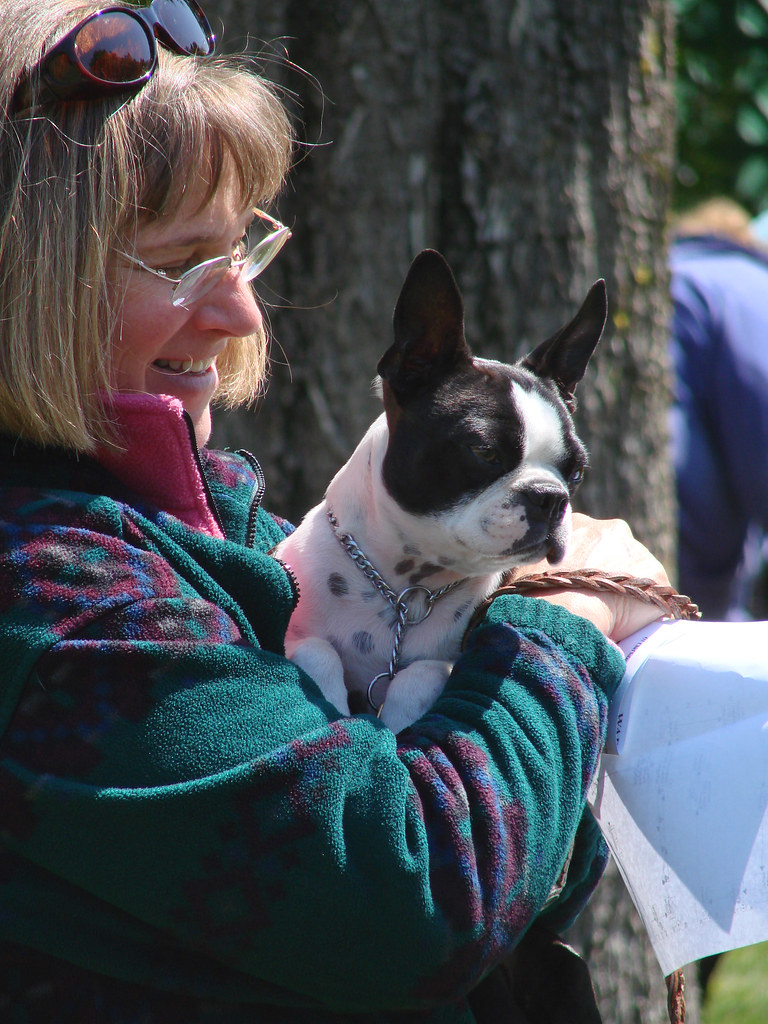
Boston’s neighborhoods are not just defined by their historical architecture or dining scenes, but increasingly by the way they embrace pets and their owners. From dog-friendly parks to community events, the character and vibe of areas like Jamaica Plain and the South End offer distinct experiences for pet owners looking to integrate their furry friends into everyday life.
With pet ownership rising sharply in the city-Boston reported a 12% increase in registered dogs over the past three years-understanding neighborhood dynamics is more important than ever. Pet owners seek places that feel welcoming not only to themselves but also to their pets, influencing where families choose to live, shop, and socialize. This trend is reshaping community engagement, local business offerings, and outdoor amenities, especially as urban living continues to rebound post-pandemic.
Jamaica Plain: A Hub for Urbane Pet Lovers
A standout neighborhood for pet owners, Jamaica Plain (JP) is celebrated for its verdant spaces and pet-friendly businesses. The Arnold Arboretum, stretching over 281 acres, offers trails where dogs on leashes can roam, encouraging an active lifestyle for pets and people alike. Nearby, the JP Barkery & Bath provides grooming, treats, and social meetups, fostering a tight-knit pet community. Residents also praise the weekly South Street Dog Park, where off-leash hours draw dozens of dogs and their owners, creating a social atmosphere that defines the JP vibe.
Additionally, the Jamaica Plain Neighborhood Development Corporation (JPNDC) occasionally organizes community walks and pet adoption days, reinforcing bonds between pet owners and local nonprofit groups. The blend of green space and social programming makes JP a magnetic spot for pet families who value outdoorsy interactions and a collaborative neighborhood spirit.
The South End’s Chic, Pet-Friendly Urban Living
The South End offers a contrasting urban lifestyle, where historic brick buildings house trend-conscious residents and their pets. Pet owners here frequently flock to Peters Park, one of Boston’s few fenced, off-leash dog parks, located right on Albany Street. Nearby dog boutiques like Urban Tail provide upscale pet accessories, fitting with the neighborhood’s chic aesthetic. The South End also hosts the annual "Paws on Parade" event, a community celebration that draws hundreds of dogs and owners each September, reinforcing a culture of inclusion and pet appreciation.
Community space usage in the South End reveals the priorities of its residents: high-quality public amenities and vibrant social scenes. These spaces double as places for pet networking and owner camaraderie, making the neighborhood a hotspot for those who prioritize style without sacrificing their pets’ needs.
Boston’s commitment to enhancing pet owner experiences is evident in data from the city’s Department of Public Health showing that pet licensing increased from 36,000 in 2023 to nearly 40,300 by mid-2026. Moreover, annual spending on pet-related services in Boston has crossed $120 million, signaling a robust local economy tied to pet care and lifestyle. Average monthly pet care costs in Boston hover around $150, covering everything from grooming and boarding to vet visits and premium food, underscoring the significant investment urban owners make in their pets.
For pet owners deciding where to settle in Boston or those seeking better integration with their pets’ lifestyles, the next steps involve exploring local resources and engaging with neighborhood communities. Joining resident groups on social media, participating in pet-friendly events, and utilizing city programs like the Boston Animal Care and Control’s free training sessions can deepen connections and improve the pet-owning experience. As Boston continues to evolve, its neighborhoods remain at the heart of a growing movement to consider pets as essential members of the urban fabric.