lifestyle
The People and Stories Growing Boston’s Home and Garden Scene
Meet the neighbors, crafters, and community groups shaping green and cozy spaces across the city.
Listen in English · 4 min
How we reported this
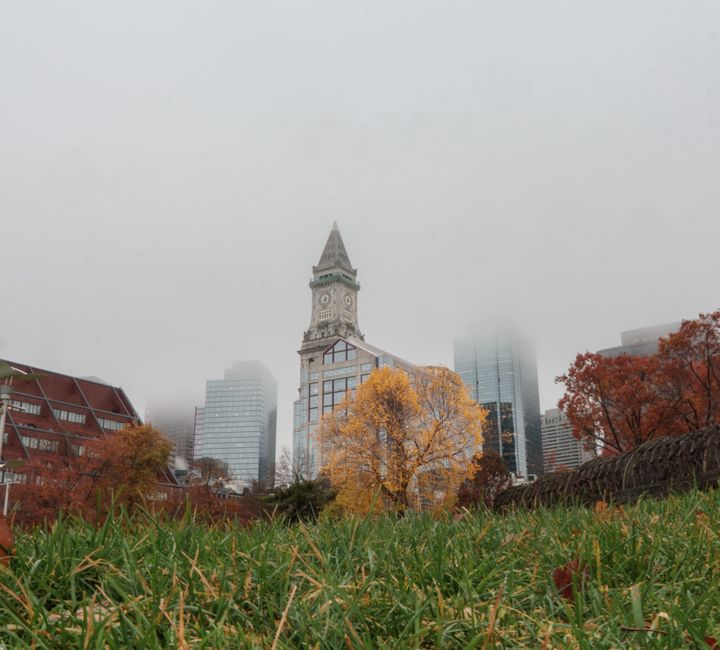
On a recent Saturday morning in Dorchester's Franklin Park, a local gardener tends to her plot in the community garden, swapping tips with neighbors on organic composting. Just a few miles away, in Jamaica Plain's historic Arboretum, an educator leads a group of children through a hands-on workshop on native plants. These faces are the heart of Boston's evolving home and garden culture.
Why Boston's Green Spaces Matter More Than Ever
As urban living continues to rise, Boston residents are turning to gardens, balconies, and community spaces to create calm, green sanctuaries. Climate change concerns and a city-wide push for sustainability have made personal and shared green spaces a priority. Access to green spaces is linked to reduced stress and improved mental health among city residents, and local initiatives are responding.
Boston's relatively compact neighborhoods offer fertile ground for community gardening despite the high urban density. Programs like the Boston Natural Areas Network's community garden plots and Boston Parks and Recreation's Greenovate Boston plan provide residents not only green spaces but a network of support to deepen their connection with the environment and each other.
Local Faces, Influential Places in Boston's Garden Scene
The Fenway Victory Gardens on Park Drive, famously the oldest continuously operating WWII victory gardens in the U.S., remain a landmark for community-led green spaces in the city. This summer, demand has surged with many applicants vying for limited plots, demonstrating renewed interest in homegrown produce and neighborhood socializing. Meanwhile, Boston's Urban Garden Center on Hyde Park Avenue offers workshops and resources, fostering both beginners and seasoned green thumbs to succeed in city gardening.
These places are more than just green patches; they're meeting points. From artist-in-residence showcases to seasonal harvest celebrations, they cultivate stories that go beyond the soil-stories of resilience, adaptation, and neighborliness. Boston's Beacon Hill residents even organize monthly garden walks, highlighting private and community gardens, revealing how horticulture binds different communities across the city.
Data and Details Rooting the Trend
Community garden plots are typically affordable, making gardening accessible given that rents in Boston are high, pushing many residents to seek cost-effective ways to supplement nutrition and hobbies.
Furthermore, many community gardens and urban farms within city limits distribute produce annually to local food pantries and low-income families, signaling a movement toward local food sovereignty.
What's Growing Next: Tips and Opportunities
For Bostonians eager to dig in, the city's fall planting season starts in late summer, with community garden plot registrations typically opening in July and filling quickly. The Boston Natural Areas Network encourages newcomers to attend their free monthly orientation sessions at the Urban Garden Center, which also offers workshops on raised-bed construction and sustainable pest management.
Residents interested in creating their own green corners can also connect with the city's Greenovate Boston initiative, which assists with plant selection tailored to Boston's climate and soil conditions. And for those who can't secure a garden plot, micro-gardening on balconies or window sills remains a popular, space-saving alternative.
Across neighborhoods-from the historic gardens of Beacon Hill to the revitalized green spaces of East Boston-the stories and faces that tend Boston's gardens are reminders that community blossoms wherever we choose to plant roots.