Boston's Blueprint: How This City Stacks Up Against ...
As cities worldwide grapple with rapid demographic shifts, Boston's approach to housing, services, and community cohesion offers lessons—and cautionary tales.
As cities worldwide grapple with rapid demographic shifts, Boston's approach to housing, services, and community cohesion offers lessons—and cautionary tales.
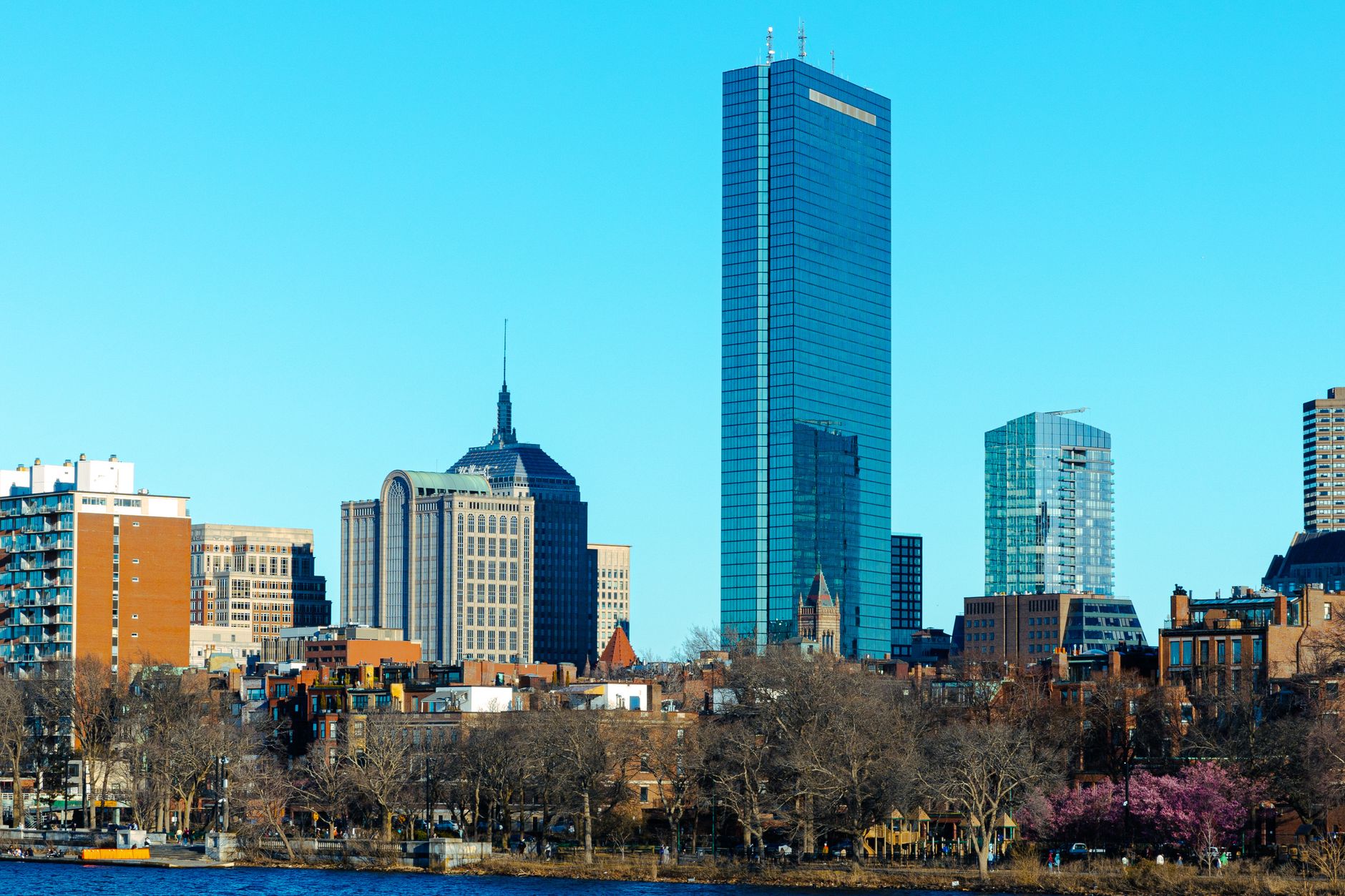
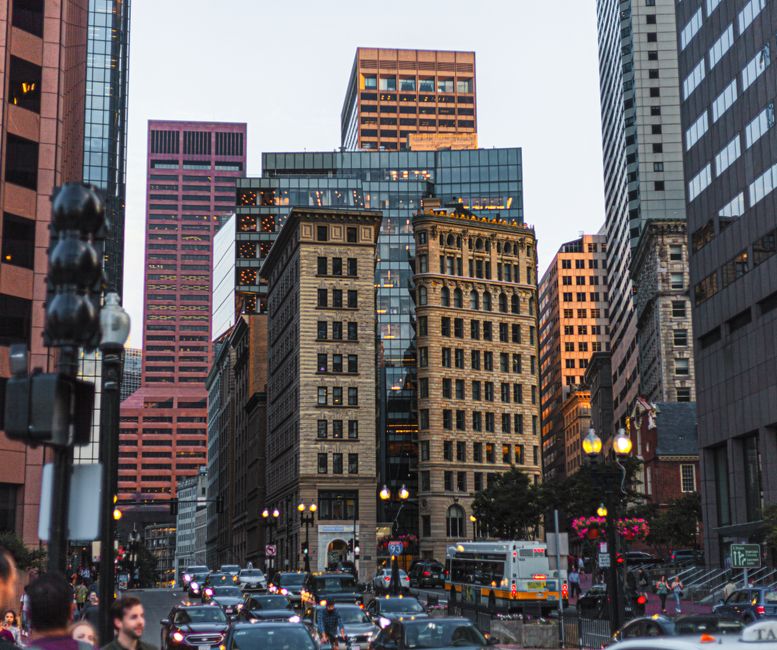
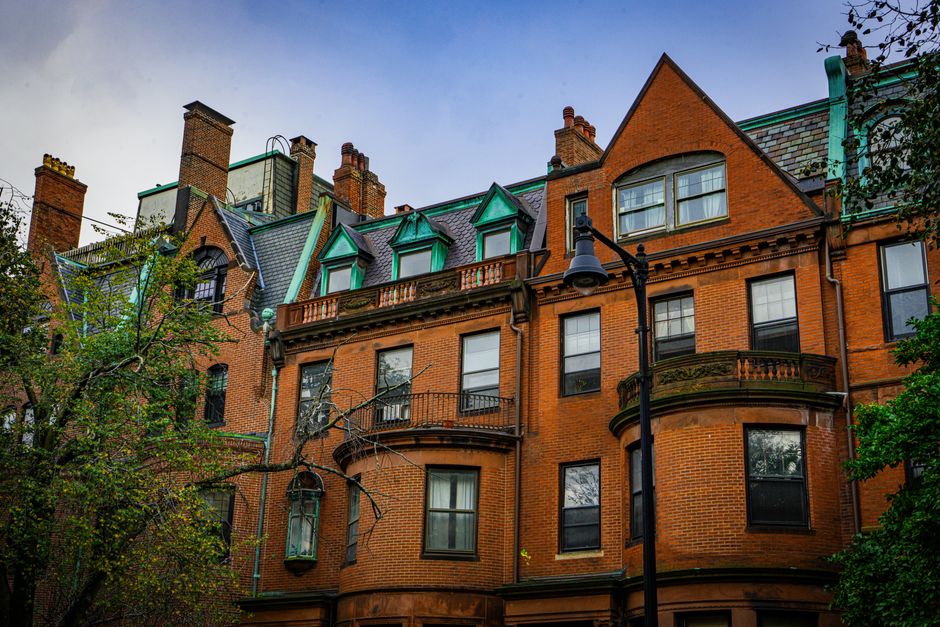
Walk through Jamaica Plain or East Boston on any given afternoon, and you'll witness the texture of modern urban migration: conversations in Mandarin and Spanish, shop signs reflecting waves of Armenian and Vietnamese arrivals, the steady hum of a city perpetually remaking itself. But behind this visible diversity lies a critical question that Boston shares with Toronto, Berlin, and Singapore: Can a city genuinely integrate newcomers while preserving affordability and social stability?
Boston's foreign-born population has climbed to roughly 28 percent, a figure comparable to Toronto's 46 percent but significantly higher than Berlin's 21 percent. Yet unlike those peer cities, Boston faces acute housing constraints. The median rent in Jamaica Plain—historically a gateway neighbourhood for immigrants—has surged to $2,100 for a one-bedroom, according to recent data, pricing out the very populations cities traditionally welcomed. Toronto and Berlin, by contrast, have maintained stronger rent control frameworks, though both cities report growing affordability crises of their own.
What distinguishes Boston's approach is its institutional focus. Organizations like the International Institute of New England, headquartered on Hanover Street in the North End, process roughly 3,000 refugees and immigrants annually through job training and English instruction. This contrasts with Frankfurt, where similar services remain fragmented across municipal departments. Yet advocates argue Boston's patchwork funding model leaves gaps: only about 40 percent of eligible migrants access adult education programs, compared to 65 percent in Canada's settlement programs.
The city's public schools tell another story. Boston Public Schools educates students in 65 languages, a complexity that demands resources. Allston and Roxbury schools have pioneered two-way bilingual programs, mirroring approaches in Barcelona and Madrid. Yet chronic underfunding means many classrooms lack adequate translation services—a deficiency less pronounced in well-resourced European school systems.
Culturally, Boston's multicultural fabric appears robust. The Annual Immigrant Achievement Awards, hosted by the Mayor's Office, celebrate newcomer entrepreneurs and professionals. Community centers like La Colaborativa in East Boston offer childcare, health services, and civic engagement programs that resemble successful integration hubs in Amsterdam. Neighbourhood street festivals—from the May Dragon Boat Festival on the Charles to Salsa Fest in Roxbury—mirror Toronto's approach to celebrating diversity as civic identity.
The harder question remains: Can Boston sustain this without pricing its communities out? Cities like Vienna have tackled this through aggressive affordable housing quotas in new developments. Boston's modest inclusionary zoning requirements—typically 13 percent affordable units—lag peer cities considerably. As migration pressures mount globally, Boston's success will depend less on welcoming newcomers than on ensuring they can afford to stay.
This article was compiled by AI and screened before publishing. See our editorial standards.
How does this story make you feel?
Spread the word
About this article
Published by The Daily Boston
Daily brief
Free, in your inbox before 7am. Weekdays.
More in News