When Your Home Is Listed Twice: How Duplicate Property Images Are Distorting Boston's Housing Market
Phantom listings built on recycled photos are muddying an already brutal search for housing in neighborhoods from Dorchester to Jamaica Plain.
Phantom listings built on recycled photos are muddying an already brutal search for housing in neighborhoods from Dorchester to Jamaica Plain.
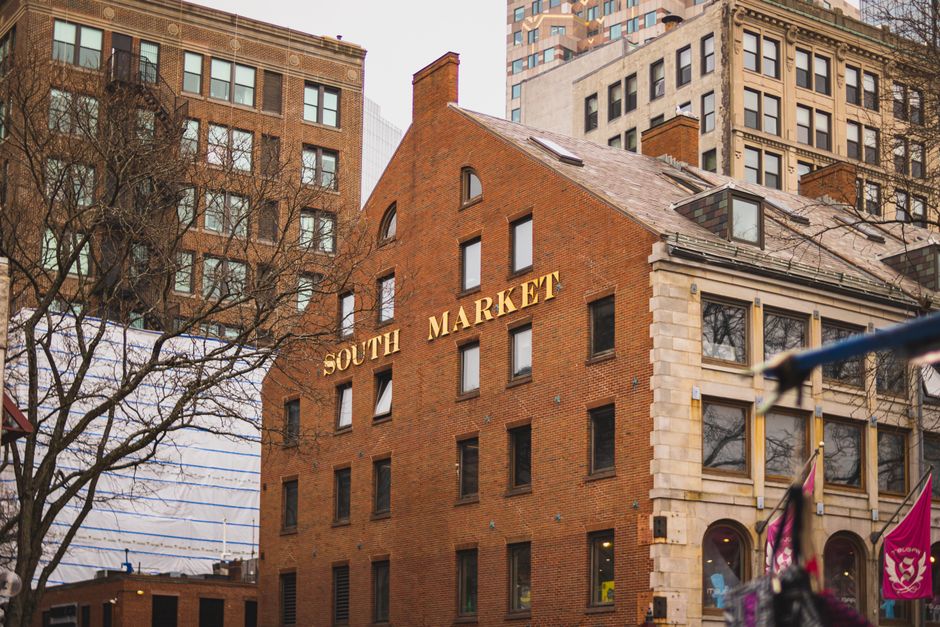
Boston renters and buyers scrolling through apartment listings this summer are increasingly running into the same problem: a unit on Bowdoin Street in Dorchester appearing under two different addresses, with the same bathroom tile and the same cracked window frame in every shot. Duplicate images — photographs copied and reused across multiple property listings — have become a low-grade but persistent irritant in one of the country's most expensive housing markets, and tenant advocates say the problem is getting worse.
The timing matters. Mayor Michelle Wu's administration has pushed hard to expand housing production, particularly in Jamaica Plain and Dorchester, where new multifamily permitting has accelerated under the city's updated zoning rules. That surge in supply has flooded rental platforms with new listings, creating more cover for landlords and brokers who recycle photos from previous tenants or entirely different properties to fill vacancies faster. When the same image appears under two addresses, prospective renters waste time, miss legitimate opportunities, and in some cases hand over application fees for units that don't look anything like what was advertised.
The mechanics are straightforward. A landlord photographs a unit in South End, rents it, then reuses those same images the following year — sometimes for a different unit in the same building, sometimes for a property two miles away in Roxbury. Listing platforms that rely on automated ingestion from property management software rarely catch the duplication before it goes live. The result is a kind of visual misinformation that distorts what renters think they're getting.
The Massachusetts Attorney General's office has jurisdiction over deceptive advertising practices under state consumer protection law, Chapter 93A, though enforcement actions specifically targeting duplicate listing images in residential real estate have been limited. The Boston Tenant Coalition, which operates out of an office near Dudley Square in Roxbury, has fielded complaints from renters who arrived at showings to find units smaller, darker, or in visibly worse condition than the photos suggested. The coalition has flagged the issue to the city's Inspectional Services Department, which enforces housing code but has no dedicated mandate to audit listing photography.
Boston's rental market leaves almost no margin for error. Median asking rent for a one-bedroom apartment in the city crossed $2,800 a month in early 2026, according to figures tracked by the Boston Planning & Development Agency. Application fees, which landlords in Massachusetts may charge, run $25 to $75 per application at most properties. Renters who apply based on misleading photos and then withdraw after an in-person visit lose that money with no recourse. For someone earning the city's median household income — roughly $76,000 a year, per U.S. Census Bureau estimates — multiple wasted application fees add up quickly during a search that can stretch six to eight weeks in a tight market.
Tenant advocates recommend a few practical steps. Running any listing photo through a reverse image search — Google Images and TinEye both allow this at no cost — can reveal whether the same photograph appears under a different address or in a listing from a prior year. The state's rental listing platform operator obligations under Chapter 93A require that advertising be accurate, and renters who can document a material discrepancy between listed photos and actual conditions have standing to file a complaint with the AG's consumer protection hotline at 617-727-8400.
The MBTA's service expansion along the Orange Line into Jamaica Plain has made neighborhoods like Forest Hills and Green Street more accessible, pushing renter demand — and listing volume — higher in those corridors. That makes image-verification habits more important, not less, for anyone apartment hunting south of downtown.
The BPDA is expected to release an updated housing production report this fall covering 2025 permitting data. Tenant advocates plan to use that report to press for a formal disclosure standard requiring landlords to confirm that listing photographs accurately represent the current unit — not a renovated version, not a model unit, and not a property at a different address. Whether that proposal gains traction in a city council already juggling zoning reform and transit funding debates is an open question, but the frustration driving it is real, and it is growing.
How does this story make you feel?
Spread the word
About this article
Published by The Daily Boston
Daily brief
Free, in your inbox before 7am. Weekdays.
More in News