'My Face Was Replaced by a Stranger': Boston Residents Speak Out on Duplicate Image Problem
From Dorchester housing applications to Jamaica Plain community programs, residents say wrongly substituted photos are causing real harm to real people.
From Dorchester housing applications to Jamaica Plain community programs, residents say wrongly substituted photos are causing real harm to real people.
A growing number of Boston residents say they have been misidentified, denied services, or had their identities confused after administrative systems and online databases replaced their profile photos with duplicates belonging to someone else entirely. The problem, which community advocates have tracked across multiple city-linked platforms since at least early 2025, has hit hardest in neighborhoods with large immigrant and working-class populations.
The issue matters now because city agencies and nonprofit service providers have accelerated the rollout of digital intake systems over the past 18 months, partly to streamline access to housing vouchers and health services under Mayor Michelle Wu's Connect Boston initiative. When image data migrates between legacy databases and newer platforms, duplicate images — the same photo assigned to two different accounts — can propagate silently, with no automatic alert to the person affected.
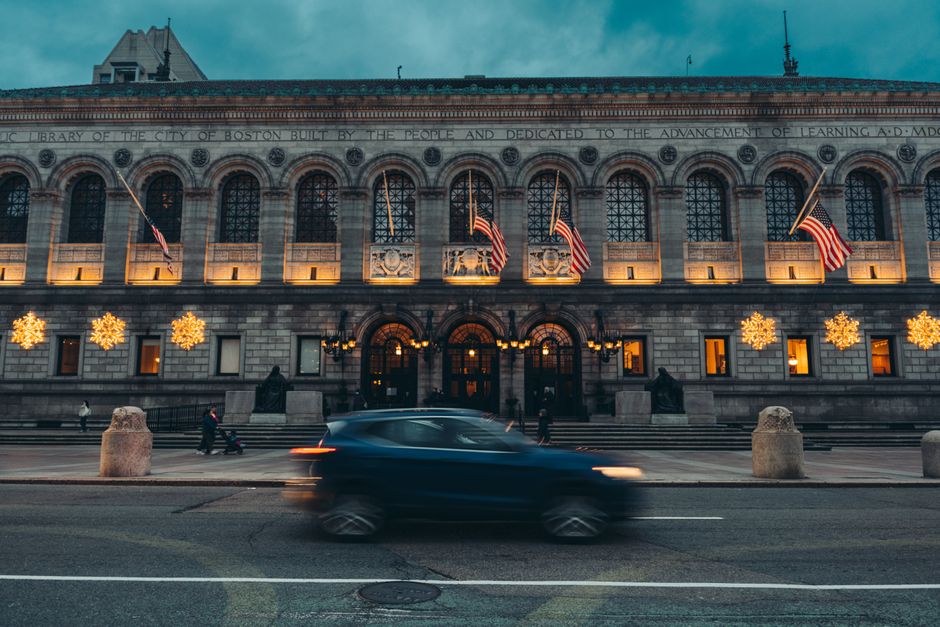
At the Dudley Square branch of the Boston Public Library on Washington Street in Roxbury, library staff say patrons using the city's digital access kiosks have encountered mismatched account photos, though staff are not authorized to speak on the record about specific system failures. At Nuestra Comunidad Development Corporation on Dudley Street in Dorchester, case managers who work with residents applying for subsidized housing units say image errors have slowed verification for at least a handful of applicants this spring. The organization, which has worked in Dorchester for more than three decades, directs affected residents to the Mayor's Office of Housing to request manual identity review.
In Jamaica Plain, the Hyde Square Task Force, which runs youth and family programming along Centre Street, flagged the issue internally after participants in a spring 2026 enrollment drive found their profile photos had been replaced by images of unrelated individuals. The Task Force confirmed it has been working with its database vendor to audit records, though it has not issued a public statement on the scope of the problem.
Community members describe the experience as disorienting and, in some cases, frightening. One Dorchester resident, a Haitian-born woman in her 40s who asked not to be identified by name, said she discovered her city services account displayed a photo of a woman she had never met. She learned about it only when a worker at a WIC office on Blue Hill Avenue flagged the discrepancy during an appointment in March 2026. She spent three subsequent visits trying to correct the record before her original photo was restored.
Digital identity specialists say the duplicate image problem typically originates at the point of database migration. When records are moved from one system to another, image files are sometimes indexed by file size or creation timestamp rather than by a unique user identifier. If two image files share identical metadata — which can happen when photos are taken on the same device model or processed through the same resizing software — they can be assigned to the wrong account. The error then persists unless someone manually audits the record.
For residents tied to income-qualified programs, the stakes are concrete. A housing voucher application flagged for identity inconsistency can be paused for 30 days or more under standard review protocols used by the Boston Housing Authority, which administers more than 10,000 units of public and assisted housing across the city. A 30-day delay in a housing queue that already stretches years is not a minor inconvenience.
The city's Office of Digital Innovation, established in 2023, has authority over data standards for city-run platforms but does not directly govern third-party nonprofit systems that receive city funding. That jurisdictional gap is where many of the reported cases are falling.
Residents who believe they have been affected should contact the Mayor's constituent services line at 617-635-4500 and request an identity record audit in writing — email creates a timestamp. Community Legal Aid, based on Main Street in Worcester but with staff serving Suffolk County, offers free consultations for residents who have faced housing or benefit delays tied to identity discrepancies. The Boston Digital Equity Fund, a city-backed grant program, is accepting applications through August 15, 2026 from nonprofits seeking funds to upgrade data management systems — a resource advocates say could help organizations like the Hyde Square Task Force prevent future errors before the next enrollment cycle.
How does this story make you feel?
Spread the word
About this article
Published by The Daily Boston
Daily brief
Free, in your inbox before 7am. Weekdays.
More in News