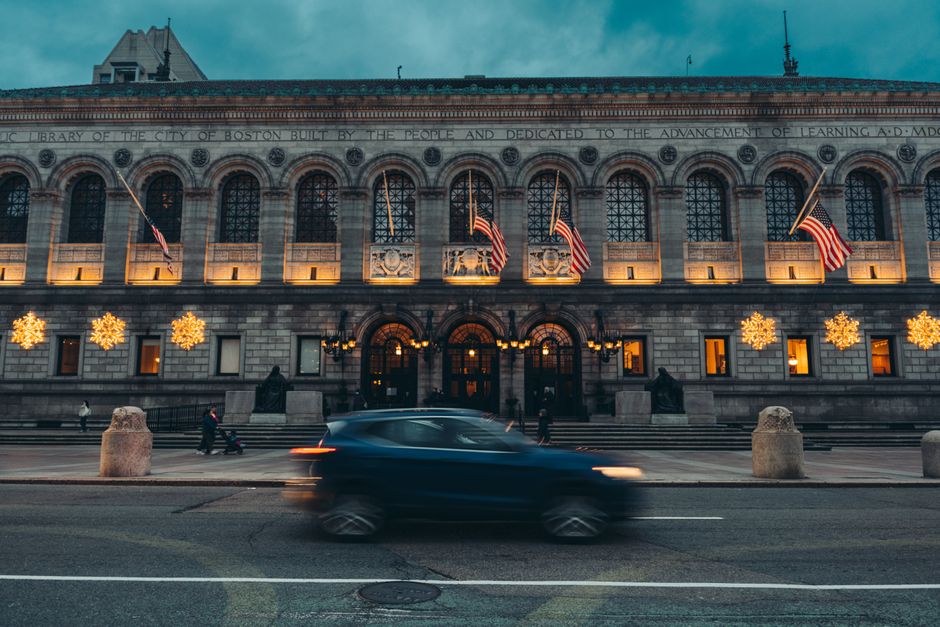
A two-bedroom listed on Craigslist shows gleaming hardwood floors and a renovated kitchen. The same two photos appear, pixel for pixel, on a separate Zillow listing three blocks away — for a different address, a higher rent, and a unit that turned out to have neither the floors nor the kitchen. This kind of duplicate image problem, long dismissed as a minor inconvenience, is drawing new scrutiny from housing advocates in Boston as the city's rental vacancy rate sits near historic lows and apartment seekers have almost no margin for error.
The timing matters. Mayor Michelle Wu's administration has made housing production a central plank of its second term, with active development pushes in Jamaica Plain and Dorchester aimed at adding thousands of units to the city's stock. But advocates argue that new supply means little if the information environment surrounding those units is unreliable. When prospective tenants — many of them students, recent immigrants, or working families — make decisions based on photographs that belong to a different apartment, or were taken years before a property deteriorated, the consequences are financial and immediate.
What Duplicate Listing Photos Actually Do to Renters
The mechanics are straightforward. A landlord or property management company uploads a set of photos to one listing platform. Those images get scraped, reused, or simply copy-pasted onto listings for other units — sometimes by the same landlord managing multiple properties, sometimes by third-party aggregator sites pulling data automatically. The result is that a renter touring an apartment on Blue Hill Avenue in Dorchester may have made their decision based on photos taken in a Roslindale triple-decker four years ago.
The Boston Tenant Coalition, which operates out of offices in Roxbury and provides counseling to renters across Suffolk County, has flagged the issue in its case intake reports. Staff there describe clients who signed leases — and paid first, last, and security deposits averaging around $6,000 in the current market — based on listing photos that did not match the unit they ultimately moved into. Once a lease is signed and a deposit is paid, clawing that money back is legally difficult and practically time-consuming.
The median asking rent for a two-bedroom apartment in Boston crossed $3,400 a month earlier this year, according to data tracked by the Boston Planning and Development Agency. At that price point, applicants are often competing with dozens of others for the same unit, making it nearly impossible to schedule multiple in-person visits or take extra time to verify listing accuracy before someone else snaps the apartment up.
What Renters and Advocates Say Should Change
The City of Boston does not currently have a formal ordinance requiring that rental listing photographs be verified, timestamped, or unit-specific. Some cities have moved toward mandatory disclosure standards for online listings, but Boston's Inspectional Services Department, which handles housing code enforcement, does not have jurisdiction over listing content unless an actual housing code violation is documented at the physical address.
Advocacy organizations including City Life/Vida Urbana, based in Jamaica Plain on Centre Street, have begun pushing for a broader digital accuracy standard as part of upcoming conversations around the city's Fair Housing Action Plan. The argument is practical: if a landlord must certify that an apartment meets habitability standards to list it legally, requiring that listing photos accurately depict the specific unit is a logical extension of that obligation.
For renters navigating this summer's market — traditionally the most competitive stretch of Boston's rental calendar, peaking in August when tens of thousands of university students trigger turnover across Allston, Brighton, and the Fenway — the immediate advice from housing counselors is consistent. Demand an in-person showing before signing anything. Use Google Street View to confirm exterior photos match the address. Ask landlords directly whether images were taken inside the specific unit being advertised, not a comparable unit in the same building. And photograph every room at move-in, dated and timestamped, to establish a baseline record if disputes arise later.
The Wu administration is expected to release an updated housing policy framework before the end of the summer. Whether digital listing standards make it into that document will depend largely on how loudly tenant advocates press the issue between now and then.