How Boston's Public Records Ended Up Full of Duplicate Images — and What's Being Done About It
A years-long backlog of redundant digital files in city archives has forced a reckoning with how Boston manages its own institutional memory.
A years-long backlog of redundant digital files in city archives has forced a reckoning with how Boston manages its own institutional memory.
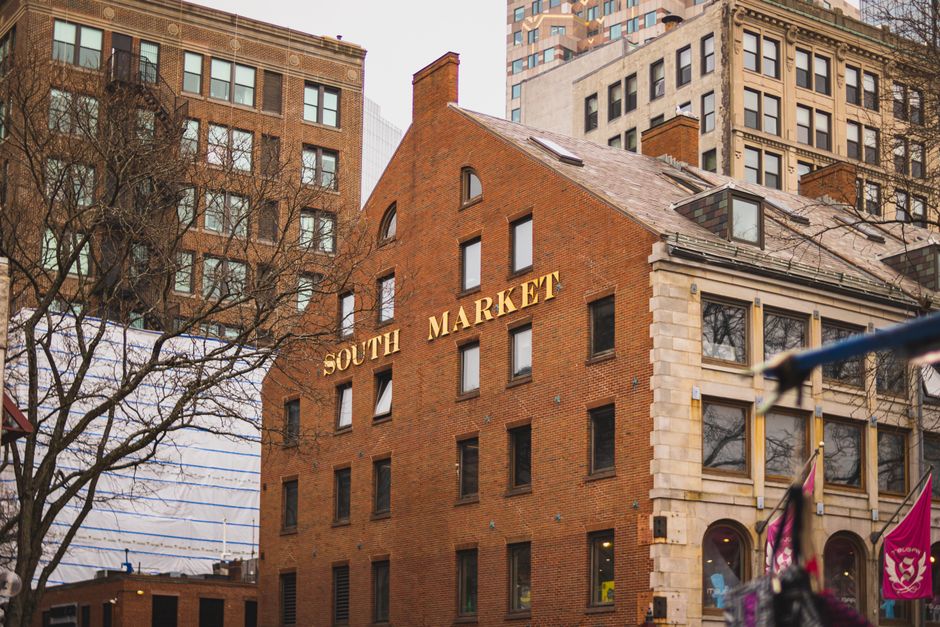
Boston city departments are sitting on thousands of duplicate digital images scattered across at least a dozen agencies, the result of a decade-plus of mismatched archiving systems, rushed digitization projects, and no single citywide standard for how scanned records get filed. The problem, which has quietly frustrated city archivists and open-records advocates alike, is now being formally addressed as part of a broader digital records overhaul tied to Mayor Michelle Wu's government efficiency agenda.
The issue matters now because the city is deep into a push to make public records accessible online — particularly property records in fast-changing neighborhoods like Jamaica Plain and Dorchester, where housing development disputes have generated heavy document requests. When the same image of a building permit or zoning map appears under three different file names in three different folders, it slows down both city staff processing requests and residents trying to track development on their own street.
The roots of the duplication problem stretch back to at least 2012, when the City of Boston began accelerating its shift from paper to digital filing under a series of records modernization grants. The Inspectional Services Department on City Hall Plaza and the Boston Planning & Development Agency, then still called the BRA, each ran separate digitization efforts with separate contractors and separate naming conventions. Files scanned at one office were not reconciled against files scanned at the other. By the time the city consolidated some of those efforts around 2018, the redundant files had already multiplied across shared network drives.
The BPDA's project files for neighborhoods like Roxbury and South Boston Waterfront are among the most heavily duplicated, according to city IT staff who have discussed the issue in public budget hearings before the Boston City Council. The council's Committee on Government Operations held a session on digital records management in March 2026, at which city officials described the scope of the backlog without providing a precise count of duplicated files.
Open records advocates, including the staff at the New England First Amendment Coalition, have flagged the duplication issue as a practical barrier to public access. When a resident files a public records request through the city's online portal — the same portal that handles roughly 18,000 requests per year, according to figures the city has cited in budget documents — duplicate files can cause delays while staff verify which version is the authoritative copy.
The Wu administration's Office of Digital Transformation, working alongside the Boston Archives division housed at 201 Rivermoor Street in West Roxbury, began piloting a deduplication protocol in late 2025. The pilot focused initially on property assessment records in Dorchester, one of the city's largest neighborhoods by land area and among the most active for housing permit activity. The protocol uses hash-matching software to flag identical image files regardless of their file name, then routes flagged duplicates to a human reviewer before deletion.
The project is part of a broader $4.2 million technology investment the city allocated in fiscal year 2026 for records infrastructure — a figure drawn from the city's approved annual budget. Getting the deduplication work done across all departments is expected to take through at least the end of fiscal year 2027.
For residents and attorneys who regularly pull city records — particularly those working on zoning appeals along corridors like Washington Street in Jamaica Plain or Blue Hill Avenue in Mattapan — the practical upshot is a records portal that should eventually return cleaner, faster search results. City staff have indicated that departments will begin publishing updated guidance on their individual records pages as each agency completes its deduplication review. Anyone with a pending public records request who believes their response was delayed or complicated by duplicate files can contact the city's Public Records Access Officer directly through the Boston.gov records portal.
How does this story make you feel?
Spread the word
About this article
Published by The Daily Boston
Daily brief
Free, in your inbox before 7am. Weekdays.
More in News