news
What Officials, Experts, and Key Figures Are Saying About Boston's Housing Crisis
As the city grapples with rising housing costs and limited affordability, local leaders weigh in on potential solutions and challenges ahead
How we reported this
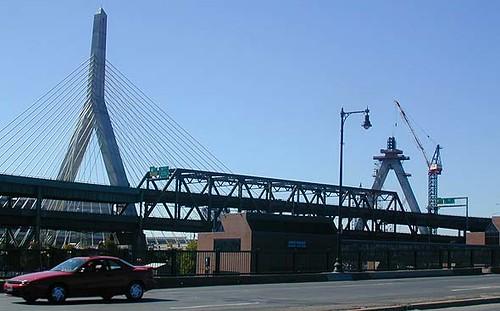
Boston's housing crisis has reached a boiling point, with the median home price exceeding $640,000 and rent for a one-bedroom apartment averaging over $2,800 per month.
This issue matters now more than ever, as the city's rapid growth and development continue to push long-time residents out of their neighborhoods. The biotech and university economies, while driving innovation and job creation, have also contributed to the surge in housing demand and costs. As a result, many are looking to city officials, experts, and key figures for guidance on how to address this complex problem.
In Boston's neighborhoods, such as Jamaica Plain and Dorchester, community organizations like the Jamaica Plain Neighborhood Development Corporation and the Dorchester Bay City initiative are working to promote affordable housing and community development. For example, the 106-unit apartment complex on Washington Street in Jamaica Plain, developed by the JPND Corporation, offers a mix of market-rate and affordable units, with 20% of the units reserved for low-income families. Similarly, the Dorchester Bay City initiative has committed to building over 1,000 new units of housing, with a focus on affordability and community engagement.
According to data from the Boston Planning and Development Agency, the city has seen a 25% increase in housing prices over the past two years, with the average sale price of a single-family home rising to $830,000. Furthermore, a report by the Metropolitan Area Planning Council found that over 60% of renters in Boston are cost-burdened, meaning they spend more than 30% of their income on housing. As of June 2026, the city's rental vacancy rate stood at 2.5%, indicating a highly competitive market.
Path Forward
So what's next for Boston's housing crisis? Officials and experts point to the need for a multi-faceted approach, incorporating both short-term solutions, such as rent control and subsidies, and long-term strategies, like increasing the overall housing supply and promoting inclusive zoning. The city's housing chief, Sheila Dillon, has emphasized the importance of community engagement and participation in the planning process, citing the need for a 'people-first' approach to development. As the city moves forward, it will be crucial to balance the needs of existing residents with the demands of a growing population and economy.
For those looking to navigate the complex Boston housing market, experts recommend exploring resources like the Boston Home Center, which offers homebuyer assistance and counseling, or the Metropolitan Boston Housing Partnership, which provides rental assistance and advocacy. Additionally, residents can stay informed about local development projects and policies through the Boston Planning and Development Agency's website, which offers regular updates and community meeting schedules. By staying engaged and informed, Bostonians can work together to build a more affordable, equitable, and sustainable housing landscape for all.