City agencies and community organizations across Boston are grappling with a surprisingly persistent problem: duplicate images embedded in public-facing digital documents and databases, a technical flaw that can slow permit approvals, confuse housing applications, and undermine trust in government records at a moment when residents are already frustrated with municipal responsiveness.
The issue has sharpened in 2026 as Mayor Michelle Wu's administration pushes an ambitious digitization drive through Boston's Citywide Digital Equity Initiative, accelerating the upload of planning documents, zoning files, and community benefit agreements onto public portals. When databases expand quickly, duplicate image files — the same photograph or scan appearing under two or more separate record entries — multiply with them, creating confusion that falls heaviest on residents with the least time to absorb it.
What This Looks Like on the Ground
In Jamaica Plain's Centre Street corridor, where the Boston Planning and Development Agency has posted dozens of filings related to new mixed-income housing proposals, neighbors attending community review meetings have flagged instances of the same site-plan photograph appearing under multiple parcel entries, making it difficult to tell which image belongs to which project. Similar problems have surfaced in Dorchester, where the Boston Inspectional Services Department maintains a publicly searchable permit archive covering addresses along Bowdoin Street and Dot Ave.
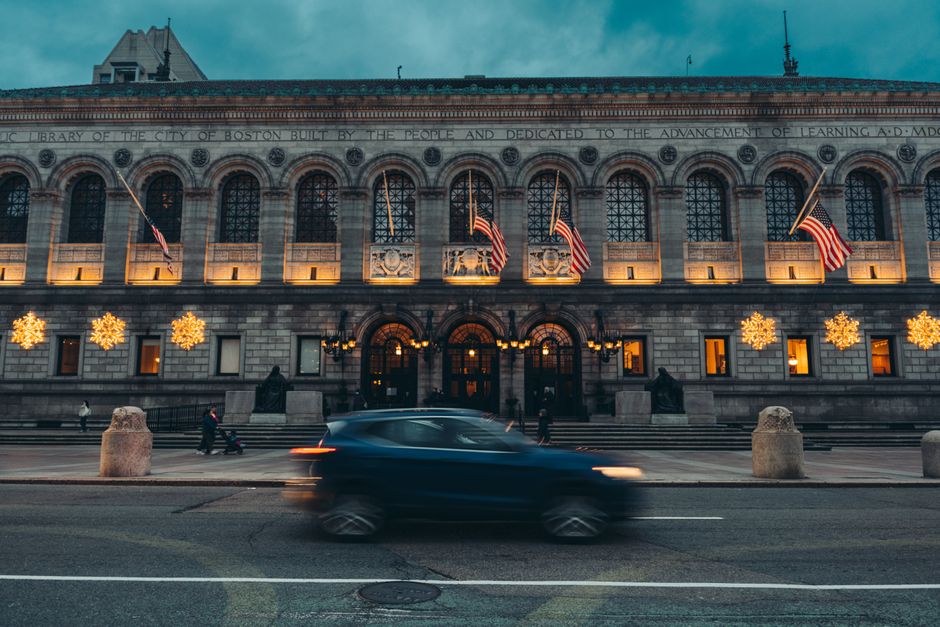
The Boston Public Library's Digital Repository Program, headquartered at the Central Library on Boylston Street in Copley Square, has confronted the same challenge in its own collections. Librarians there have been working since early 2025 to audit thousands of digitized historical photographs, some of which were scanned multiple times under different catalog entries during earlier migration projects. That deduplication effort alone covers more than 40,000 image files, according to documentation the library posted on its program page.
For ordinary residents, the practical consequences are not abstract. A duplicate image attached to the wrong parcel in an ISD record can cause an inspector to flag the wrong property, delaying a renovation permit by weeks. At the MBTA's ongoing capital project pages — where construction photos document progress at stations like Forest Hills and Ruggles — duplicate uploads have occasionally caused version-control errors, meaning contractors and community liaisons were referencing outdated site images without knowing it.
The Costs Add Up
Digital storage is cheap, but human time is not. A 2024 report from the national Center for Digital Government estimated that municipal staff across mid-size American cities spend an average of 11 percent of their document-processing time resolving errors introduced by duplicate or misfiled digital assets — a figure that translates, in a city the size of Boston with roughly 18,000 full-time employees, into a substantial labor drain even if only a fraction of those workers touch public records daily.
Boston's ISD processed more than 34,000 permit applications in fiscal year 2025, a record volume driven partly by the housing production push in neighborhoods like Mattapan and East Boston. Even a small percentage of those applications touching duplicate-image errors can cascade into dozens of delayed approvals per month.
Community advocates at the Dudley Street Neighborhood Initiative in Roxbury, which has long monitored BPDA filings for community land trust projects, have begun building their own image-verification checklists before submitting documents — an informal workaround that signals how little confidence some residents have that the problem is being managed upstream.
The practical advice for residents navigating city portals right now is straightforward: when pulling up permit records or planning documents on the City of Boston's Inspect Boston or BPDA online portals, cross-reference any photographic evidence against the written parcel address listed at the top of the filing. If the image and the address don't match, flag it directly to the relevant department using the contact form on Boston.gov rather than assuming the record is accurate. The Wu administration's Office of New Urban Mechanics has a standing intake process for exactly this kind of digital-records feedback, and submissions made before the end of the current fiscal quarter on September 30 will feed into a planned database audit scheduled for late 2026.