How Boston's Public Records Got Buried Under Duplicate Images — and What It's Costing the City
A years-long backlog of redundant digital files has quietly ballooned inside city databases, and the reckoning is finally here.
A years-long backlog of redundant digital files has quietly ballooned inside city databases, and the reckoning is finally here.
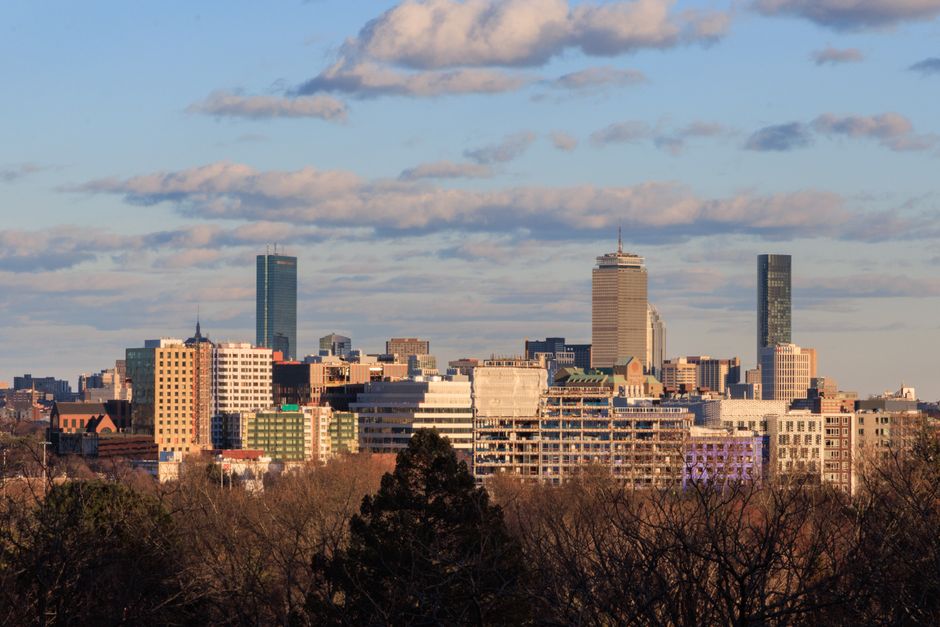
Boston's city government is sitting on tens of thousands of duplicate image files spread across municipal databases, a problem that administrators and archivists say has compounded steadily since at least 2019 and now threatens the efficiency of everything from property permitting in Dorchester to infrastructure inspections along the Greenway. The issue came into sharper focus this spring when the Mayor's Office of New Urban Mechanics flagged the redundancy problem during a broader audit of the city's digital asset management systems.
The timing matters. Mayor Michelle Wu's administration has spent the past two years pushing hard on housing production and MBTA-adjacent development, particularly in Jamaica Plain and along the Fairmount Line corridor. Both initiatives depend heavily on fast, accurate retrieval of parcel records, permit histories, and site photography. When city staff pull up a property file and encounter four or five near-identical aerial or street-level images — each stored separately, each eating storage — it slows the review process and raises the risk of clerks working from outdated documentation.
The roots of the problem stretch back to the rollout of Boston's 311 mobile app, which was redesigned in late 2018 and relaunched in early 2019. Residents reporting potholes, broken sidewalks, or graffiti could suddenly attach photos directly to service requests. The volume of incoming images jumped sharply. City IT staff at the time had no automated deduplication layer in the intake pipeline, meaning every submitted photo — even identical shots taken seconds apart — was stored as a distinct file in the backend system maintained out of City Hall on Cambridge Street.
The problem deepened as different departments adopted their own image-capture workflows without coordinating with the central Office of Digital Innovation. The Boston Inspectional Services Department began using a separate photo-logging tool for building inspections around 2021. The Boston Transportation Department added dashcam stills to its street-condition records the following year. None of these pipelines talked to each other, and none stripped duplicates on upload. By some internal estimates circulating among city technology staff this past winter, the redundant files were consuming upward of 40 percent of available storage in certain departmental directories — though the city has not published a formal audit with verified figures.
The Massachusetts Attorney General's office and state archivists at the Massachusetts Archives on Columbia Point have both emphasized in recent years that municipal records integrity is a legal obligation, not just a housekeeping preference, under Chapter 66 of the Massachusetts General Laws. Storing multiple versions of the same evidentiary image without clear version control creates ambiguity in legal proceedings and public records requests — a concern that defense attorneys have raised in at least two zoning disputes before the Boston Zoning Board of Appeal in the past 18 months.
The Wu administration has directed the Office of Digital Innovation to procure a deduplication and digital asset management platform by the end of fiscal year 2027. A request for proposals is expected to go out through the city's procurement portal this fall. Similar projects in comparably sized American cities — think Baltimore or Denver — have run between $800,000 and $2 million depending on the scope of legacy data migration involved, though Boston has not yet set a public budget line for the work.
In the near term, Inspectional Services and the Boston Planning Department have been told to implement manual tagging protocols to flag suspected duplicates before files are committed to long-term storage. Staff at the ISD offices on City Hall Plaza began piloting the protocol in June. For residents who have submitted 311 requests with multiple photo attachments and wondered why response times on some tickets seem slow, the deduplication backlog is at least part of the answer. Cleaning it up won't happen overnight, but the city has finally acknowledged the pile exists — and that, for a government that has staked a lot of its credibility on digital transparency, is at least a start.
How does this story make you feel?
Spread the word
About this article
Published by The Daily Boston
Daily brief
Free, in your inbox before 7am. Weekdays.
More in News