A growing number of Boston residents say they have discovered that original photographs documenting their neighborhoods — images stored in shared digital archives, neighborhood association portals, and city-linked heritage databases — have been silently replaced by stock or duplicate images, stripping away visual records that took years to assemble. The problem, which residents and archivists have described to The Daily Boston in recent weeks, cuts across Jamaica Plain, Dorchester, East Boston, and Roxbury, affecting collections tied to community land trusts, parish histories, and local historical societies.
The complaints have intensified over the past several months as more organizations migrate legacy photo libraries into cloud-based content management systems. When those systems flag what their algorithms identify as duplicate or low-resolution files, they sometimes auto-replace the originals with higher-resolution stock images bearing similar metadata tags — a process that can happen without any human review. For communities whose visual history is already underrepresented in mainstream archives, the stakes are high.
What Residents Say They Lost
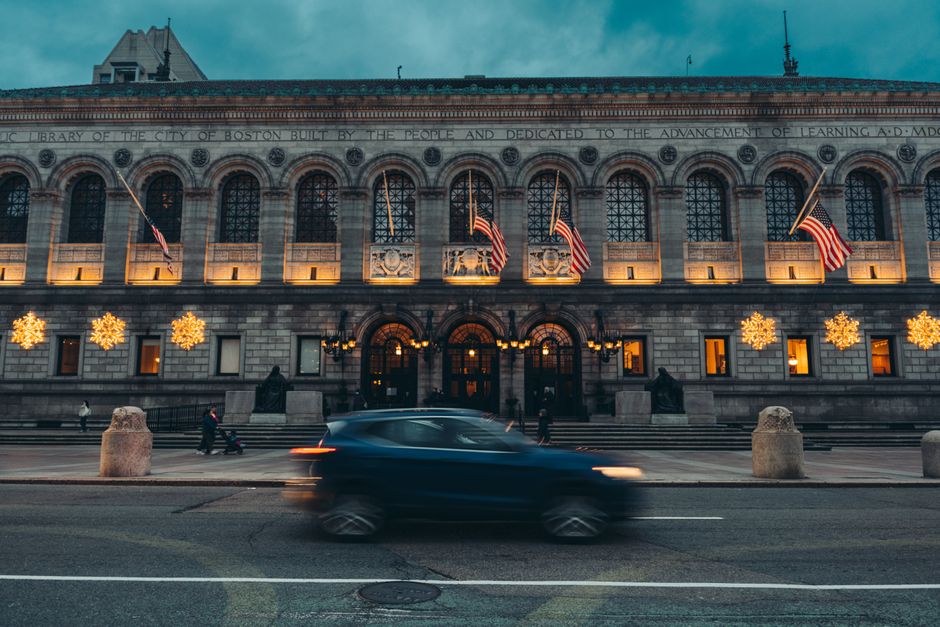
At the Egleston Square branch of the Boston Public Library on Washington Street, librarians have fielded a string of complaints since January 2026 from residents who used the library's digitization program to upload family and neighborhood photographs, only to find the images later altered or replaced in shared folders. One longtime Jamaica Plain resident, who has documented murals along Centre Street for more than a decade, said she noticed her photographs had been substituted with generic urban street scenes bearing no resemblance to the originals. She described the experience as watching her work disappear without explanation.
The issue is not confined to individual hobbyists. The Dudley Street Neighborhood Initiative in Roxbury, which has maintained one of the city's most active community land trust programs since its founding in 1984, has flagged concerns internally about the integrity of its digital photo archive following a platform migration completed in March 2026. Staff there declined to speak on the record about the specifics but confirmed the organization is reviewing its digital asset management procedures. Similarly, the East Boston Community Development Corporation, based on Meridian Street, has begun conducting manual audits of photographs stored across its shared drives after members reported mismatches between file names and image content.
These are not abstract complaints about technology. For communities like Roxbury, where redlining and urban renewal in the 1950s and 1960s physically erased entire blocks, original photographs carry an evidentiary weight that no stock image can replicate. They document who lived where, what buildings looked like before demolition, and how public spaces were actually used — the kind of ground-level evidence that community groups cite in displacement hearings and historic preservation filings at Boston City Hall.
The Mechanics Behind the Problem
Archivists and digital preservation specialists point to a specific vulnerability in platforms that use perceptual hashing — a technique that identifies visually similar images — to manage storage. When two files score above a similarity threshold, some systems will default to retaining the version with higher technical quality, which is often a stock photo that has been professionally processed. The original, lower-resolution community image gets flagged as redundant and either deleted or quarantined. In some configurations, users are never notified.
The Massachusetts Digital Commonwealth, a statewide network connecting libraries, archives, and museums that serves more than 170 contributing institutions across the state, has published guidance on metadata standards and file retention policies, but adherence among smaller community organizations with limited IT staff remains inconsistent. The Boston City Archives on School Street maintains its own independent backup protocols for municipal records, but private community collections fall outside that umbrella.
Community members who believe their photographs have been affected are encouraged to contact their local branch of the Boston Public Library system directly, request a file provenance report from whatever platform hosts their collection, and file a complaint with the organization's digital administrator in writing so there is a paper trail. The New England Archivists, a regional professional organization, offers free consultations for nonprofits navigating digital preservation disputes — a resource that several Roxbury and Dorchester organizations say they did not know existed until recently. Demand for that service, the organization says, has increased noticeably in the first half of 2026.