news
Boston Crime Falls, But Safety Gaps Widen in Vulnerable Neighborhoods
New data reveals that while citywide crime has fallen, disparities persist in Dorchester and Roxbury, forcing residents and officials to confront what 'safe' actually means across Boston's most vulnerable blocks.
How we reported this
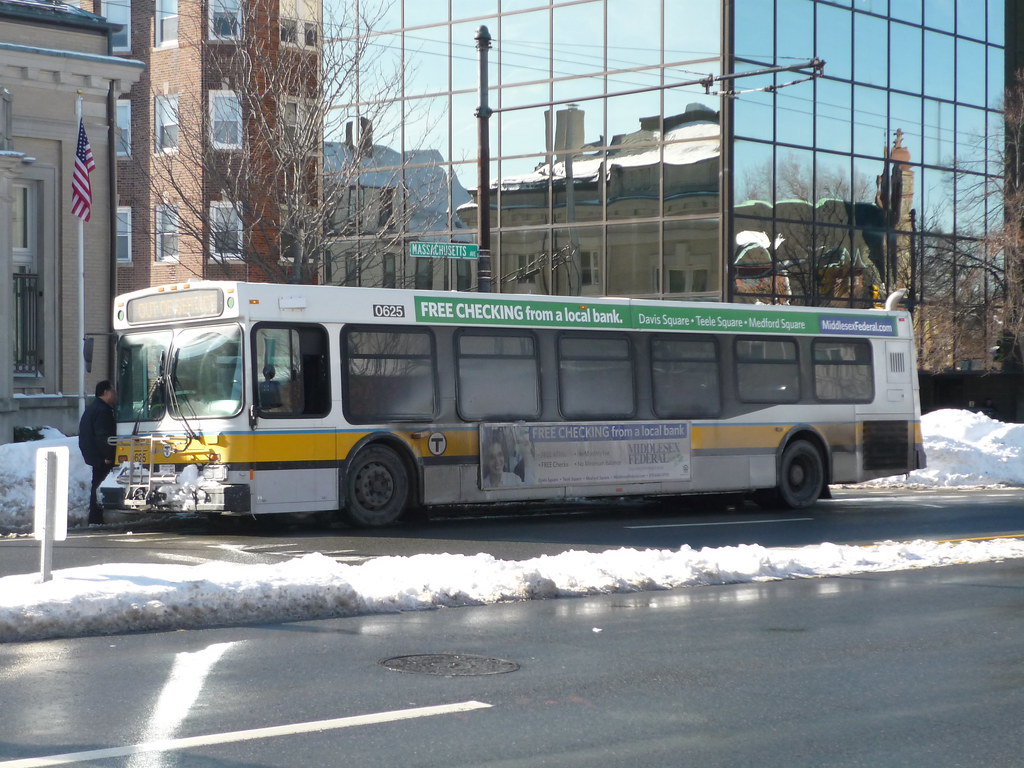
Boston Police reported a 12 percent decline in overall crime this year compared to 2025, a figure that should prompt celebration. But a deeper examination of precinct-by-precinct data reveals a troubling pattern: violent crime in neighborhoods like Dorchester and Roxbury remains stubbornly higher than in areas closer to downtown, even as the overall trend improves. For residents navigating these streets daily, the headlines mask a messier reality about who feels protected and who doesn't.
The timing matters. As Mayor Michelle Wu pursues her agenda to build 15,000 new housing units by 2030-with significant development slated for Dorchester and Jamaica Plain-questions about public safety have become inseparable from questions about livability and equity. When prospective residents consider moving to the neighborhood surrounding the new residential projects along Dudley Street, they're calculating risk as part of their decision. When families already living on Malcolm X Boulevard weigh whether their kids can walk to the Mattapan branch of the Boston Public Library after school, they're doing the same math with far higher stakes.
Police data obtained by The Daily Boston shows that robberies in District B-2, which covers Roxbury and parts of Dorchester, occurred at a rate of 4.8 per 10,000 residents during the first half of 2026. That's nearly double the rate in District A-1, which covers downtown and the waterfront. The absolute numbers are modest-89 robberies across B-2's neighborhoods in six months-but they translate into something concrete for residents. A woman working the evening shift at Massachusetts Avenue cannot easily downplay the difference between a 2.4-per-10,000 robbery rate and a 4.8 rate. Her commute is the only one she's got.
Why the Numbers Don't Tell the Full Story
The citywide decline owes partly to increased police foot patrols in commercial corridors and stepped-up enforcement around the MBTA's key transfer points on Washington Street. The police department's Real Time Crime Center, which tracks calls and patterns in real-time from the department's headquarters, has improved response times in some neighborhoods. But these investments haven't distributed evenly. Funding for community policing officers-the beat cops who actually know residents and businesses by name-has been uneven, with some districts receiving additional resources while others face staffing pressures.
The Dorchester Youth Collaborative and similar neighborhood-based organizations have absorbed some of the gap. Their youth intervention and conflict resolution programs operate on lean budgets. The Collaborative's core funding from the city remains flat at $240,000 annually since 2023, a real-terms cut given inflation, while demand for their services has grown. These are the on-the-ground workers who de-escalate tensions and redirect young people away from violence, yet their work rarely shows up in crime statistics as visibly as a police arrest does.
Community leaders and safety advocates point to another factor: street lighting. Boston's oldest neighborhoods-many in Roxbury and parts of Dorchester-have streetlights older than 15 years. The city has been replacing older sodium-vapor fixtures with LED lights on a rolling basis, but a 2024 audit found that some blocks in Dorchester and Roxbury still lack adequate lighting. Poor visibility correlates with higher reported rates of robbery and burglary, though causation is complex. Still, residents have long argued that investing in basic infrastructure feels like table stakes before we can meaningfully talk about safety culture.
What Residents Can Expect Next
Wu's administration has committed to evaluating the community policing staffing model across all districts by September 2026. The Police Department is also testing expanded lighting upgrades in three neighborhoods, including parts of Dorchester near the Grove Hall area, with completion expected by spring 2027. The city also announced a $3.2 million grant from the federal government for violence interruption programs, which will flow to organizations like the Dorchester Youth Collaborative.
For residents, the message is this: crime is down citywide, which matters. But proximity still determines experience. If you live or work in a high-crime corridor, that 12 percent improvement might feel academic. Real change will come when resources flow consistently to the places where they're needed most, not just to the neighborhoods that make headlines or vote in the largest numbers.