Politics
Boston Mayor Revises Policy, Expands Affordable Housing in New Developments
Boston residents applying for income-restricted units in new apartment buildings could see expanded availability in several neighborhoods, while some larger-scale market-rate developments will face updated compliance rules.
How we reported this
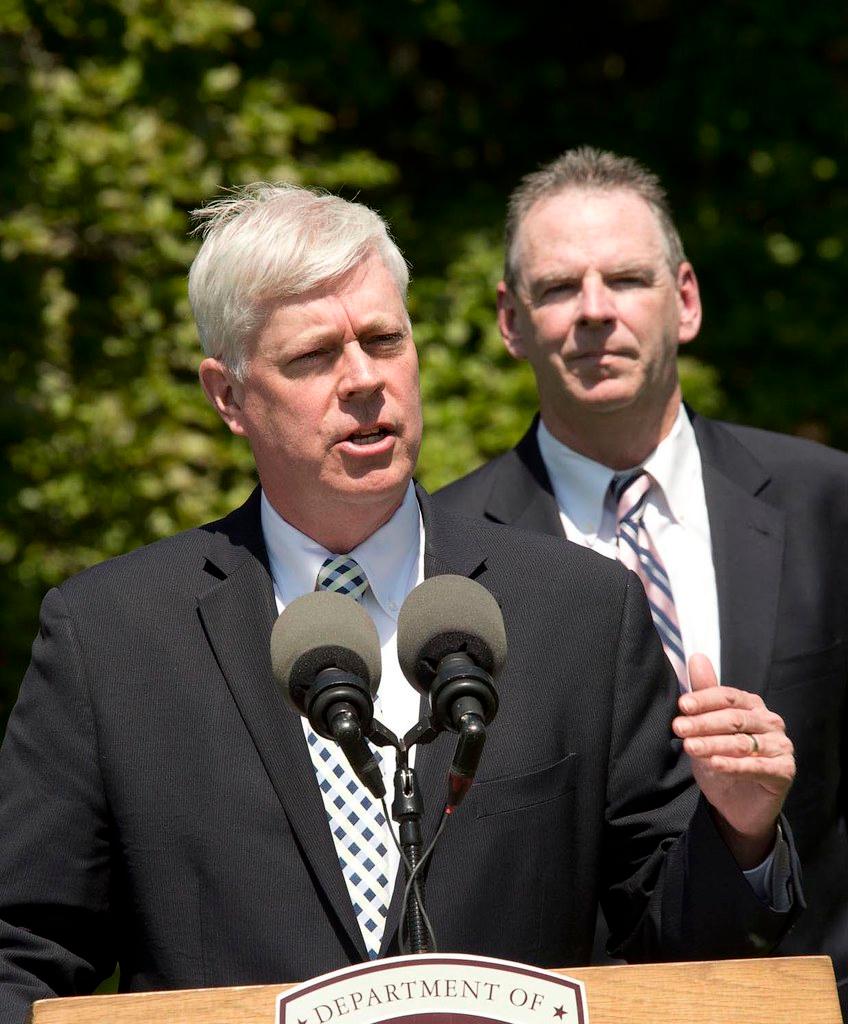
The City of Boston has revised its Inclusionary Development Policy to require that projects with 10 or more units set aside 15 percent of units as income-restricted affordable housing, up from the prior 13 percent threshold. The change applies to residential developments permitted after August 1, 2026, according to the mayor's office 2026 housing policy memorandum. Renters earning up to 60 percent of area median income stand to gain priority access in districts such as Roxbury and Jamaica Plain, while property owners pursuing large condominium conversions may encounter tighter approval timelines.
Why the revision arrives in 2026
Boston's housing production data released in the 2025 annual report showed that only 8 percent of new units completed between 2022 and 2025 met affordability criteria under the previous policy. City planning documents note that applications for large multifamily projects rose 22 percent in the first quarter of 2026 compared with the same period in 2025. The update aligns the local rule with updated federal housing tax credit guidelines that took effect earlier this year.
Local residents will encounter the changes first through permit postings at construction sites and through listings on the city's housing portal. A household in Dorchester earning $72,000 annually could now qualify for a two-bedroom unit priced at roughly $1,650 monthly in a building that previously would have offered fewer such units. Conversely, a developer planning a 120-unit market-rate tower in the Seaport District must now reserve 18 units rather than 16 for qualifying applicants, which the legislation states will be enforced through deed restrictions recorded at the Suffolk County Registry of Deeds.
Budget and service effects for neighborhoods
The city's fiscal year 2026 capital budget allocates $14.2 million to administer expanded monitoring of the revised policy through the Department of Neighborhood Development. That figure covers additional staff positions for compliance reviews but does not increase direct rental assistance payments. Residents who already hold Section 8 vouchers in Allston and Brighton will continue to receive those subsidies without alteration, while new applicants on the centralized waitlist may move forward more quickly once the additional units come online.
Projects already under construction or permitted before August 1 remain subject to the older 13 percent requirement. The legislation states that mixed-use buildings containing ground-floor retail will calculate the affordable share solely on the residential square footage. Community advocates note that smaller lot projects under 10 units continue to fall outside the mandatory set-aside, leaving some single-family conversion proposals unaffected.
City staff will begin accepting the first round of revised project filings in September 2026. The Department of Neighborhood Development projects that roughly 1,800 additional affordable units could be produced over the next five years if current permitting volumes hold steady. Residents can review individual project applications and comment during the required public hearing process listed on the city's permitting dashboard.