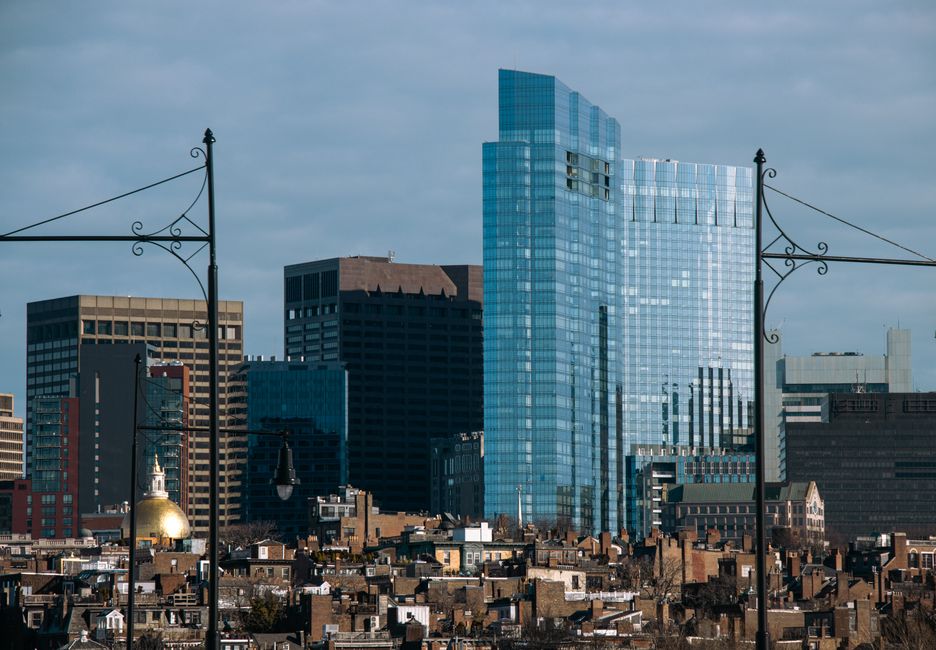
Boston's property market remains one of the nation's most competitive, but first-time buyers shouldn't despair. With median prices hovering around $780,000, there are strategic pathways forward—if you know where to look and what programmes exist.
The Massachusetts Affordable Housing Trust and the city's recent push for inclusionary zoning are reshaping opportunities. Under current policy, new residential developments over a certain size must dedicate a percentage of units to affordable housing. This has opened doors in neighbourhoods like South Boston and Somerville, where transformation is actively underway. The Seaport District, once entirely out of reach, now includes some deed-restricted affordable units mixed within premium developments.
First-time buyers should investigate down payment assistance programmes through MassHousing and local non-profits like Inquilinos Unidos. Many offer 3-5 per cent down payment help and closing cost support, meaningfully lowering the barrier to entry. Combined with federal first-time buyer tax credits, these can reduce your required capital by $15,000-$25,000.
Geography matters tremendously. While Beacon Hill and Back Bay remain premium zones—expect $950k+ for modest townhouses—Cambridge and Somerville offer younger inventory and relative value. A two-bedroom condo in Union Square, Somerville might list at $550-650k, compared to $700k+ across the Charles in comparable neighbourhoods. The Orange Line corridor is attracting investor and owner-occupier attention alike.
Emerging areas like Jamaica Plain and Roxbury present longer-term appreciation potential. Prices lag central Boston by 15-20 per cent, yet these neighbourhoods attract university-driven demand and steady revitalisation investment. The Green Line extension discussions hint at future infrastructure improvements that could unlock value.
Property taxes warrant scrutiny. Boston's effective rate sits around 1.23 per cent—lower than surrounding suburbs—making homeownership more affordable on a monthly basis than purchase price alone suggests. A $600,000 home carries roughly $7,400 annual tax, manageable within a first-time buyer budget.
The Community Preservation Act, active across Massachusetts, dedicates property tax revenue to affordable housing preservation. Boston's recent expansion of this programme has funded down payment assistance pools specifically for lower-income buyers, worth investigating through the Boston Planning & Development Agency.
Finally, timing matters. While market inventory remains tight, recent policy discussion around rent stabilisation and affordable unit mandates suggests momentum toward greater accessibility. First-time buyers who move decisively in the next 12-18 months may benefit from policy-driven affordability additions hitting the market.
The path into Boston's property market exists—but success requires understanding both the assistance landscape and neighbourhood-specific economics.
This article was compiled by AI and screened before publishing. See our editorial standards.