Breaking Into Boston's Luxury Market: A First-Timer's Guide to Beacon Hill and Beyond
With median luxury homes hovering near $2 million, here's what newcomers need to know before bidding on Pinckney Street or Charles River views.
With median luxury homes hovering near $2 million, here's what newcomers need to know before bidding on Pinckney Street or Charles River views.
The luxury property market in Boston has long been the domain of established wealth and generational money. Yet in 2026, a new cohort of affluent first-time buyers—tech entrepreneurs, healthcare executives, and finance professionals—is reshaping how the city's most prestigious neighbourhoods operate. If you're considering entry into Boston's high-end market, understanding its unique rhythms is essential.
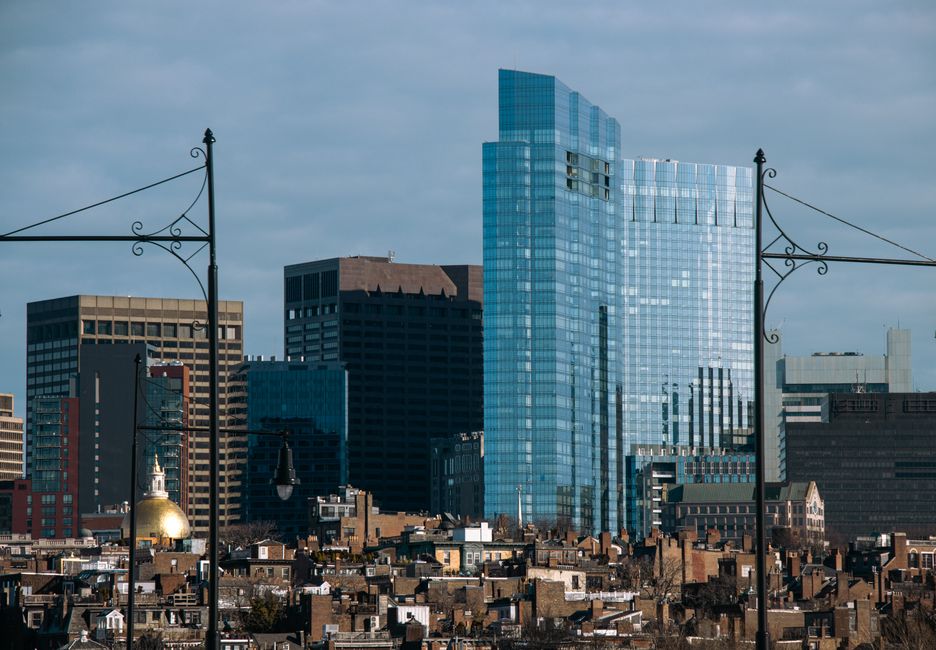
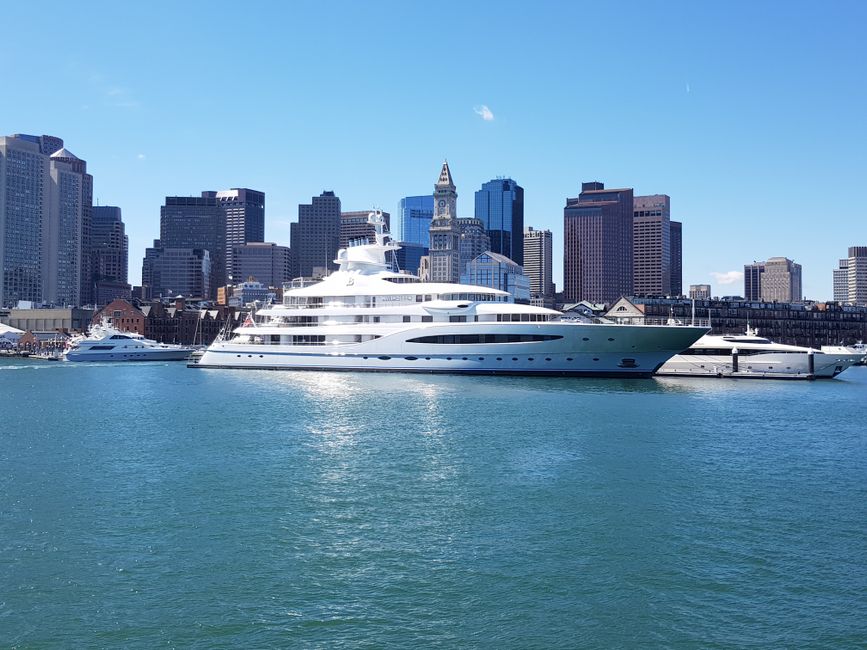
Beacon Hill and Back Bay remain the gold standard, commanding premiums well above the metro area's $780,000 median. A brownstone on Mount Vernon Street or Louisburg Square—Boston's most exclusive private park—typically starts at $3.5 million and climbs steeply. But for astute first-time luxury buyers, the true opportunity lies in understanding micro-markets. South Boston's waterfront has matured considerably, with new construction condominiums offering city views and modern amenities at $1.8 million to $2.4 million. Cambridge's emerging Harvard Square precinct and Somerville's Union Square corridor represent the next wave, with thoughtfully renovated Victorian townhouses now commanding $1.2 million to $1.7 million.
The mechanics differ sharply from standard transactions. Luxury properties rarely list widely; many move through private networks and specialist agents at firms anchored on Newbury Street. Expect extended due diligence periods, particularly for historic homes where structural assessments and period-specific renovations can cost hundreds of thousands. The Charles River Conservancy, Beacon Hill Civic Association, and local historical commissions wield real power—any exterior changes to a Beacon Hill Federal-era home requires approval, which can delay projects by months.
Financing presents another complexity. While conventional mortgages remain available, many luxury buyers work with private banking divisions that offer portfolio lending for properties above $2 million. Cash purchases, once rare, now represent roughly 35 percent of sales above $3 million, reflecting post-pandemic wealth consolidation.
Neighbourhood stability matters more than most realise. Properties near the Boston Public Garden, Commonwealth Avenue's tree-lined median, or the Emerald Necklace trail system command sustained premiums. Proximity to quality schools—Boston Latin Academy, Commonwealth School—drives value even for childless buyers, as resale demand remains robust.
Perhaps most importantly, resist the pressure to overpay for brand-name addresses. A well-positioned condo in a boutique Watertown building or a meticulously updated Brookline mansion often appreciates faster than a merely adequate Beacon Hill property. In Boston's luxury market, location precision—not just prestige—drives long-term wealth creation.
This article was compiled by AI and screened before publishing. See our editorial standards.
How does this story make you feel?
Spread the word
About this article
Published by The Daily Boston
Daily brief
Free, in your inbox before 7am. Weekdays.
More in Property