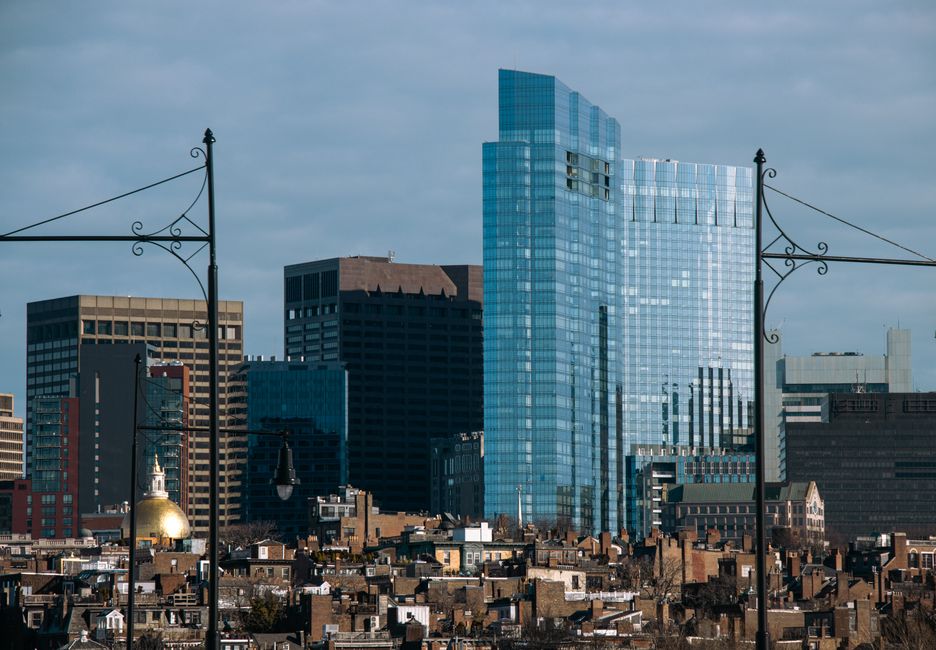
Watertown emerges as Boston's next investment hotspot as buyers flee pricier inner suburbs
Strategic location, transit access and $650k median prices are drawing savvy investors to this overlooked corner of Greater Boston.
Strategic location, transit access and $650k median prices are drawing savvy investors to this overlooked corner of Greater Boston.
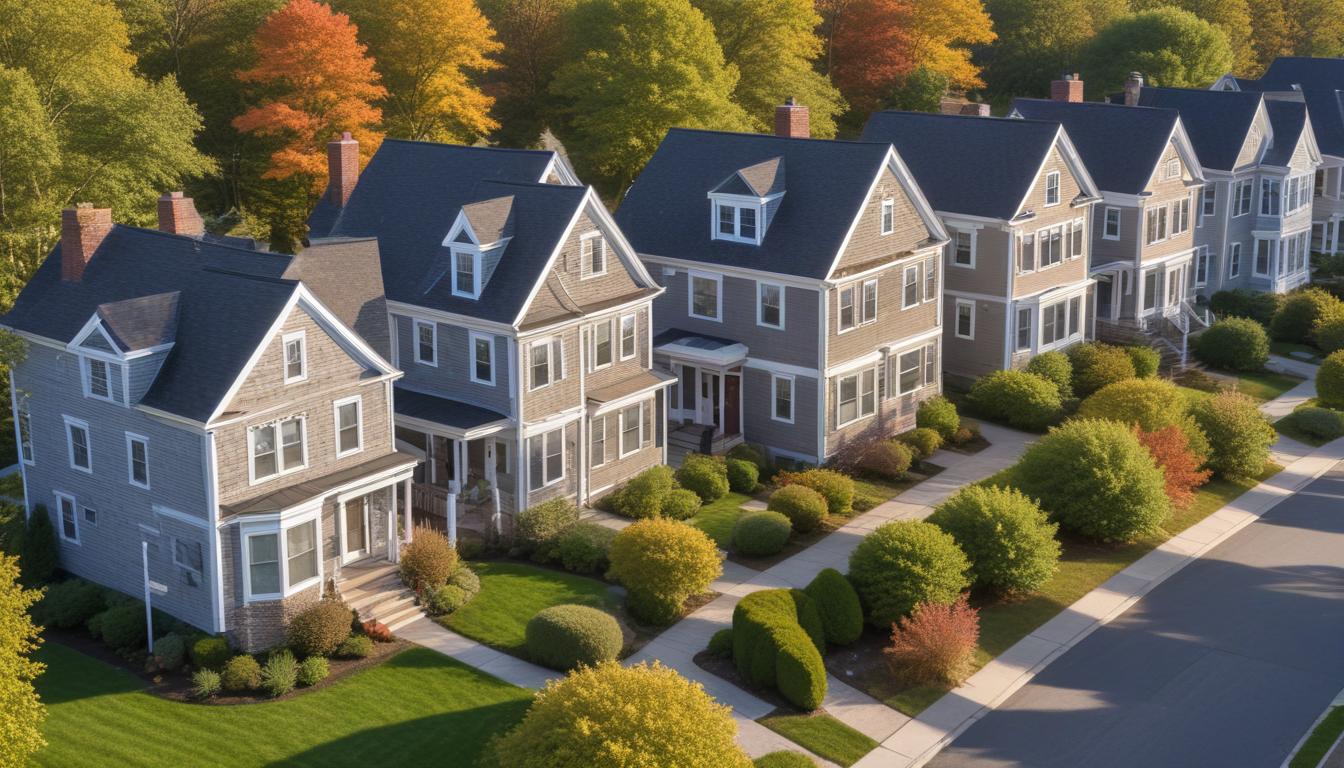
For years, Watertown has occupied an awkward middle ground in the Boston property market—too close to the city to feel suburban, too removed from Beacon Hill's prestige to command premium prices. That disconnect is rapidly closing.
Once dismissed as a quiet residential enclave straddling the Charles River, Watertown is experiencing a genuine investment surge. Median home prices have climbed to approximately $650,000, still $130,000 below Boston's broader median, yet up 22% over three years. For developers and owner-occupants alike, the arithmetic is compelling.
The catalyst is multifaceted. Arsenal Yards, the mixed-use development anchoring the town centre near the MBTA Green Line extension terminus, has fundamentally shifted perceptions. The project—combining retail, apartments, and public space—has attracted chains like Whole Foods and independent restaurants, transforming what was dormant industrial land into a genuine destination.
But the real story extends beyond Arsenal Yards. The Watertown Sq neighbourhood, particularly along Main Street and radiating toward the Pleasant Street corridor, is seeing aggressive renovation activity. Pre-war apartment buildings are being repositioned for young professionals priced out of Cambridge and Somerville. Three-family homes along Oakley Road and in the Coolidge Square area—traditionally owner-occupied—are now attracting institutional investor interest.
Transit access is the underlying engine. The Green Line extension, completed in 2024, has slashed commute times to downtown Boston and MIT, fundamentally rewriting Watertown's appeal. Combined with the ongoing Red Line study and bus rapid transit improvements along Galen Street, connectivity rivals many closer-in suburbs.
Crucially, Watertown still offers breathing room. Unlike Somerville and Cambridge, where median prices have exceeded $850,000 and $920,000 respectively, Watertown remains accessible. School performance, historically a concern, has improved markedly under recent district leadership, adding further weight to family-focused investment decisions.
The town's institutional anchors matter too. Perkins School for the Blind, MIT's Lincoln Laboratory, and ongoing biotech clustering along the Route 128 corridor create employment stability. Meanwhile, waterfront access along the Charles is finally being leveraged—new parks and pathways are rebranding Watertown as a place where urban convenience meets recreational amenity.
For investors watching Cambridge and Somerville saturate, Watertown represents familiar thesis with fresher economics. Prices remain rational, transit infrastructure is locked in, and neighbourhood trajectory feels genuinely inflected. Whether it sustains this momentum depends on execution at Arsenal Yards and downstream development momentum—but the early indicators suggest Watertown's overlooked decades are ending.
This article was compiled by AI and screened before publishing. See our editorial standards.
How does this story make you feel?
Spread the word
About this article
Published by The Daily Boston
Daily brief
Free, in your inbox before 7am. Weekdays.
More in Property