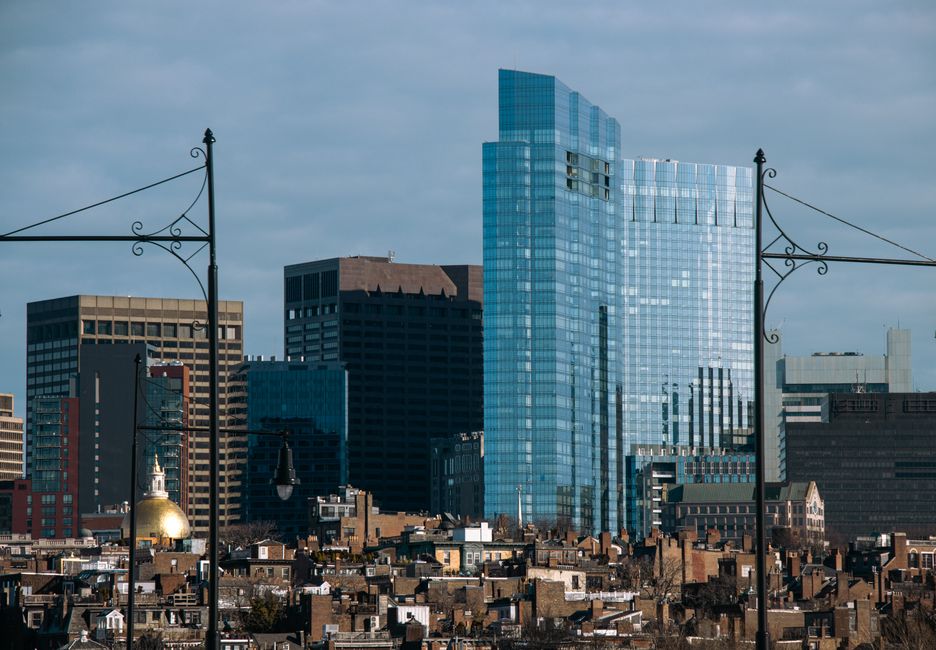
Boston's Rental Crisis: How Soaring Prices Are Reshaping the Landlord-Tenant Divide
As rents climb faster than wages across the city, both renters and property owners face mounting pressure—and tough choices.
As rents climb faster than wages across the city, both renters and property owners face mounting pressure—and tough choices.
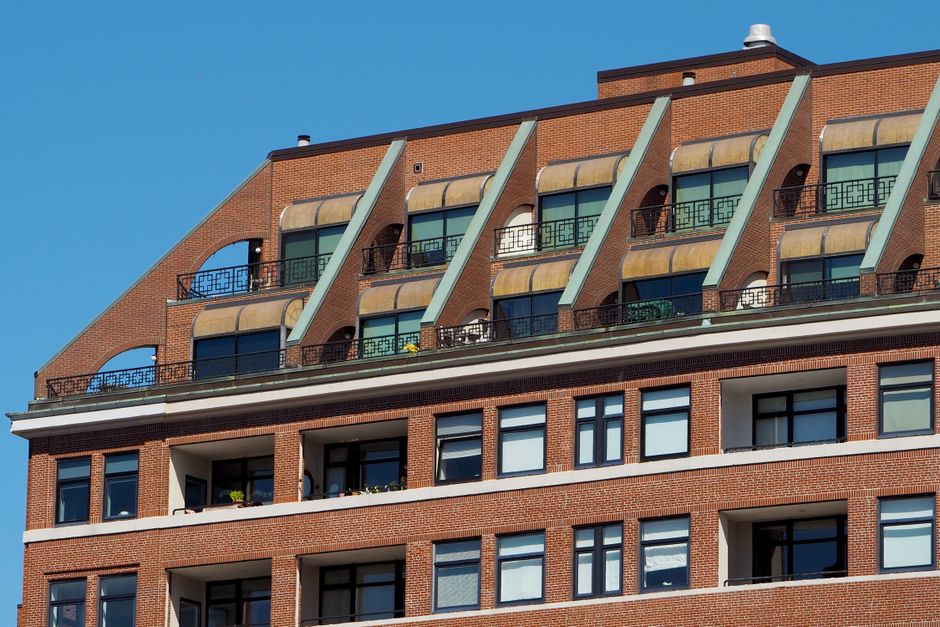
Boston's rental market has become a study in contradiction. While landlords enjoy historically strong occupancy rates and competition among tenants, renters are increasingly squeezed, with median rents now consuming 35-40% of household income for many working professionals.
The pressure is most acute in neighborhoods undergoing rapid transformation. In South Boston, once an affordable refuge, two-bedroom apartments that rented for $2,100 three years ago now command $2,800 to $3,200. Along the Cambridge-Somerville corridor—historically home to graduate students and young professionals—similar properties have jumped from $2,400 to $3,100. Even Jamaica Plain, long considered a pocket of relative affordability, has seen year-over-year increases of 8-12%.
These trends are forcing difficult decisions for renters. Many are extending commutes, moving further into the suburbs, or doubling down on roommate arrangements. Community advocacy groups report increased inquiries about tenant rights, rent stabilization programs, and emergency housing assistance. Meanwhile, landlords face their own crossroads.
Some property owners, particularly those managing smaller portfolios on Beacon Hill and the South End, are navigating a paradox: strong rental demand masks underlying challenges. Rising property taxes, maintenance costs, and insurance premiums are eating into margins. A modest two-family home in Roxbury that generates $5,500 in monthly rent might cost $2,800 in fixed expenses alone—before accounting for repairs or vacancy periods.
This squeeze is creating market bifurcation. Institutional investors with deep pockets are consolidating holdings in premium neighborhoods, while small landlords are either selling to developers or raising rents aggressively to compensate for compression elsewhere. Between January 2024 and June 2026, sales of investment properties citywide jumped 18%, suggesting portfolios are consolidating.
Boston's median home price remains around $780,000, but rental affordability has become the more pressing crisis. For tenants earning $60,000 annually—a realistic figure for teachers, nurses, and nonprofit workers—finding a one-bedroom within budget on the Red Line corridor is nearly impossible without roommate arrangements or significant commuting sacrifice.
The question facing policymakers and residents alike is whether Boston's rental market can sustain its current trajectory. Housing advocates point to other cities' models—inclusionary zoning requirements, rent stabilization policies, community land trusts—while property owners warn that aggressive regulation risks disincentivizing new construction. As summer leasing season peaks, that tension has never been sharper.
This article was compiled by AI and screened before publishing. See our editorial standards.
How does this story make you feel?
Spread the word
About this article
Published by The Daily Boston
Daily brief
Free, in your inbox before 7am. Weekdays.
More in Property