Boston's property market has fractured into distinct yield zones, and savvy investors are increasingly abandoning the prestige premium of Beacon Hill for the arithmetic of South Boston and the emerging returns of Somerville's Union Square corridor.
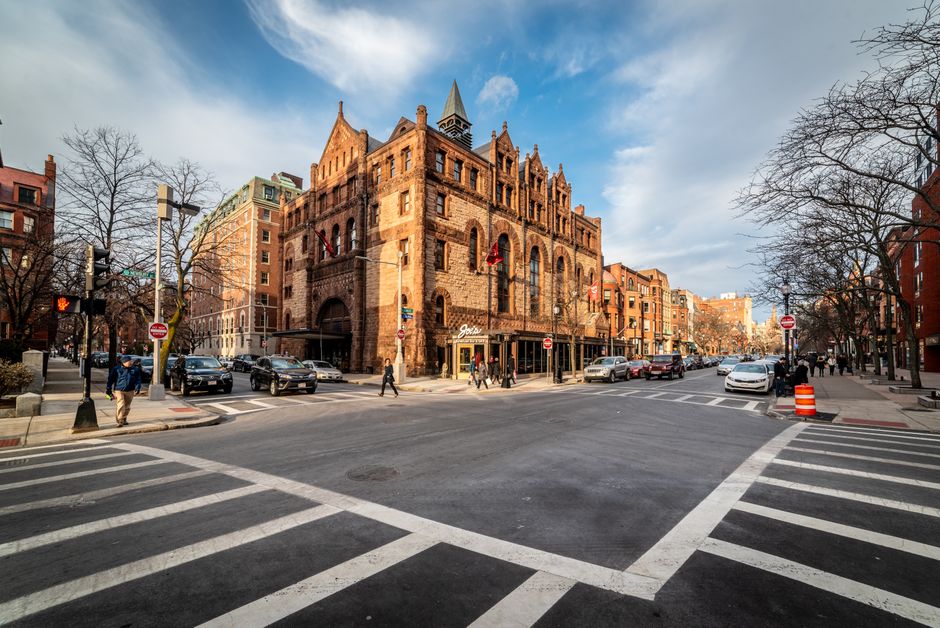
The city's median sits at $780,000, but that headline figure masks a widening gap between nostalgia pricing and real rental returns. Beacon Hill and Back Bay properties command the cultural premium—a four-bedroom brownstone on Mount Vernon Street recently listed at $3.2 million—yet struggle to deliver gross yields above 3 per cent when mortgage costs run at current rates. The mathematics don't favour yield-focused capital there.
South Boston tells a different story. The neighbourhood's transformation from industrial pocket to mixed-use destination has created genuine spread between acquisition cost and rental income. Properties around Dorchester Avenue and the Fort Point Channel precinct—once overlooked by institutional money—now sustain 4.5 to 5.2 per cent gross yields, according to local market analysis. A two-bedroom unit purchased for $650,000 generates $2,800 to $3,100 monthly rent, translating to returns institutional investors can actually model.
But the real yield discovery is happening further out. Somerville, particularly around Union Square and the Green Line extension corridor, has become the working investor's laboratory. Properties that sold for $480,000 two years ago now command $580,000—meaningful appreciation—while maintaining rental yields of 4.8 to 5.4 per cent. The neighbourhood attracts university staff, biotech workers filtering out from Cambridge's saturated market, and young professionals priced out of the Back Bay.
Cambridge presents a paradox. Harvard and MIT's presence inflates prices while their endowment wealth dampens rental demand. A modest two-bedroom in Central or Harvard Squares trades at $850,000-plus with yields stuck at 2.9 to 3.4 per cent. The universities' own housing expansions have also softened landlord economics.
The data whisper what investors increasingly believe: Boston's next returns cycle belongs to neighbourhoods mid-cycle in transformation, not those already transformed. Somerville's yield-to-price ratio is 1.5 times better than Beacon Hill. South Boston's rental growth is outpacing price appreciation in older precincts by 140 basis points annually.
The city median of $780,000 obscures this truth. Geography matters less than the specific calculus of purchase price against sustainable rental income. In 2026, that points decisively away from heritage prestige and toward the suburbs where the numbers still work.
This article was compiled by AI and screened before publishing. See our editorial standards.