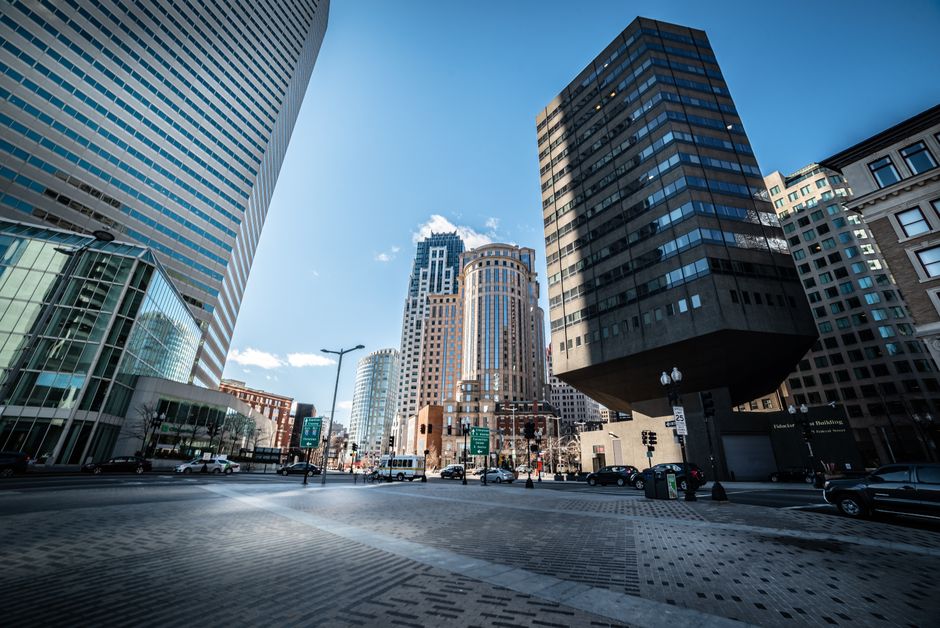
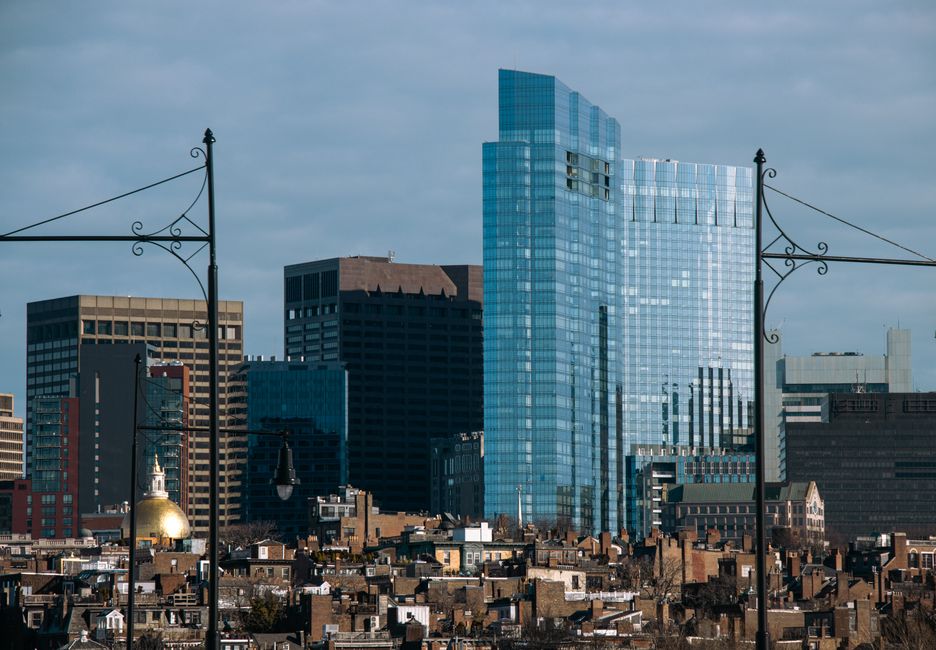
Boston's development machine is running hotter than it has in five years. City councillors have greenlit over $3 billion in residential and commercial projects in the past eighteen months, signalling a confidence that cuts against national softening trends. Yet the real question isn't whether cranes will dot the skyline—it's whether these developments will reshape neighbourhoods for better or worse.
The Seaport District remains the obvious flashpoint. Dozens of new residential towers are in permitting or early construction, adding thousands of units to a neighbourhood that barely existed a decade ago. Median prices there have climbed to $1.2 million for condos, making it a playground for investors rather than young professionals. Meanwhile, Assembly Row in Somerville—already transformed from industrial wasteland to mixed-use destination—is about to add another 800 residential units across three new buildings by 2028. The question: does supply finally ease the pressure, or does it simply create a new tier of expensive housing?
Kendall Square offers a different tension entirely. Cambridge's biotech engine is approving two major office-to-residential conversions that could inject 600 apartments into a neighbourhood already stretched thin by MIT and Harvard's gravitational pull. Rents in adjacent areas have hit $2,800 monthly for one-bedrooms. More housing units should help—yet Cambridge's zoning restrictions mean these projects move at glacial pace compared to their Seaport equivalents.
South Boston's waterfront continues its decade-long transformation, with three new residential complexes approved along the Rose Kennedy Greenway extension. These projects promise ground-floor retail and improved public access, a model that suggests developers are learning from Seaport's sometimes sterile early iterations.
The infrastructure reality, however, remains dicey. The MBTA's Red and Orange Lines are already stretched. Approving 4,000 new units across the metro area without corresponding transit investment risks creating expensive dormitories, not vibrant neighbourhoods. Water infrastructure in older areas like Jamaica Plain and Roxbury remains a constraint few developments adequately address.
Boston's median property price of $780,000 reflects genuine scarcity. These approvals matter precisely because they're rare. Yet developers are chasing premium segments—the Seaport's $1.2 million baseline, not workforce housing. Until city approvals force genuine affordability requirements beyond token percentages, these billions in construction will largely serve the city's already-comfortable. The developments will reshape Boston's skyline. Whether they reshape its accessibility remains the open question.
This article was compiled by AI and screened before publishing. See our editorial standards.