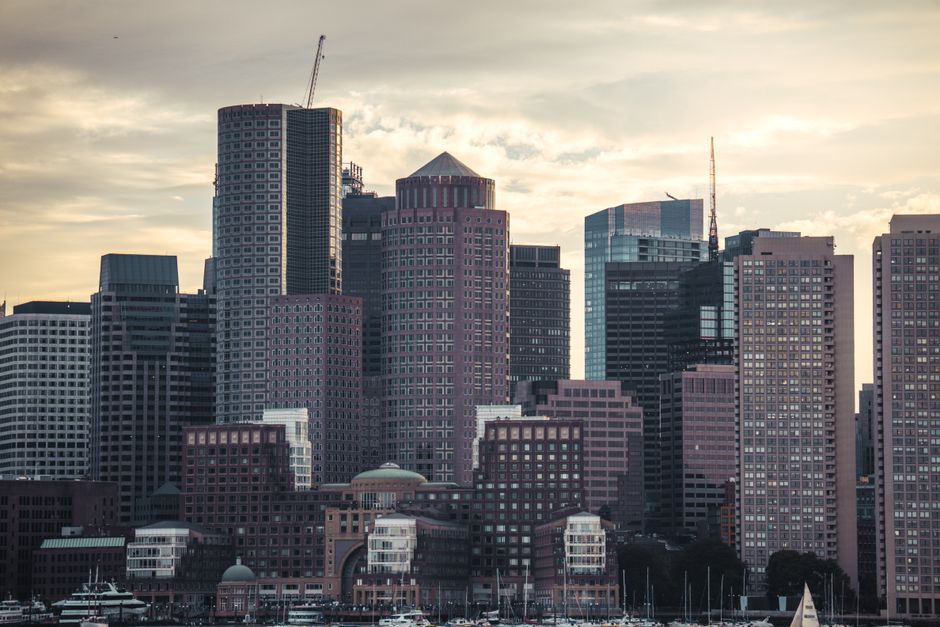
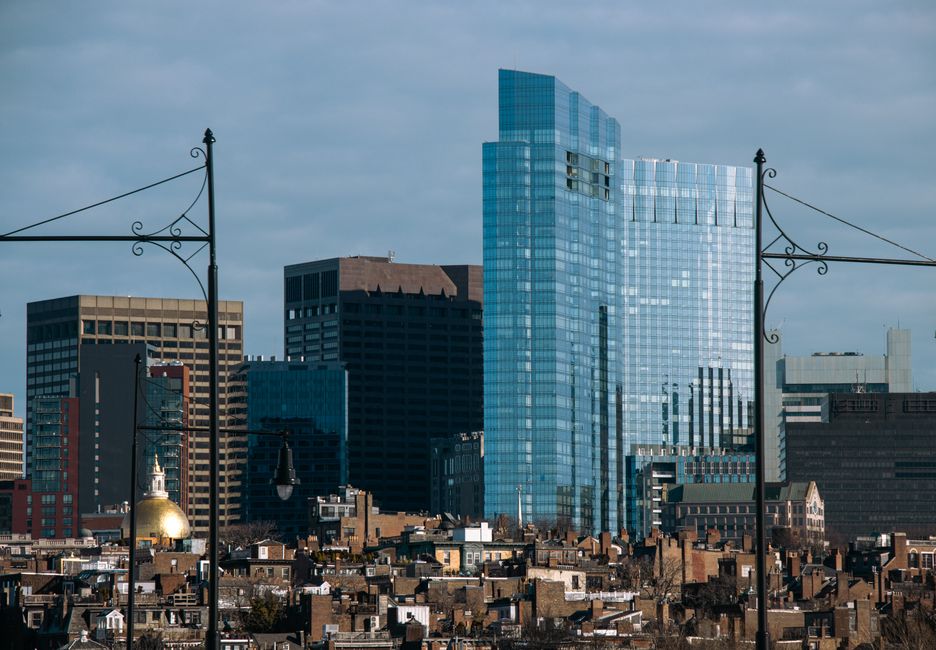
Boston's luxury property market is experiencing an unprecedented squeeze. With the median home price hovering around $780,000 citywide, the prestige segment—traditionally anchored by Beacon Hill's Federal townhouses and Back Bay's brownstones—is confronting a regulatory headwind that's fundamentally reshaping where the city's wealthiest residents can build and buy.
The culprit: updated zoning amendments passed earlier this year that tightened conversion rules in the city's most coveted historic districts. Under the new framework, developers face stricter requirements for dividing single-family mansions into luxury condominiums, a practice that had quietly fueled supply in Beacon Hill for two decades. The policy shift—designed to preserve neighbourhood character—has had an unintended consequence: fewer high-end units on the market.
Real estate insiders report that properties listed above $3 million in Beacon Hill have stalled, with some lingering 180 days or more. Meanwhile, Back Bay's Charles Street corridor, historically commanding premiums of 40 per cent above the citywide median, is experiencing measurable inventory constraints for the first time since 2019. The Planning and Development Agency's new guidelines also imposed cap restrictions on penthouse conversions, directly limiting the ultra-luxury segment's most profitable category.
But the market hasn't frozen—it's migrated. Cambridge and Brookline, both less restrictive in their recent planning decisions, are capturing displaced demand. Brookline's Hammond Street precinct has seen a 22 per cent uptick in luxury sales in the past six months, while Cambridge's Mount Auburn Street corridor is experiencing its strongest market in a decade. Universities' continued hiring in life sciences and technology is sustaining demand in these areas, insulating them from supply constraints.
The Boston situation reflects a broader tension in Australian and North American property markets: heritage preservation versus market dynamism. Cities like Melbourne have wrestled with similar policy trade-offs, sometimes seeing ultrarich buyers bypass historic precincts altogether for purpose-built developments in emerging zones.
For Beacon Hill and Back Bay, the policy calculus appears intentional. City officials have explicitly stated that limiting luxury conversions protects long-term residential stability and prevents the kind of speculative flipping that plagued the neighbourhoods in the early 2010s. Whether that strategy succeeds will depend on whether Boston can simultaneously develop new prestige supply elsewhere—a task complicated by tight downtown development sites and rising construction costs.
The next eighteen months will be telling. If the Cambridge and Brookline pipeline continues absorbing luxury demand, Beacon Hill's supremacy as Boston's prestige address may finally be challenged.
This article was compiled by AI and screened before publishing. See our editorial standards.