What Boston's luxury auction results and price data are really signalling about the high-end market
Recent sales on Louisburg Square and Charles Street reveal a market sharply divided between trophy properties and premium-priced uncertainty.
Recent sales on Louisburg Square and Charles Street reveal a market sharply divided between trophy properties and premium-priced uncertainty.
Boston's luxury property market is sending mixed signals, and the data tells a story far more nuanced than headline prices suggest.
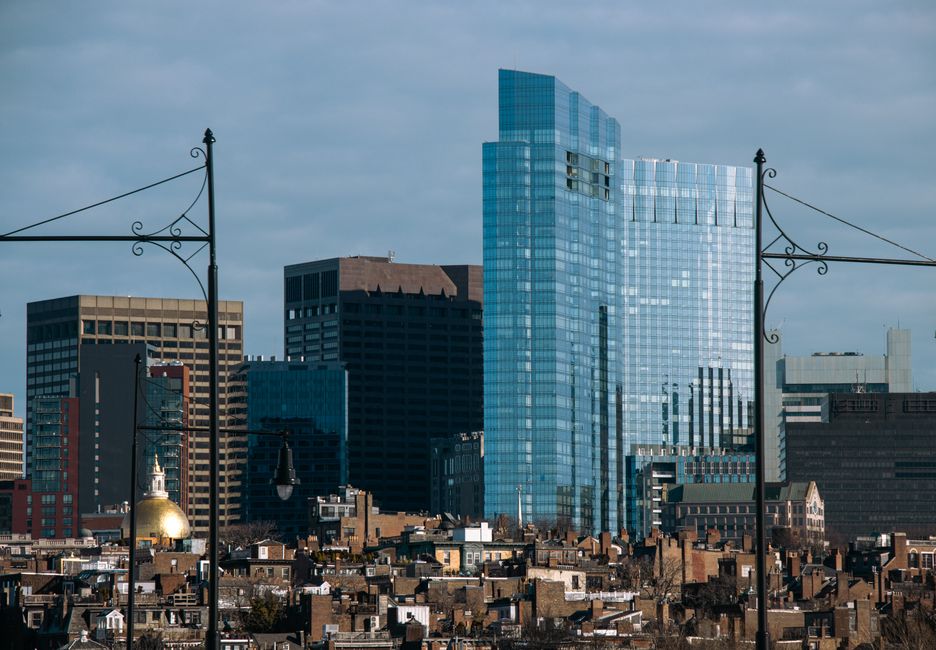
At the apex, Beacon Hill and Back Bay continue to command stratospheric valuations. Properties on Louisburg Square—traditionally Boston's most exclusive address—have seen median asking prices hover near $8 million, with recent sales suggesting buyers remain willing to pay north of $7 million for period-correct brownstones with original details. This tier appears insulated from broader market pressures, driven by institutional wealth, international money, and a finite supply of authenticated historic properties.
But venture one neighbourhood over, or down into the $3 million to $5 million range, and auction results paint a different picture. Several recent off-market transactions on Charles Street and Pinckney Street suggest price expectations have softened compared to 2024 peaks. Properties listed at $4.8 million are moving at $4.2 million—a gap that signals premium-priced stock faces genuine headwinds. This is not a crash; it's a correction in expectation.
The real story emerges in emerging luxury corridors. South Boston's Seaport District and Somerville's Union Square have attracted significant capital, with new construction commanding $1.2 million to $2.1 million per unit. Yet absorption rates for high-end apartments above $2 million are slower than developers anticipated. Marketing cycles that once lasted 60 days now stretch to 90-plus, even for properties with river views or rooftop access.
Cambridge's Harvard Square and vicinity tell another tale: university-linked institutional investment and faculty demand have created an unusually resilient micro-market. Properties near Harvard's campus and along Memorial Drive are moving closer to asking, suggesting a different buyer psychology—one anchored less to speculative equity gain and more to use and stability.
The median Boston property price of $780,000 masks this bifurcation entirely. Above $2 million, the market has splintered into three distinct tiers: ultra-prime trophy assets (Beacon Hill, Back Bay); aspirational luxury facing pricing pressure (premium Brownstone Belt); and emerging luxury with solid but slower uptake (Seaport, Union Square, Cambridge).
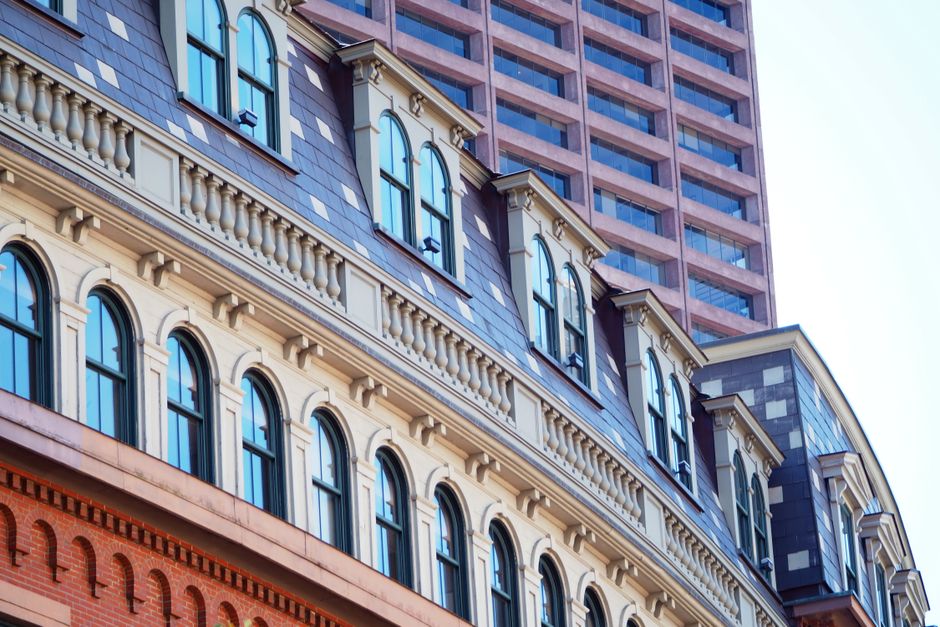
For agents and sellers, the signal is clear: authenticity, provenance, and location specificity now matter more than ever. A perfectly maintained 1880s Beacon Hill townhouse sells readily at premium. A developer-spec Somerville luxury unit competes on features and price. The market hasn't retreated—it has simply become less forgiving of middling properties in saturated segments, regardless of price tag.
This article was compiled by AI and screened before publishing. See our editorial standards.
How does this story make you feel?
Spread the word
About this article
Published by The Daily Boston
Daily brief
Free, in your inbox before 7am. Weekdays.
More in Property