Boston Rental Vacancy Shrinks to Two-Decade Low, Fueling Fierce Apartment Competition
Listings vanish in days as rents climb and would-be buyers flood the market, leaving renters scrambling from Back Bay to Dorchester.
Listings vanish in days as rents climb and would-be buyers flood the market, leaving renters scrambling from Back Bay to Dorchester.
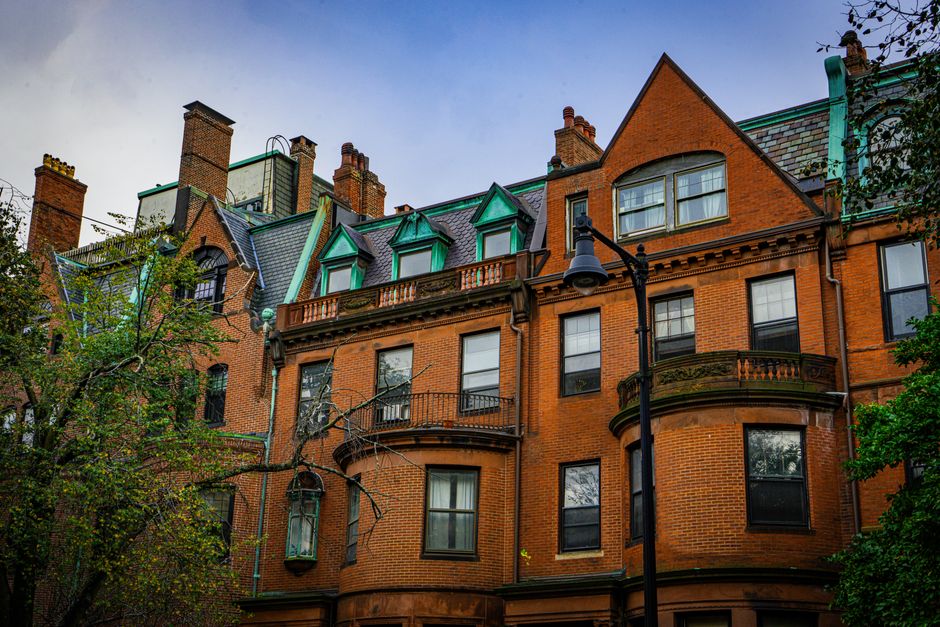
Boston’s rental vacancy rate has plunged to just 1.2 percent this July, the lowest level recorded since 2005, according to new data released by the Boston Planning & Development Agency. The ultra-tight market is pushing renters into bidding wars for studio apartments in Allston, and two-bedrooms in South Boston are often snapped up within 48 hours of listing.
This matters now because the window for first-time buyers is also narrowing as interest rates hover above six percent and the city’s median sale price ticks up to $780,000. With homeownership out of reach for many, competition for rental apartments has reached fever pitch, especially in neighborhoods popular with young professionals and students.
On Charles Street in Beacon Hill, property managers at Charlesgate Realty say they’re fielding over a dozen applications for each available one-bedroom. Over in Dorchester, brokers with Gibson Sotheby’s report a surge of graduate students vying with healthcare workers and remote tech employees for limited inventory around Fields Corner and Savin Hill. Boston Children’s Hospital and Mass General Hospital are drawing new recruits into the central neighborhoods, squeezing out locals who once counted on moderate rents in Jamaica Plain or Roxbury.
The pressure is citywide, but particularly acute in Back Bay, where the vacancy rate dipped under one percent this month. In Cambridge’s Inman Square, Zillow listed just four open market-rate units as of July 3, with asking rents topping $3,400 for a two-bedroom. The Boston Housing Authority has logged a 25% increase in requests for Section 8 waitlist updates compared to July last year.
The numbers tell the story. According to the Greater Boston Real Estate Board, average rent for a Boston one-bedroom hit $2,960 in June 2026, up 7% year-over-year. In the Fenway neighborhood, it’s not uncommon for tenants to offer several months' rent upfront or agree to forgo minor repairs just to edge out the competition. The Massachusetts Association of Realtors points out that the city’s pipeline of new rental housing, especially large-scale projects along the Seaport and Jamaica Plain's Washington Street corridor, is moving slower than projected—projects at 180 Western Ave. and 290 Tremont Street have seen permitting delays through early 2026.
Some relief may be coming in 2027, when a handful of large developments—like the first phase of the Allston Yards project near Boston Landing—are scheduled for completion. But for now, rental competition favors landlords. “We have more applicants than we have units, and that’s spanning from Brighton to Southie,” said a local property manager, who asked not to be named for professional reasons. Tenants with lower credit scores or new to the city are often shut out entirely, driving further demand for anything near a T stop.
Until more supply is delivered or demand eases, renters should be prepared with documentation and deposits in hand. The city’s Office of Housing Stability advises would-be renters to move quickly, keep all paperwork updated, and check regularly with organizations like Metro Housing Boston, which occasionally has leads on new affordable listings. Meanwhile, first-time buyers frustrated by high prices can monitor programs like ONE+Boston for down payment assistance, though slots are limited and fill fast. The story for the rest of 2026 seems clear: expect tough competition, high prices, and inventory to remain tight from Beacon Street to Blue Hill Avenue.
How does this story make you feel?
Spread the word
About this article
Published by The Daily Boston
Daily brief
Free, in your inbox before 7am. Weekdays.
More in Property