Rent-Vesting in Boston: Can Renting Here and Buying Elsewhere Beat the Affordability Squeeze?
With home prices topping $780,000 in Boston, young professionals are seizing on a new tactic: live where you love, invest where you can actually buy.
With home prices topping $780,000 in Boston, young professionals are seizing on a new tactic: live where you love, invest where you can actually buy.

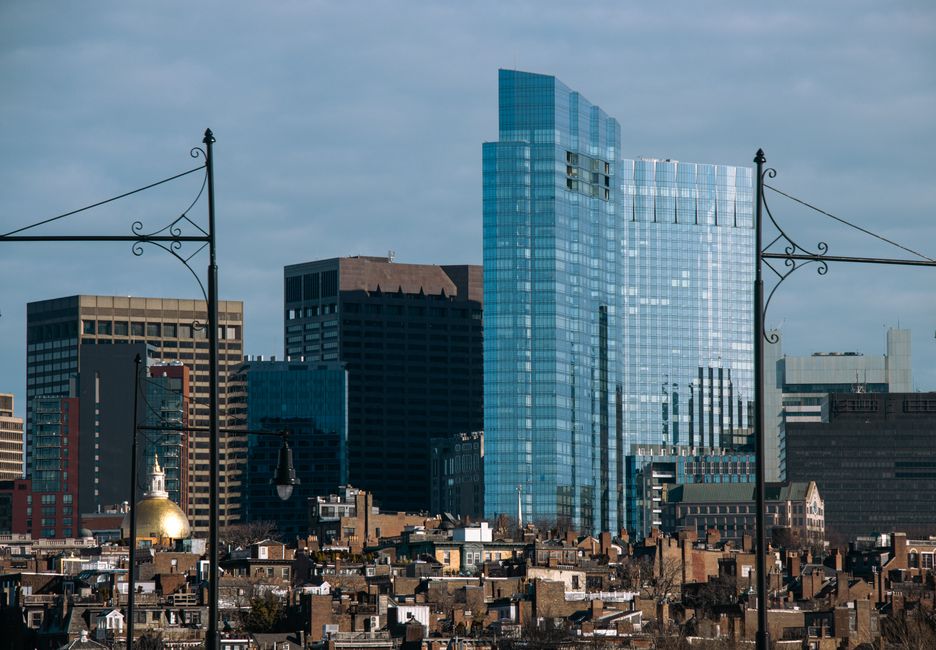
Boston’s median home price now hovers around $780,000, with Back Bay condos regularly topping seven figures. For many local renters, saving a down payment for a home along Commonwealth Avenue or near Kendall Square feels impossible. Enter "rent-vesting," an emerging strategy where Bostonians rent in the city and buy investment property in more affordable regions—sometimes far outside the Route 128 belt.
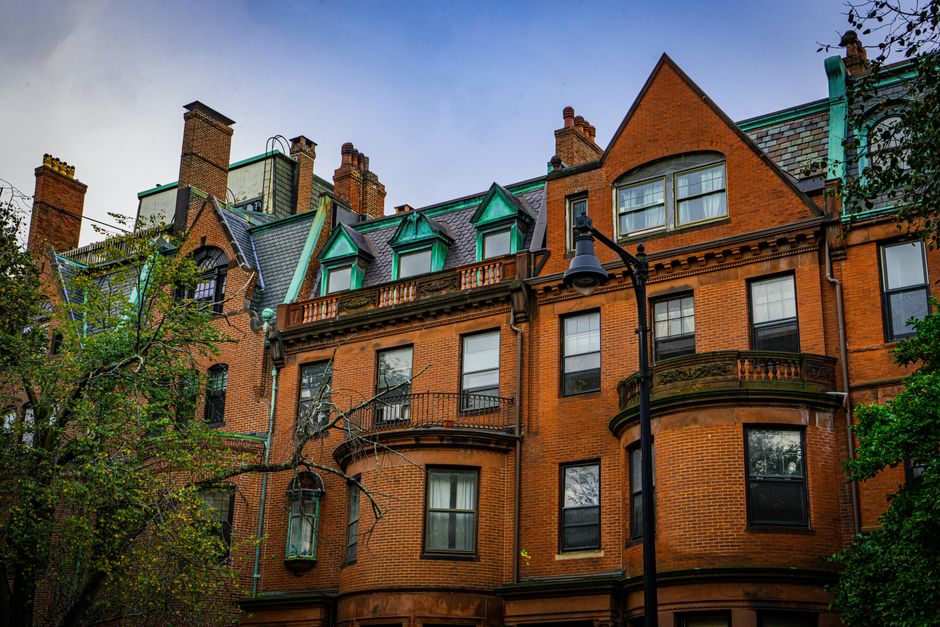
With the gap between rental and purchase affordability hitting new highs, this market context is driving change. Jobs at Mass General and MIT lure in talent, yet hefty loan balances and rising prices limit the dream of Beacon Hill brownstones. Instead, some renters are turning their gaze to Worcester or even further afield for their first property purchase. The idea: continue renting an apartment on Hemenway Street or in Central Square, but leverage whatever savings they have to buy a duplex in Fitchburg or a Cape in Leominster, collecting rental income—or simply building equity—while staying close to Boston’s best jobs and amenities.
Real estate brokers like local firm Gibson Sotheby’s are fielding more inquiries about this unconventional play. “We get new clients every month with strong incomes but no hope of buying near the T,” said one agent. Programs like the City of Boston’s ONE+Boston mortgage provide some help for first-time buyers, but are often outpaced by bidding wars, pushing more locals to look for alternative paths to homeownership and wealth creation.
Rents may be climbing, but relative to Boston’s ownership costs, they look almost reasonable. The average one-bedroom rent in South Boston this summer is $2,900, according to Zumper’s June survey. Compare that to a $150,000 down payment needed for a median-priced home, plus monthly mortgage payments (now averaging $4,570 before taxes and HOA fees at current rates). In contrast, a three-bedroom in Lawrence or Lowell still sells for under $420,000. Investors can put down as little as 15% with the right lender, then rent those units out for $2,000+ per month, supplementing their income or covering a portion of the mortgage.
For many, it’s a numbers game: by renting in Boston and buying elsewhere, they build equity for the future with far less risk. However, managing property across county lines isn’t for everyone. It requires research and sometimes a willingness to let go of the dream of instant home ownership near the L Street Bathhouse or Fenway Park.
Market watchers expect this "rent-vesting" trend to gain momentum in the coming year, especially as interest rates hover near 6.4% and condo inventory in downtown continues to tighten. Financial advisors point to local landlord meet-ups and online management platforms—such as Boston Pads or Avail—as key tools for new investors. The goal: gain a toehold in the property market without giving up the convenience of city living. For Boston’s priced-out buyers, rent-vesting offers an imperfect, but increasingly popular, solution to the city’s affordability puzzle.
How does this story make you feel?
Spread the word
About this article
Published by The Daily Boston
Daily brief
Free, in your inbox before 7am. Weekdays.
More in Property