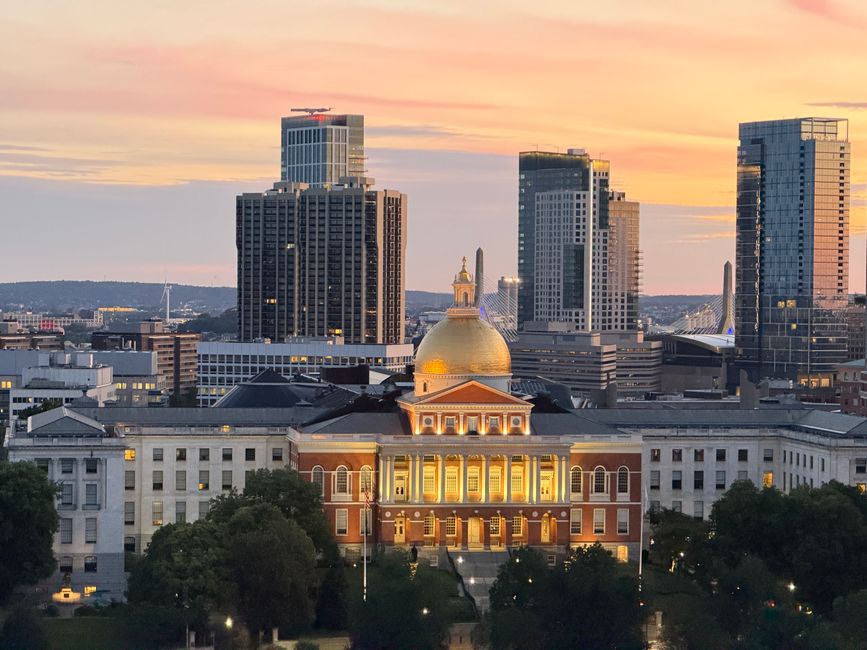
Everett emerges as a critical growth corridor suburb with new infrastructure
Bolstered by transit-oriented development and significant capital investment, the once-industrial city is shifting the regional housing focus north of the Charles River.
Bolstered by transit-oriented development and significant capital investment, the once-industrial city is shifting the regional housing focus north of the Charles River.

The landscape of Greater Boston’s real estate market is shifting northward as Everett asserts itself as a primary growth corridor. Driven by recent transit infrastructure improvements and large-scale redevelopment of former industrial zones, the city is attracting attention from developers and buyers who are increasingly priced out of traditional hubs like Back Bay or Beacon Hill. The proximity to the MBTA Orange Line expansion and the revitalization of the waterfront have repositioned the suburb as a viable alternative for those seeking modern residential stock.
The transformation is anchored by the ongoing development surrounding the Mystic River waterfront. Projects led by entities such as Wynn Resorts and local commercial developers have spurred auxiliary investment in public infrastructure, including improved road networks and pedestrian access points near the Gateway Center. The city’s collaboration with the Massachusetts Department of Transportation has prioritized better connectivity to Boston’s financial district, which currently sits just a few miles away. Neighborhood institutions, including the historic Glendon Street area, are seeing a wave of interest as residential zoning shifts to accommodate denser, mixed-use living arrangements.
For investors, the data reflects a narrowing gap between Everett and the core Boston market. While the median home price in Greater Boston remains high, current market activity in Everett suggests strong demand for multi-family units and newly converted condominiums. According to recent market reports provided by the Massachusetts Association of Realtors, the region has seen sustained price growth throughout the first half of 2026, with properties in the 02149 zip code experiencing accelerated turnover rates compared to previous years. This growth is largely fueled by university-driven demand originating from Cambridge and the surrounding biotech corridor, where employees are looking for more affordable inventory within a reasonable commuting distance.
The long-term appeal of the corridor hinges on the proposed extension of the MBTA transit network and the completion of planned municipal greenways. These projects, supported by funding from the Commonwealth of Massachusetts, aim to connect isolated residential pockets to the broader regional transit grid. Buyers and developers are closely monitoring upcoming municipal planning board hearings, which will dictate the density limits for future residential projects. Those looking to enter the market are encouraged to focus on properties within walking distance of the planned transit corridors, as these assets have historically shown the most significant appreciation as infrastructure projects move from the planning phase to active construction.
How does this story make you feel?
Spread the word
About this article
Published by The Daily Boston
Daily brief
Free, in your inbox before 7am. Weekdays.
More in Property