property
How much rent is too much? the 30% rule in practice
Boston renters weighing monthly costs against the long-standing guideline find the math shifting fast in neighborhoods where wages lag behind housing expenses.
How we reported this
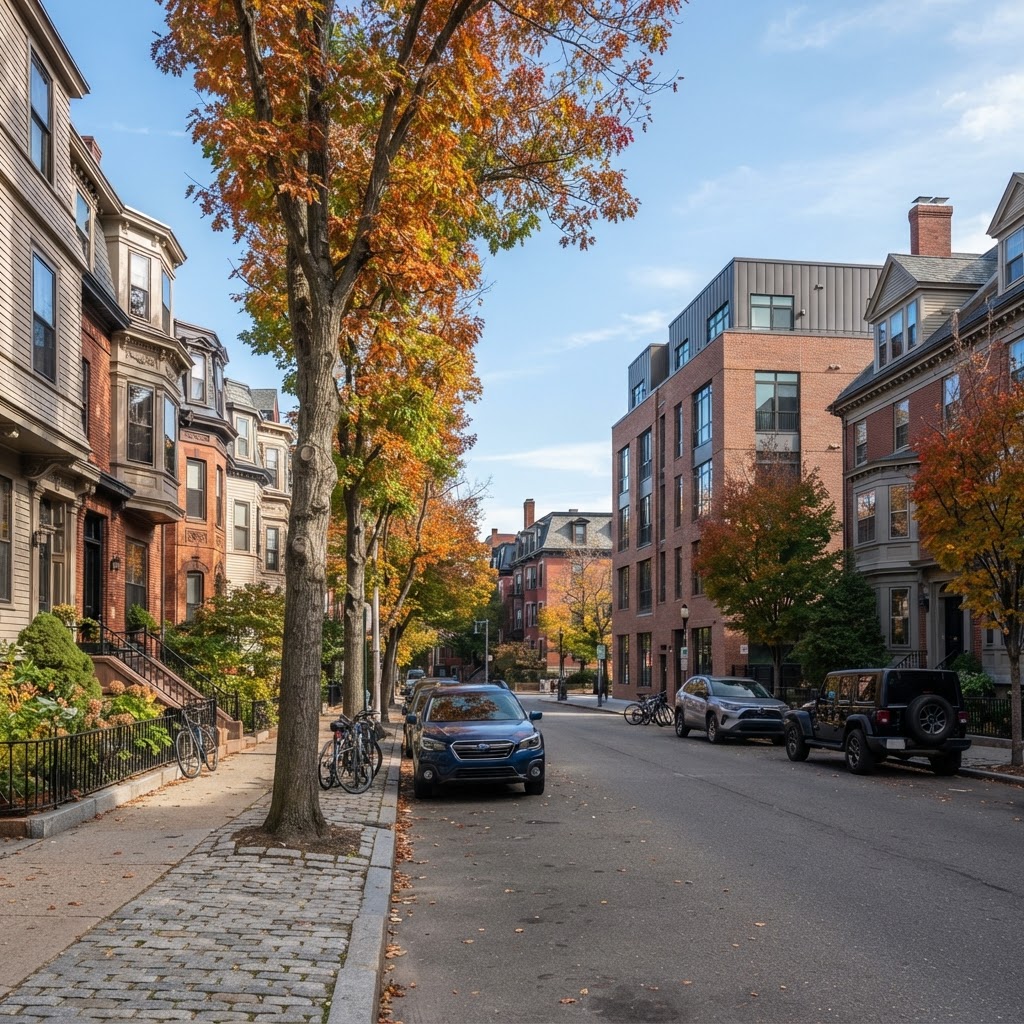
Boston tenants now face a sharper test of the 30 percent rule as median asking rents in core neighborhoods climb past $3,200 a month while local wages for many service and tech support roles hold near $65,000 a year.
The rule, long used by lenders and housing counselors to flag when shelter costs begin to crowd out other needs, matters more in 2026 because the city’s median home price sits at $780,000 and mortgage rates have kept buyer entry points elevated since spring. Households that once planned to save for a down payment on a South Boston condo now watch 35 percent or more of income disappear into rent, delaying moves into ownership.
Rent burdens on specific blocks
Walk along Broadway in South Boston and two-bedroom apartments list at $3,450, pushing a household earning the area median past the 30 percent line unless two incomes clear $115,000 combined. In Cambridge’s Kendall Square corridor, studios near the MBTA station average $2,850, a figure that forces recent graduates on university-linked stipends to room with others or seek units farther out in Somerville’s Union Square. The Boston Housing Authority’s voucher program and the city’s inclusionary development policy both track these thresholds, yet supply remains tight even after new buildings opened along the Seaport Boulevard extension this spring.
Data from the Greater Boston Real Estate Board’s June report shows studio rents rose 6 percent year-over-year while one-bedroom units in Back Bay posted a median of $3,100. That places the 30 percent cutoff at roughly $124,000 annual income for a single renter, a level reached by only 38 percent of city households according to the latest American Community Survey release. Buyers who clear the income test still confront 20 percent down-payment requirements that add another $156,000 cash hurdle on a typical $780,000 property.
Next steps for local households
Residents tracking listings on sites tied to the Massachusetts Association of Realtors can run their own numbers against the 30 percent line before signing leases that lock in rates through 2027. Those nearing the threshold have begun checking first-time buyer programs administered through the Massachusetts Housing Partnership, which offer down-payment assistance capped at 5 percent of purchase price for income-qualified applicants in designated Boston zip codes.
This article is general information only and is not personal financial or investment advice. Consider your own circumstances and seek licensed professional advice before making financial decisions.