Boston Seaport District Housing: $20B Waterfront Redevelopment Impact
Boston's Seaport District waterfront redevelopment has added 8,000 units since 2015, but median apartment prices hit $1.2M. Here's what it means for housing affordability.
Boston's Seaport District waterfront redevelopment has added 8,000 units since 2015, but median apartment prices hit $1.2M. Here's what it means for housing affordability.
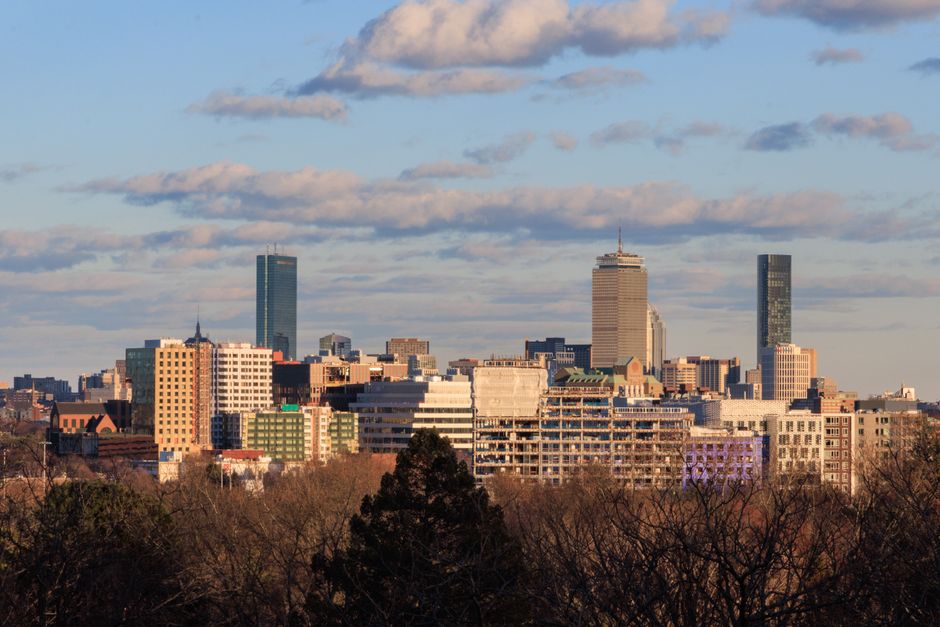
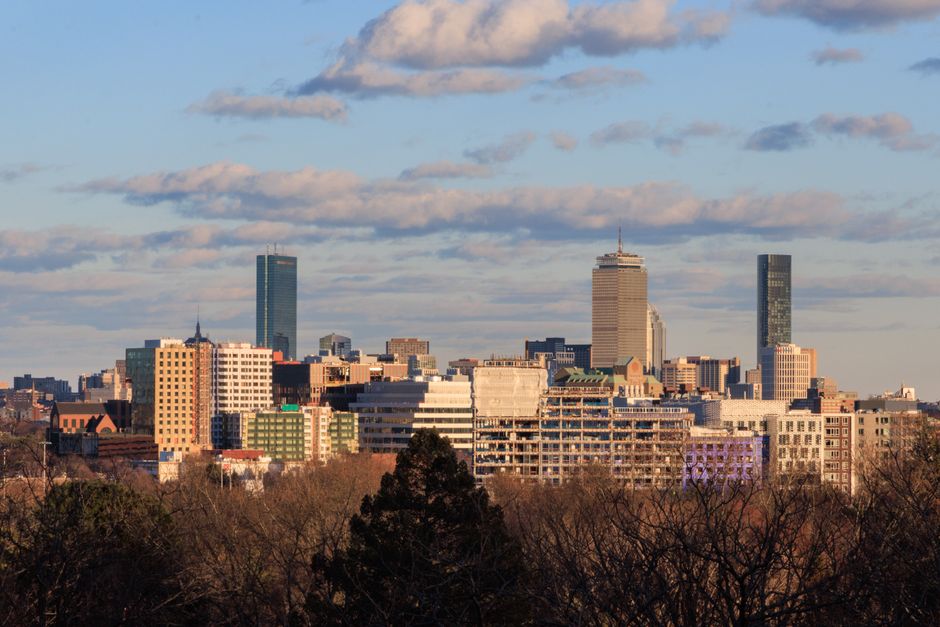
Boston's property landscape is undergoing a seismic shift as major waterfront redevelopment projects reshape the city's residential character. The Seaport District, once a neglected industrial zone, has emerged as the epicenter of Boston's contemporary urban renewal story—and the implications for housing availability and affordability are proving complex for local buyers.
The transformation is staggering by the numbers. Since 2015, over $20 billion in development has been committed to Boston's waterfront precincts, with the Seaport District alone accounting for nearly 8,000 new residential units either completed or under construction. Yet the median price of new apartments in the district has climbed to $1.2 million, a figure that has sent shockwaves through the broader metro area.
"What we're seeing is a fascinating paradox," explains local development analyst Michael Chen. "While we're building at unprecedented rates, the product being delivered is almost exclusively high-end. The missing middle housing that could serve young professionals and growing families remains elusive."
The numbers tell the story. According to recent data from the Boston Planning Board, just 12% of new residential units approved across Seaport, Back Bay waterfront, and the Innovation District carry affordability restrictions. Meanwhile, median home prices across greater Boston have climbed to $625,000, with inventory tightening in family-friendly precincts like Brookline ($850,000 median) and Cambridge ($920,000).
However, the development surge is creating unexpected ripple effects. Gentrification pressures in surrounding neighborhoods—particularly South Boston and the Fort Point Channel area—have accelerated, with property values in these traditionally working-class precincts appreciating 18-22% annually over the past three years.
The city's planning department has begun responding. New guidelines requiring 15% affordability in large mixed-use projects take effect next year, though developers argue the requirement could slow momentum. Several major projects in the Harbor View and Channel District are already being redesigned to incorporate more diverse housing types.
For Boston's property market, the waterfront renaissance represents both opportunity and challenge. Investors eyeing the periphery—particularly emerging neighborhoods near transit corridors in Somerville and Jamaica Plain—are positioning themselves ahead of secondary wave gentrification. Yet first-time buyers face an increasingly crowded marketplace, with median apartment prices in popular precincts now exceeding single-family homes of a decade ago.
As shovels hit ground across multiple waterfront mega-projects slated for 2026-2028 completion, one question dominates local conversation: will Boston's growth translate into genuine housing diversity, or will the city's transformation remain accessible only to the affluent?
This article was compiled by AI and screened before publishing. See our editorial standards.
How does this story make you feel?
Spread the word
About this article
Published by The Daily Boston
Daily brief
Free, in your inbox before 7am. Weekdays.
More in Property