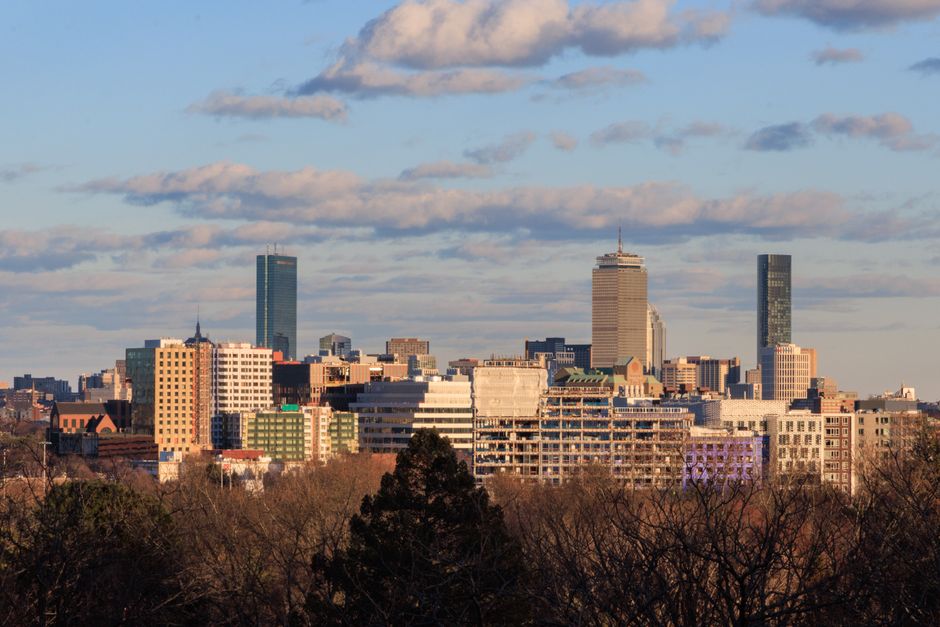
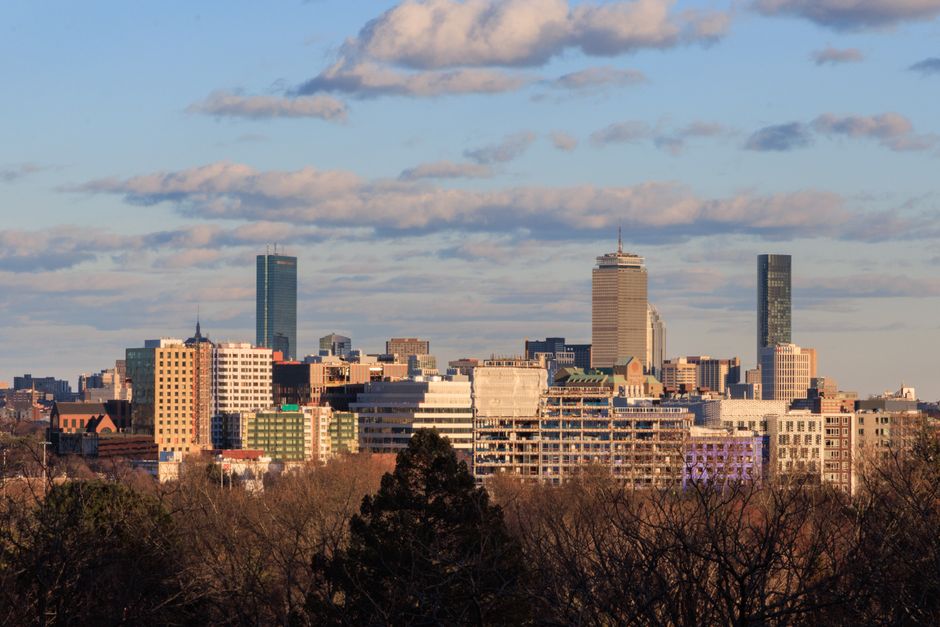
Somerville has long played second fiddle to its glitzier neighbour Cambridge, but Boston-area property investors are quietly rewriting that narrative. Recent market data shows median home prices in Somerville have surged to $687,000, representing a 12% year-on-year increase, while rental yields remain compelling for portfolio builders seeking steady income streams.
The shift centres on two interconnected factors: infrastructure investment and demographic migration. The completion of the Green Line Extension in 2021 has fundamentally altered commute patterns, with Union Square and Assembly Square precincts now offering direct transit access to downtown Boston in under 25 minutes. For professionals priced out of Back Bay and Beacon Hill, this connectivity changes the calculus entirely.
"What we're seeing is a flight to value," explains local property analyst David Chen. "Buyers can secure a two-bedroom townhouse in Somerville's thriving Davis Square precinct for $580,000–$620,000, compared to $850,000+ for equivalent stock in nearby Cambridge. That $250,000 delta is impossible to ignore."
Davis Square itself has emerged as the suburb's golden child. The leafy neighbourhood boasts independent cafés, vintage bookshops, and pedestrian-friendly streetscapes that appeal to young professionals and growing families alike. Property turnover here averages 18–24 months, substantially shorter than the broader Boston metro average, signalling strong buyer confidence.
Assembly Square tells a different investment story. Once an industrial brownfield, the 22-acre mixed-use development now features residential towers, retail precincts, and office space. New apartments command premium rents—$2,100–$2,400 monthly for one-bedroom units—attracting investor attention from those seeking capital appreciation through rental income during a period of moderating home price growth elsewhere.
However, opportunities won't remain hidden indefinitely. Planning documents reveal Somerville's commitment to adding 1,200+ housing units over the next five years, with particular focus on the Inner Belt and Broadway corridors. While increased supply typically moderates price growth, early-mover investors positioned in established precincts like Winter Hill and Powder House Square could benefit from gentrification dynamics before broader market saturation occurs.
For buyers seeking entry points without the stratospheric prices of inner Boston, Somerville represents a rare convergence of affordability, connectivity, and community vitality. The question for investors isn't whether Somerville will appreciate—it's whether they can secure inventory before sentiment shifts entirely.
This article was compiled by AI and screened before publishing. See our editorial standards.