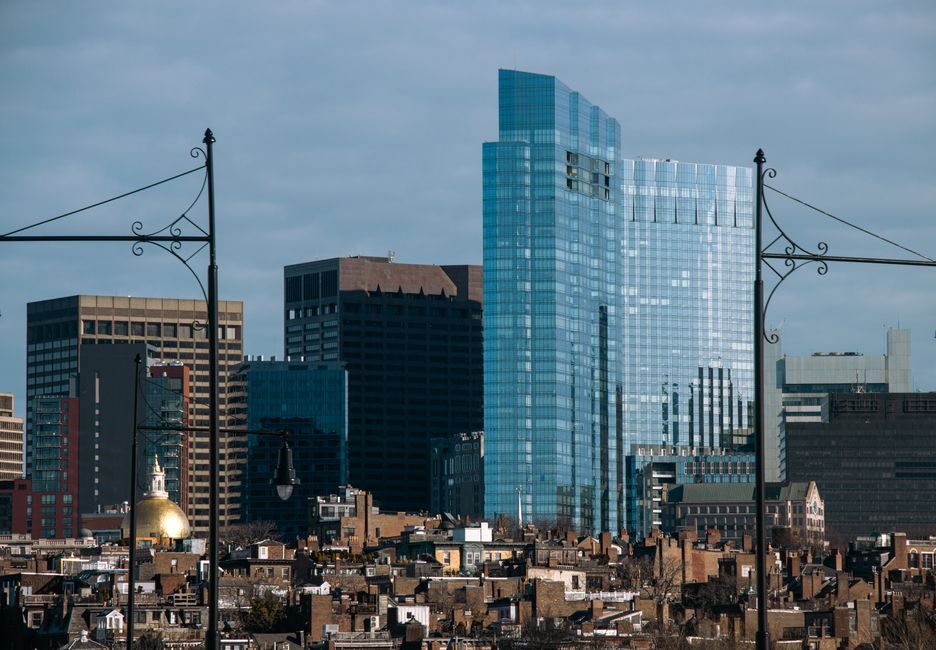
Young Families Flee Boston Center for Affordable Suburban Homes
As downtown Boston prices hit record highs, first-time buyers and growing families are discovering hidden value in outer suburbs like Medford, Arlington, and Revere.
As downtown Boston prices hit record highs, first-time buyers and growing families are discovering hidden value in outer suburbs like Medford, Arlington, and Revere.
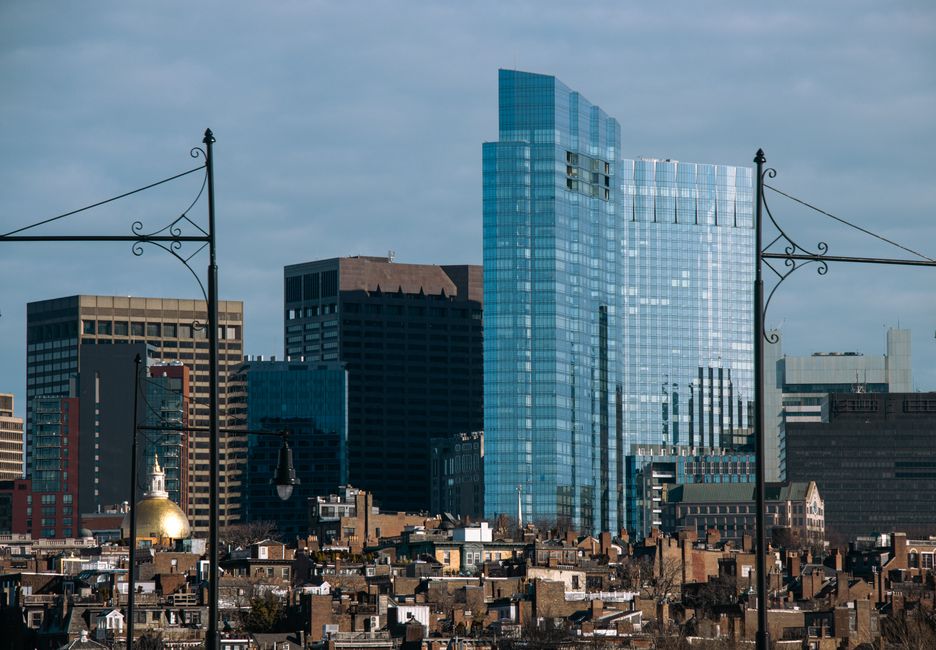
Boston's property market is experiencing a significant realignment as buyers increasingly look beyond the city's traditionally expensive core neighbourhoods. According to recent market analysis, the median home price in central Boston has climbed to $725,000, pushing many first-time buyers and young families to explore alternatives in surrounding suburbs where comparable properties sell for 30–40% less.
The shift is particularly pronounced in areas like Medford and Arlington, where median prices hover around $485,000 to $520,000 respectively. These neighbourhoods are increasingly attractive to buyers priced out of Beacon Hill, Back Bay, and Cambridge, which have seen median values exceed $900,000 in recent months. Real estate agents report that homes in these outer suburbs are moving faster than ever, with average days-on-market dropping from 45 days last year to just 28 days in 2024.
"Buyers are becoming smarter about the maths," says local property analyst Maria Chen. "Why pay $800,000 for a modest two-bedroom in the city centre when you can get a four-bedroom colonial with outdoor space in Revere for $550,000? The commute calculus has completely changed, especially post-pandemic."
Revere, traditionally overlooked by Boston buyers, is experiencing a genuine renaissance. With median prices around $420,000 and ongoing waterfront development, the neighbourhood is attracting young professionals and families seeking character homes near the beach. Similarly, Somerville—once considered beyond the pale for serious buyers—has transformed into a hotspot, with prices rising but still offering better value than adjacent Cambridge.
However, experts warn that this suburban surge may not last indefinitely. Building approvals remain sluggish across Massachusetts, limiting new housing supply just as demand intensifies. This scarcity could push suburban prices upward rapidly, potentially erasing the current affordability advantage within 18–24 months.
The market forecast for Boston's next 12 months suggests continued migration toward suburbs, with particular strength expected in areas with good public transport links and established community infrastructure. Properties within a 20-minute commute to downtown Boston via the T network are expected to appreciate 4–6% annually, while inner-city properties may see growth slow to 2–3% as demand softens.
For first-time buyers still undecided, the window for accessing quality suburban properties at reasonable prices remains open—but it's closing. Market timing has rarely been more important in Boston's competitive landscape.
This article was compiled by AI and screened before publishing. See our editorial standards.
How does this story make you feel?
Spread the word
About this article
Published by The Daily Boston
Daily brief
Free, in your inbox before 7am. Weekdays.
More in Property