Boston's Running, Cycling and Triathlon Clubs Are Thriving—and They're Building Genuine Community
From Beacon Hill to the Emerald Necklace, local endurance sport clubs are creating meaningful connections that extend far beyond race day.
From Beacon Hill to the Emerald Necklace, local endurance sport clubs are creating meaningful connections that extend far beyond race day.
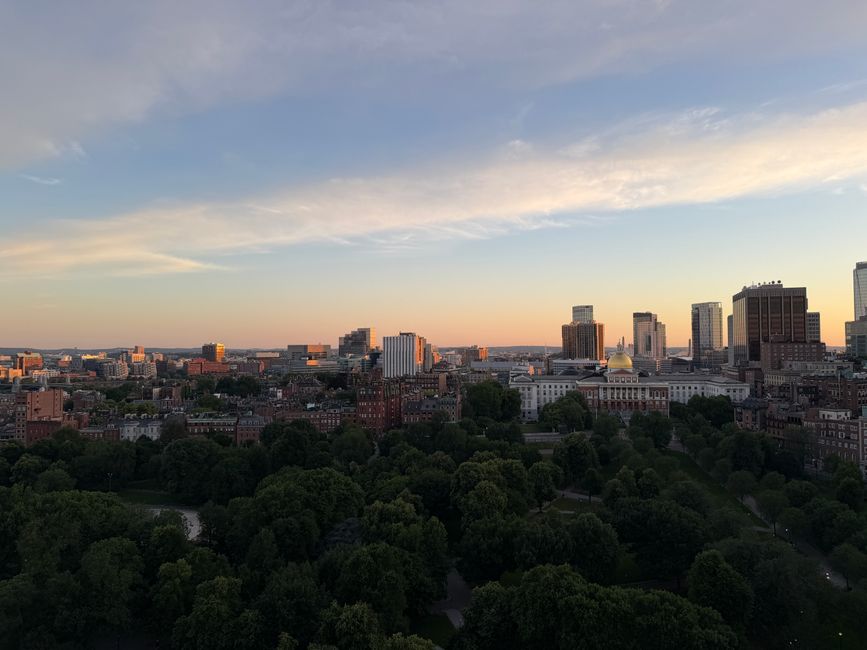
On any given Tuesday evening, you'll find dozens of runners converging on the Esplanade, cyclists rolling through Cambridge, and triathletes training at pools across the city. What unites them isn't just a shared passion for endurance sport—it's the clubs and communities that have become the backbone of Boston's fitness culture.
The Boston Athletic Association, which has anchored the city's running scene for over a century, continues to thrive with membership approaching 2,000, according to club leadership. But newer organizations are reshaping how locals engage with triathlon and cycling. The Charles River Wheelmen, one of New England's oldest cycling clubs, has expanded significantly, with weekly group rides departing from multiple neighborhoods—Beacon Hill, Jamaica Plain, and Watertown—to accommodate growing membership.
"What's happening now is different," says one local cycling advocate. "These clubs aren't just about hitting personal records. They're about neighborhoods getting to know each other."
The Boston Triathlon Club, which meets regularly at the Reebok headquarters in Boston Landing, has grown to over 600 active members in the past three years. Most sessions cost between $8 and $15 per workout, making sustained training accessible compared to high-end coaching fees that can exceed $200 monthly. The club organizes open-water swimming sessions at Walden Pond starting in July, brick workouts combining running and cycling near the Esplanade, and monthly long runs through Jamaica Plain.
Community-focused initiatives distinguish these organizations. The Run Boston club, which gathers at various Greenway locations, offers beginner-friendly paces and deliberately structures routes to include coffee stops in different neighborhoods—a strategy that's brought fresh foot traffic to local cafés from Roslindale to the North End. Meanwhile, women-specific cycling groups like Sisters on Bikes have created safe, welcoming spaces for female riders, with Tuesday evening rides typically attracting 30 to 50 participants.
Race day participation tells its own story. Last year's Boston Marathon saw record volunteer engagement, while the annual Boston Triathlon drew over 2,000 competitors—nearly double the turnout from five years ago. Local clubs point to sustained grassroots growth as the primary driver.
These clubs have also become civic anchors during tough moments, organizing charity rides and runs that have raised hundreds of thousands for local food banks and youth programs. For a city grappling with housing costs and community fragmentation, Boston's endurance sport clubs are proving that shared physical challenge can forge lasting bonds.
Whether you're logging your first 5K or eyeing an Ironman, Boston's club landscape offers something increasingly rare: genuine, affordable community built on movement and mutual encouragement.
This article was compiled by AI and screened before publishing. See our editorial standards.
How does this story make you feel?
Spread the word
About this article
Published by The Daily Boston
Daily brief
Free, in your inbox before 7am. Weekdays.
More in Sport