From Dorchester to Downtown: How Boston's Soccer Clubs Are Thriving and Building Community
As youth participation hits record highs, local clubs are transforming neighbourhoods and creating pathways for the next generation of athletes.
As youth participation hits record highs, local clubs are transforming neighbourhoods and creating pathways for the next generation of athletes.
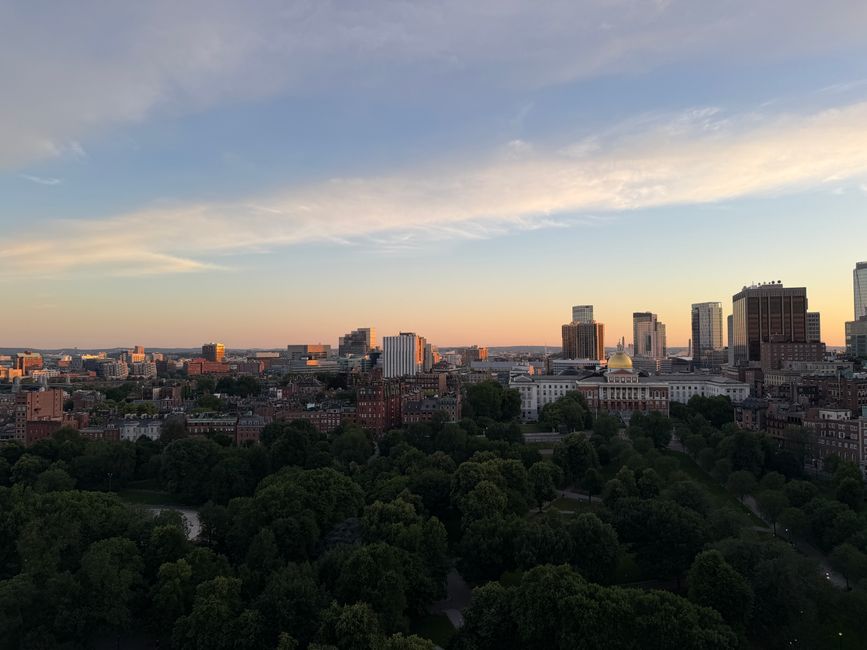
Walk through Moakley Park on any Saturday morning and you'll witness the quiet revolution reshaping Boston's sporting landscape. Where basketball courts once dominated the Dorchester waterfront, soccer fields now buzz with activity—forty matches across multiple age groups, hundreds of young players in club colours, families spread across the grass with thermoses of coffee.
This scene has become emblematic of a broader transformation across Boston's five neighbourhoods. The Boston Youth Soccer League, which operates programmes across Roxbury, Jamaica Plain, Mattapan, and East Boston, reports a 34 per cent increase in registered players since 2022, now serving over 8,400 young athletes annually. The investment reflects something deeper than statistical growth: a fundamental shift in how communities are organising themselves around sport.
"Football gives kids structure and belonging," says a programme coordinator at one of the city's largest clubs, speaking on the condition of anonymity due to organisational policy. "In neighbourhoods where resources are stretched, having a local team means everything."
The economics tell part of the story. Annual registration fees average £145 per player, with scholarship programmes covering roughly 40 per cent of participants unable to pay full cost. Multiple clubs now operate sliding-scale fee structures, ensuring socioeconomic status doesn't determine access. This philosophy has rippled outward: six neighbourhood clubs have partnered with the Boston Parks and Recreation Department to secure facility access, reducing infrastructure barriers that historically excluded lower-income communities.
Infrastructure improvements have been tangible. The renovation of Columbus Park in East Boston, completed last year, created two full-sized pitches and a training facility now hosting youth programmes six days weekly. Similar projects are underway at Franklin Park in Jamaica Plain and Victory Road in Roxbury, collectively representing nearly £2.1 million in municipal investment.
Beyond facilities, clubs are becoming genuine community anchors. They're operating summer camps, organising parent volunteer networks, hosting integration programmes for new immigrant families, and creating pathways to collegiate sport. Several clubs now employ coaches from their own neighbourhoods, generating local employment and ensuring representation matters on the sideline as well as on the pitch.
As Boston competes for attention with established American sports culture, these neighbourhood clubs are proving that football's global appeal translates powerfully at the grassroots level. They're not waiting for top-down development—they're building it themselves, one match, one season, one community at a time.
This article was compiled by AI and screened before publishing. See our editorial standards.
How does this story make you feel?
Spread the word
About this article
Published by The Daily Boston
Daily brief
Free, in your inbox before 7am. Weekdays.
More in Sport