From Roxbury to Beacon Hill, Boston's Soccer Clubs Score Big Off the Pitch
As youth participation surges 23% in three years, local football clubs are becoming anchors of neighbourhood identity and social cohesion across the city.
As youth participation surges 23% in three years, local football clubs are becoming anchors of neighbourhood identity and social cohesion across the city.
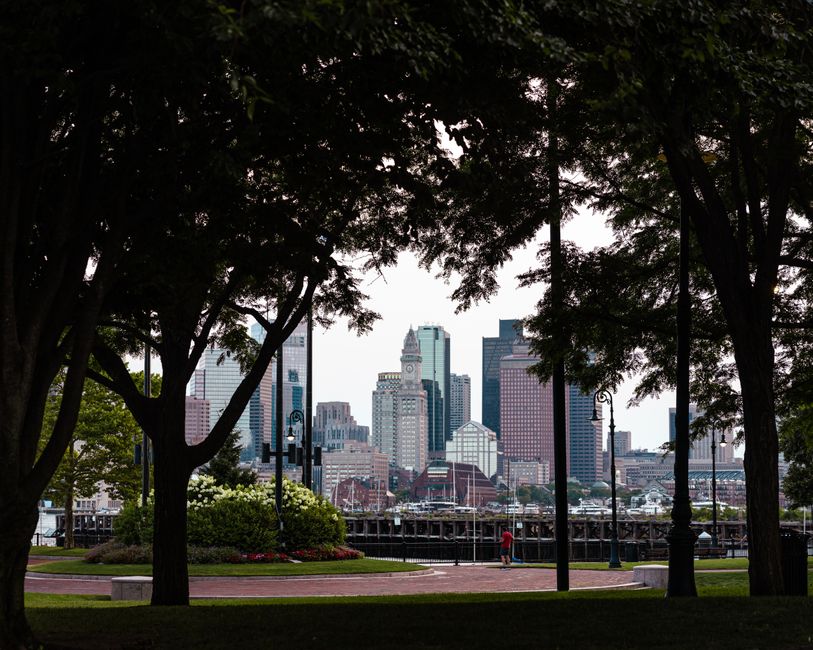
Walk past the synthetic pitch at Moakley Park in Dorchester on any summer evening, and you'll witness the transformation that's been sweeping Boston's soccer landscape. Teams in burgundy and gold—the colours of the newly launched Dorchester United FC—work drills under fading sunlight while parents gather on the sidelines, many speaking Spanish, Portuguese, and Haitian Creole. This is community football at its most vital.
The numbers tell a compelling story. Youth soccer participation across Boston's municipal leagues has climbed 23% since 2023, according to data from the Boston Parks and Recreation Department. More tellingly, club membership in neighbourhoods like Roxbury, Jamaica Plain, and East Boston has nearly doubled, suggesting that football is no longer just a game here—it's becoming infrastructure for social connection.
"We're seeing families invest in their local clubs in ways we haven't seen before," says the operational director at one Southie-based organization, which runs four competitive teams and a community academy serving 180 young players. Annual membership fees range from $150 for recreational leagues to $1,200 for competitive developmental squads, yet waitlists stretch into autumn.
The success stems partly from conscious community focus. Clubs operating from facilities like the Reservation in Jamaica Plain and Carson Beach in South Boston have embedded themselves into neighbourhood rhythms. Many now offer not just training but homework support, mental health resources through partner organizations, and pathways for scholarship opportunities at regional universities.
Brighton-based Allston Athletic has become emblematic of this shift. Founded five years ago with 40 members, the club now runs six teams across age groups and abilities, occupies reserved time at nearby Herrnstein Field, and has partnered with local schools to create feeder programs. Their annual summer tournament draws 800 spectators—a gathering that's become as much about neighbourhood celebration as competition.
The economic impact ripples outward. Local restaurants near training facilities report increased traffic on match days. Small businesses have begun sponsoring kits and equipment. Equipment retailers on Newbury Street and in Brookline Village report that youth soccer gear comprises their fastest-growing category.
Perhaps most significantly, these clubs are becoming civic anchors. They're spaces where newly arrived families integrate, where teenagers from different postcodes collaborate toward shared goals, where the language barrier dissolves into the universal vocabulary of the beautiful game.
As Boston's soccer infrastructure continues to mature—with talk of additional community facilities in Mattapan and Charlestown—the clubs themselves have already demonstrated something essential: that sport, organized locally and rooted in neighbourhood identity, remains one of the city's most powerful tools for building genuine community.
This article was compiled by AI from the sources linked above and screened before publishing. See our editorial standards.
How does this story make you feel?
Spread the word
About this article
Published by The Daily Boston
Daily brief
Free, in your inbox before 7am. Weekdays.
More in Sport