Boston's Soccer Infrastructure Boom: How City Venues Are Leveling Up to Meet Growing Demand
From Dorchester to the Seaport, investments in pitches and facilities are transforming how the region plays the world's most popular sport.
From Dorchester to the Seaport, investments in pitches and facilities are transforming how the region plays the world's most popular sport.
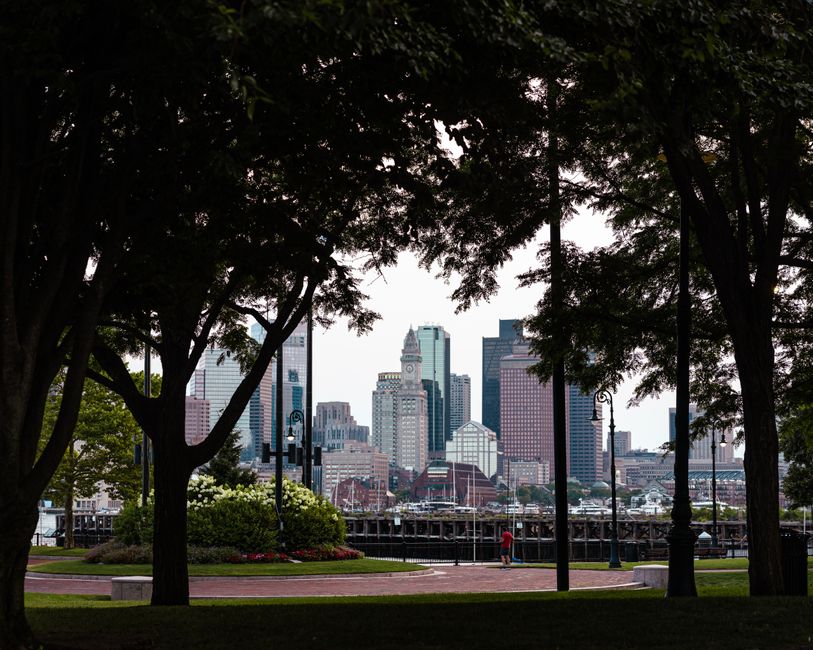
Boston's soccer landscape has undergone a quiet revolution over the past three years, with significant capital flowing into facilities that are reshaping how the city's growing fan base experiences the beautiful game. The transformation reflects both demographic shifts and a recognition that infrastructure investment pays dividends—particularly as youth participation in soccer continues to outpace baseball and basketball in New England.
The most visible sign of this infrastructure evolution is the redevelopment of facilities in Jamaica Plain and Dorchester. The city's Parks and Recreation Department has invested approximately $8.2 million in pitch upgrades since 2024, including synthetic surfaces at Franklin Park and improvements to the Moakley Park complex on the Southie waterfront. These aren't merely cosmetic upgrades; synthetic fields extend playing seasons and accommodate the region's unpredictable spring weather, allowing clubs to operate year-round training programs that previously seemed impossible.
Downtown, the Seaport District has emerged as an unexpected hub for professional and semi-professional soccer. The recently expanded Sports Complex on Seaport Boulevard now hosts training facilities for regional clubs competing in the USL Championship and developmental leagues. Arena operators have noted that soccer-specific infrastructure—including proper drainage systems, tiered spectator seating, and equipment storage—requires different engineering than traditional multipurpose venues, reflecting how seriously the city is taking the sport's operational requirements.
What's particularly notable is community-level investment. Local nonprofit organizations like the Boston Youth Soccer League have partnered with the city to create satellite training centers in underserved neighborhoods. The Roxbury Soccer Initiative, launched in partnership with community organizations, has developed three neighborhood-based facilities offering subsidized access to youth aged 5-18. Participation fees range from $150 to $300 per season—considerably below the $400-600 typical of suburban club programs.
However, challenges persist. Field availability during peak hours remains constrained, with many clubs reporting waitlists for evening and weekend slots. The University of Massachusetts Boston and Boston College athletic departments control significant pitch inventory, but access agreements with community organizations remain inconsistent across campus facilities.
Looking ahead, city officials are eyeing further developments, including a proposed all-weather training facility near the Neponset River Greenway. Such infrastructure investments signal that Boston recognizes soccer's trajectory: the sport now represents roughly 28 percent of youth athletic participation citywide, up from 18 percent a decade ago. For a region historically defined by baseball and basketball, the facilities boom underscores a fundamental demographic and cultural shift reshaping how Boston plays.
This article was compiled by AI from the sources linked above and screened before publishing. See our editorial standards.
How does this story make you feel?
Spread the word
About this article
Published by The Daily Boston
Daily brief
Free, in your inbox before 7am. Weekdays.
More in Sport