From Garage Workouts to Movement: How Boston's Grassroots Fitness Revolution Built Community
A decade-long shift from corporate gyms to neighborhood-led training collectives has transformed how Bostonians approach fitness—and each other.
A decade-long shift from corporate gyms to neighborhood-led training collectives has transformed how Bostonians approach fitness—and each other.
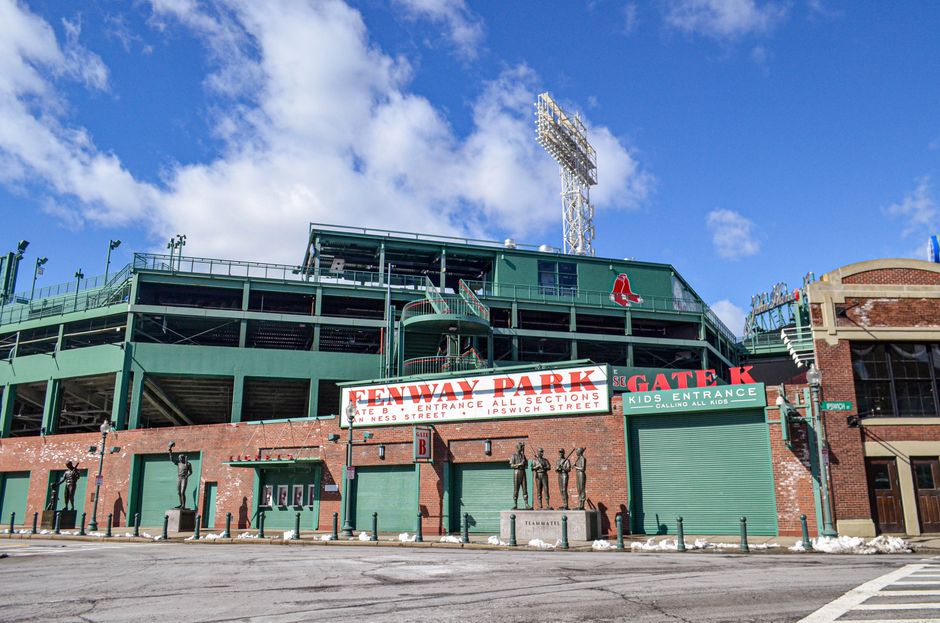
Walk through Fort Point Channel on any Saturday morning and you'll find them: clusters of runners, cyclists, and strength athletes gathering outside converted warehouses and community centres, their energy impossible to miss. What started as informal fitness meetups in basements and parks has evolved into Boston's most dynamic wellness movement—one built not by franchise gyms or venture capital, but by neighbours who decided their community deserved better than expensive memberships and isolation.
The shift reflects a broader pattern. According to recent data from the Massachusetts Fitness Association, independent and community-run fitness spaces have grown 34 percent across Greater Boston since 2020, while major chain gym memberships have plateaued. Average monthly membership costs at corporate facilities now exceed $85, pricing out working-class residents. By contrast, community collectives operating from Dorchester to Jamaica Plain charge between $20 and $45 monthly—or operate entirely on donation models.
"People were tired of paying for spaces they felt disconnected from," says the founder of Bridgewater Strength, a grassroots collective that transformed an abandoned storefront on Washington Street in Roxbury into a thriving training hub. What began in 2019 with twelve members has grown to over 400 active participants, offering classes ranging from Olympic lifting to dance cardio, all self-managed and volunteer-led.
The movement reflects deeper values. Unlike traditional gyms optimized for individual achievement, these spaces prioritize accountability and belonging. Members train alongside coworkers, neighbours, and friends. Some collectives explicitly prioritize underrepresented groups in fitness—women's strength workshops, LGBTQ+-affirming spaces, and programs specifically designed for older adults reshaping what "fitness culture" means in Boston.
Revenue models vary: some operate through sliding-scale memberships, others through fundraising and donated equipment. The South Boston Community Athletics Project, established in 2021, partners with city youth centres and libraries to provide free access. Cambridge's Fitness Forward collective charges members based on income, generating enough to pay stipends to instructors and maintain their space on Main Street.
Local entrepreneurs have also emerged. Personal trainers and coaches who previously worked for chains now operate independently, building sustainable solo practices. Monthly rates for individual training hover around $60-80, undercutting corporate gym rates while offering personalized attention.
This grassroots movement hasn't gone unnoticed by city planners. Boston's Office of Equity is now exploring how to formally support community fitness initiatives through municipal grants and facility access. It's recognition that real wellness infrastructure isn't built from above—it grows from sidewalks and storefronts where people decide to show up for each other.
This article was compiled by AI and screened before publishing. See our editorial standards.
How does this story make you feel?
Spread the word
About this article
Published by The Daily Boston
Daily brief
Free, in your inbox before 7am. Weekdays.
More in Sport