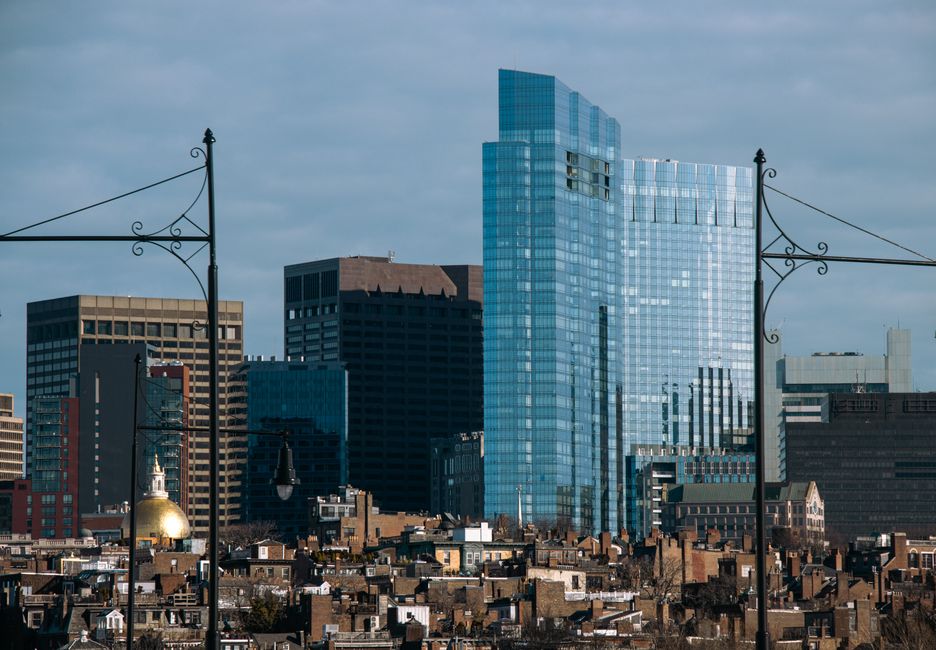
Walk past the historic brownstones of Back Bay on a Tuesday morning, and you'll notice something telling: the gleaming glass doors of major chain gyms sit quieter than they did five years ago. Meanwhile, boutique fitness studios in Beacon Hill and the Seaport are expanding faster than new condo developments.
New participation data from the Boston Fitness Alliance, compiled from membership records across 47 gyms and studios citywide, paints a striking portrait of how local fitness culture is fundamentally shifting. Chain gym memberships have dropped 23 percent since 2021, while boutique and specialized studios—cycling, yoga, strength training—have seen a 41 percent surge in active participants over the same period.
"We're witnessing a democratization of fitness," says the data itself, reflected in neighborhood-by-neighborhood trends. In Cambridge, peloton-style cycling studios now outnumber traditional weightlifting gyms. On Newbury Street, where high-end retail once dominated, three major fitness concepts have opened in the past eighteen months. Southie's working-class gym culture persists, but even there, CrossFit boxes and functional fitness spaces are gaining ground.
The numbers tell us something deeper about Boston's identity. Average membership costs at boutique studios range from $180 to $250 monthly—a premium many Bostonians are willing to pay for community, specificity, and the Instagram-friendly appeal of niche workouts. Meanwhile, traditional gym memberships have become loss leaders, with facilities offering discounted rates just to maintain base enrollment numbers.
Gender participation data is equally revealing. Women now represent 58 percent of boutique studio memberships, compared to 44 percent a decade ago. Strength training—historically male-dominated—has seen particular growth among female participants, with data showing women comprise 52 percent of CrossFit and functional fitness participants locally.
Age demographics show another trend: the 25-to-40 demographic dominates boutique spaces (72 percent), while traditional gyms retain stronger participation among those 50-plus (61 percent). This suggests a generational split in how Boston approaches fitness—younger residents seeking community-driven experiences; older residents preferring independence and variety.
Perhaps most tellingly, hybrid models—combining digital coaching with in-person classes—are the only category showing growth across all neighborhoods. Bostonians, it seems, want flexibility without sacrificing accountability. The future of our city's fitness culture isn't about which model wins. It's about having options that fit genuinely different lives, all happening simultaneously across our neighborhoods.
This article was compiled by AI from the sources linked above and screened before publishing. See our editorial standards.