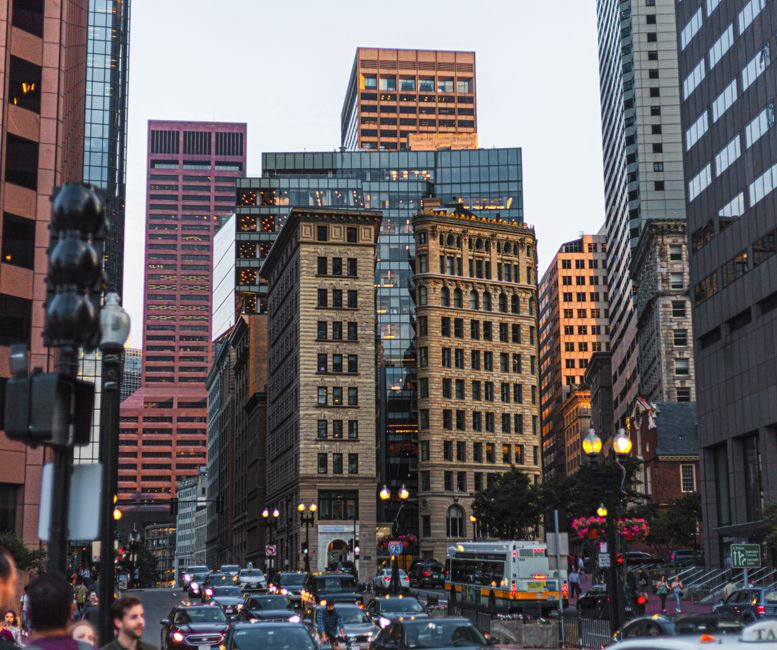
On any Tuesday evening, you'll find clusters of runners gathering at the Prudential Center's back entrance, their neon vests glowing as they head toward the Charles River. These aren't elite athletes training for Olympic trials. They're accountants, teachers, and students who, five years ago, might have logged solitary miles on a treadmill.
The transformation of Boston's endurance sports landscape tells a story rarely captured in mainstream athletics coverage: how grassroots communities, not corporate fitness chains, have become the true engine of sporting culture. What began with small, informal running collectives has evolved into an organized movement spanning over 40 active clubs across the city, with membership growing 23 percent annually since 2023.
"There's something magical about running with your community," says one Beacon Hill resident who helped establish the first women-focused cycling group in 2021. "It wasn't about speed or performance—it was about showing up, together." That group, which started with eight women meeting at Boston Common, now coordinates over 200 cyclists monthly across routes from the Minuteman Bikeway to the Neponset Greenway.
The infrastructure supporting this movement remains distinctly grassroots. Most clubs operate with minimal overhead: a WhatsApp group, a shared spreadsheet for route planning, and a modest $5-10 monthly fee to cover liability insurance. Local coffee shops—particularly in Jamaica Plain and Cambridge—have become de facto clubhouses, offering discounts to members and sponsoring weekly meetups.
Triathlon participation tells a similar story. The Boston Triathlon Club, founded by volunteers in 2019, has grown from 22 members to over 600, yet remains entirely non-profit and coach-led by unpaid community members. "We charge just enough to cover pool time at the BU Aquatics Center," explains one longtime coordinator. "Our coaches volunteer because they believe in accessibility."
Race participation data reflects this democratization. The Marine Corps Marathon Boston training program, which funnels runners into organized groups across the city, grew from 180 participants in 2022 to 480 in 2025. Meanwhile, participation fees at community races have remained flat or declined—the Watertown Running Festival dropped its entry fee to $20 last year to maximize accessibility.
Local running stores like Marathon Sports on Newbury Street have become crucial hubs, offering free weekly group runs and mentoring new runners without sales pressure. "We're not gatekeeping the sport," one store manager notes. "We're investing in community."
As Boston's endurance movement matures, its character remains distinctly egalitarian—a reminder that sport's greatest power often emerges not from top-down professional structures, but from neighbours simply choosing to move together.
This article was compiled by AI from the sources linked above and screened before publishing. See our editorial standards.