Boston's Amateur Leagues Are Thriving—and They're Doing Far More Than Just Winning Games
From the Charles River to Jamaica Plain, local sports clubs are weaving together neighbourhoods and creating the kind of community bonds that money can't buy.
From the Charles River to Jamaica Plain, local sports clubs are weaving together neighbourhoods and creating the kind of community bonds that money can't buy.
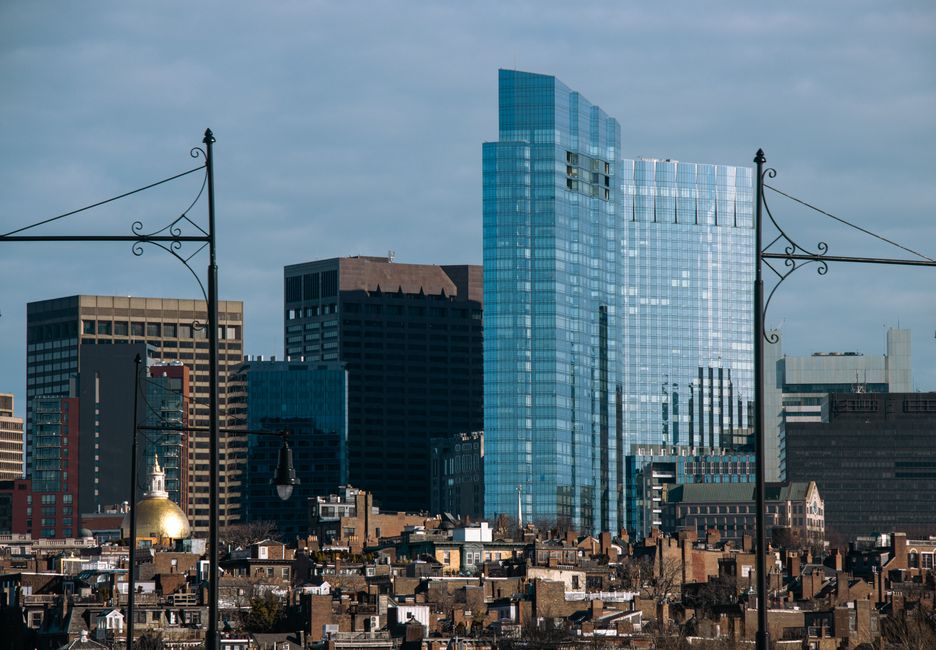
On Tuesday evenings, the fields behind the New England Sports Center in Marlborough Street come alive with the sound of cleats on grass and teammates shouting encouragement. It's a scene replicated across Boston—in neighbourhood parks from Dorchester to Beacon Hill—where amateur sports leagues are experiencing a renaissance that extends far beyond the scoreboard.
The Boston Parks and Recreation Department reports that participation in recreational leagues has surged 34 percent since 2023, driven largely by adults aged 25-45 seeking both athletic outlets and genuine human connection. Adult softball leagues alone now operate more than 180 teams across the city, with waiting lists at several venues.
"People are hungry for this," says the director of operations at the Jamaica Plain Urban Farm and Recreation Area, where a thriving co-ed volleyball league has grown from 12 teams to 47 in just three years. The leagues charge modest entry fees—typically $200-$400 per team per season—making them accessible to working families across Boston's diverse neighbourhoods.
What makes these clubs genuinely distinctive is their focus on inclusion. The Beacon Hill Running Club, which meets weekday mornings along the Esplanade, has organised group training sessions specifically for beginners and parents returning to fitness after having children. The South Boston Hockey League actively recruits players regardless of skating ability, with several teams now offering equipment-sharing programmes for participants who can't afford their own gear.
Beyond the games themselves, these organisations are serving as civic anchors. The Cambridge Rowing Club and local dragon boat teams use their waterfront presence to build bridges between immigrant communities and long-time residents. Several amateur basketball leagues operating at neighbourhood centres—particularly in Roxbury and Mattapan—have become de facto mentoring spaces where younger players learn from established athletes.
The economic multiplier effect is real too. Local coffee shops, restaurants, and sports bars around major recreational venues report significant upticks in weekend business as leagues wrap up games and gather afterward. Equipment shops on Newbury Street and in the Prudential Center have seen steady growth catering to amateur enthusiasts.
Perhaps most tellingly, club leadership structures have become genuinely democratic. Most amateur leagues are volunteer-run, with governance decided by participating members rather than corporate sponsors. This grassroots approach has fostered surprising resilience—even during the pandemic disruptions, many clubs adapted to outdoor play rather than folding entirely.
In a city often defined by world-class professional sports, Boston's real athletic heartbeat increasingly belongs to its recreational leagues: spaces where neighbours become teammates, where commitment matters more than credentials, and where showing up counts as victory.
This article was compiled by AI and screened before publishing. See our editorial standards.
How does this story make you feel?
Spread the word
About this article
Published by The Daily Boston
Daily brief
Free, in your inbox before 7am. Weekdays.
More in Sport