Boston's Amateur Sports Boom Hinges on Aging Facilities and Investment Gaps
As recreational leagues explode across the city, crumbling courts and limited field access threaten the infrastructure that keeps thousands of locals active.
As recreational leagues explode across the city, crumbling courts and limited field access threaten the infrastructure that keeps thousands of locals active.
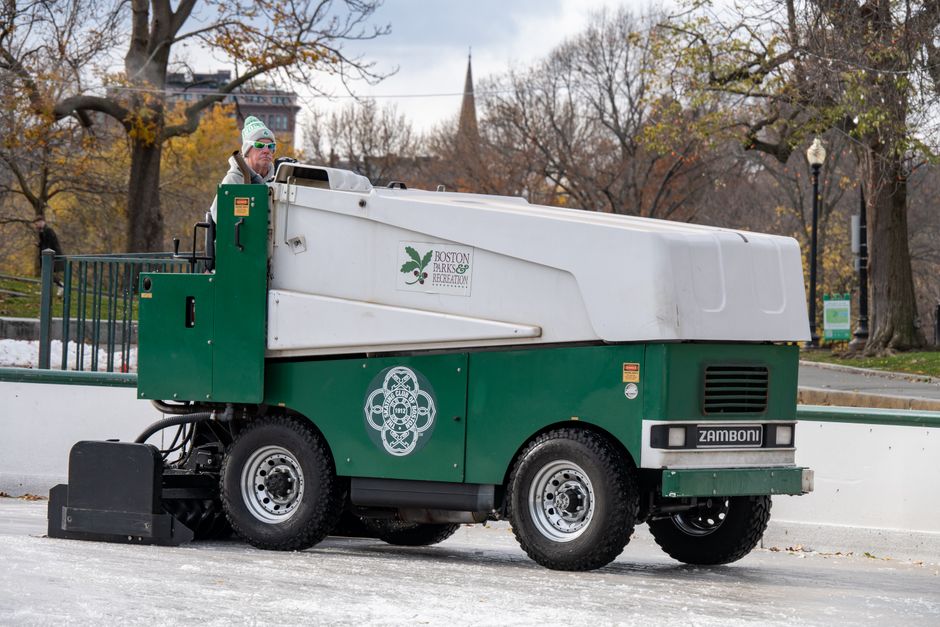
Walk through Jamaica Plain on any summer evening and you'll find packed softball diamonds, basketball courts humming with pickup games, and tennis players queuing for court time. Yet beneath Boston's thriving recreational sports scene lies a infrastructure crisis that amateur league organizers say threatens the city's athletic future.
The demand is undeniable. Over 12,000 adults participate in Boston Parks and Recreation's organized leagues—up 34 percent since 2019—with waitlists for everything from coed soccer to pickle ball. The Dorchester Youth Hockey League alone has tripled membership in five years. But the facilities supporting this growth remain largely stagnant.
"We're running three shifts on six courts," says a Parks Department official overseeing the Charlesbank Playground facility in Cambridge. Courts built in the 1980s host upwards of 200 recreational players weekly. Maintenance requests pile up. Last winter, three courts at the Roxbury YMCA on Warren Street sat unusable for eight months due to resurfacing delays, forcing leagues to scramble for alternatives across the metro area.
The financial strain is real. Annual membership fees for competitive amateur leagues in Boston now average $180 per player—double the rate a decade ago—largely due to rising facility rental costs. The Allston-Brighton Adult Baseball League pays $4,200 monthly to secure three fields. Private operators managing facilities like TopGolf Boston in Seaport have capitalized on the gap, attracting recreational players willing to pay premium rates for modern infrastructure.
City investment hasn't kept pace. Boston's Parks Department received $312 million in the fiscal 2026 budget, but capital improvements for recreational facilities account for just 8 percent of that allocation. Meanwhile, neighboring municipalities like Newton and Arlington have secured state grants totaling $2.8 million for facility upgrades since 2023.
Some organizations have found creative solutions. The Emerald Necklace Alliance partnered with nonprofits to renovate courts at Jamaica Pond, while the Boston Handball Association secured community funding to restore three courts in Southie. These pockets of progress, however, don't solve systemic issues.
As Boston's amateur sports community continues expanding—the Couch to 5K running clubs now boast chapters in every neighborhood—city officials face mounting pressure to modernize infrastructure. Without significant reinvestment in courts, fields, and facilities, the recreational leagues that define Boston's athletic identity risk becoming inaccessible to all but the most committed—and well-funded—players.
This article was compiled by AI and screened before publishing. See our editorial standards.
How does this story make you feel?
Spread the word
About this article
Published by The Daily Boston
Daily brief
Free, in your inbox before 7am. Weekdays.
More in Sport