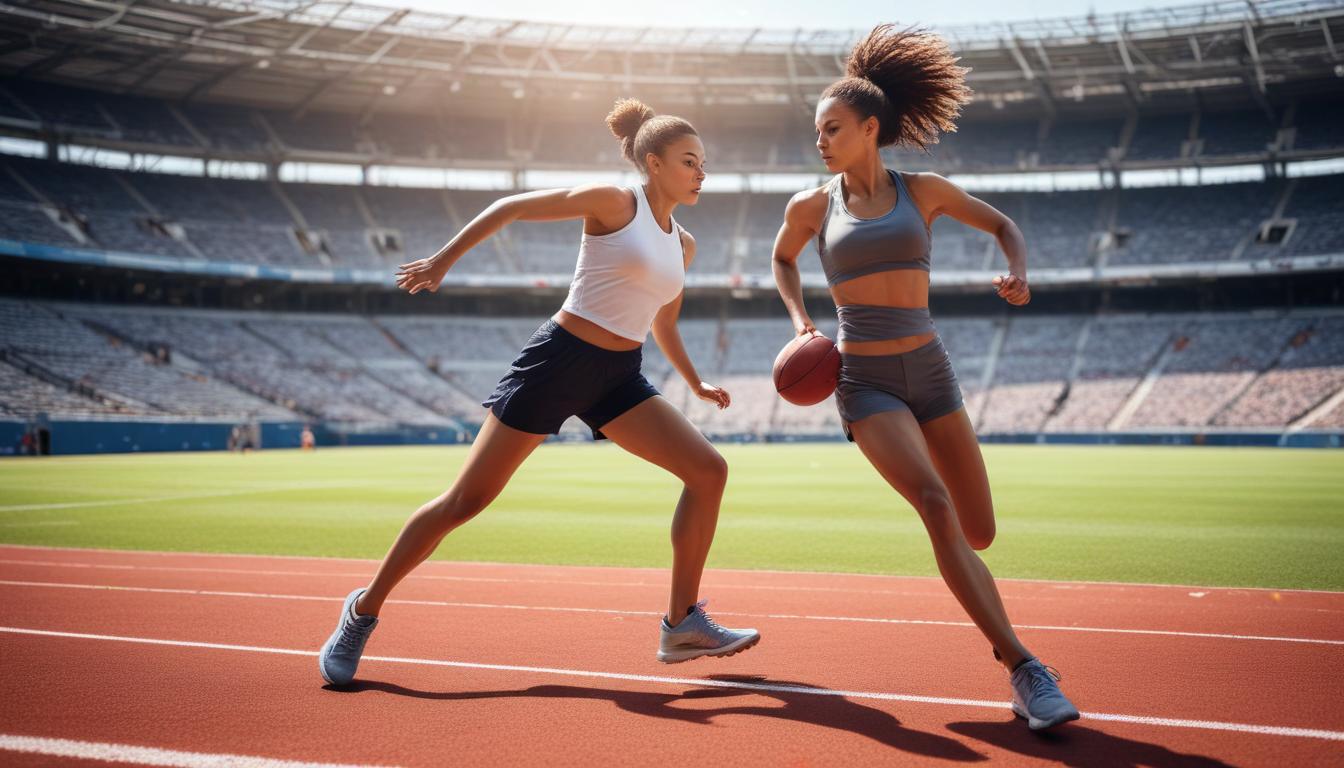
On Tuesday evenings, the courts at the Bayside Expo Center in Dorchester transform into a patchwork of colour—neon pinnies, scuffed trainers, the familiar thud of basketballs. The Boston Amateur Basketball League, now in its 12th season, draws 200-plus players weekly across 18 teams, many of them working professionals squeezing recreation between 9-to-5s and family commitments.
This scene repeats across Boston's neighbourhoods. The Jamaica Plain Running Club meets Saturday mornings at the Pond; co-ed volleyball leagues pack gyms in Allston; the Southie Cycling Collective has grown from eight riders in 2019 to nearly 150 today. These aren't elite athletes chasing sponsorships. They're teachers, nurses, graphic designers, and parents discovering that grassroots sport offers something increasingly rare in modern urban life: genuine community.
"We're seeing something shift," says Maria Chen, who coordinates recreational programming for the Boston Parks and Recreation Department. "Post-pandemic, people are actively choosing to play together. League fees typically run £40 to £80 per season—affordable enough that cost isn't a barrier, but meaningful enough that people commit."
The numbers tell the story. Across Boston's 22 neighbourhoods, participation in amateur recreational clubs has grown roughly 35% since 2022, according to data from the city's sports commission. Winter indoor leagues—basketball, futsal, badminton—consistently sell out registration slots by October. Summer outdoor programs fill within weeks.
What explains this momentum? Part of it reflects simple human appetite for connection. But it's also driven by intentional infrastructure. Organisations like the Boston Community Sports Alliance, established in 2018, now coordinate schedules across 40-plus independent clubs, ensuring accessible venues and inclusive frameworks. Many leagues now enforce rotating volunteer roles—everyone takes a turn officiating or managing scores—distributing responsibility and deepening investment.
The ripple effects extend beyond courts and fields. Several neighbourhoods have reported upticks in foot traffic to local cafés and restaurants as post-game gatherings become ritual. Parents watching younger siblings play become volunteers; volunteers become board members; board members shape policy. The Roxbury Intramural Soccer Collective started as six mates kicking a ball at Moakley Park; today it runs four competitive divisions and a youth development program.
These grassroots movements remain largely invisible to mainstream sports coverage, overshadowed by professional franchises. Yet they represent something vital: the everyday democracy of play, where belonging matters as much as winning, and where neighbourhoods rebuild themselves one season at a time.
This article was compiled by AI and screened before publishing. See our editorial standards.