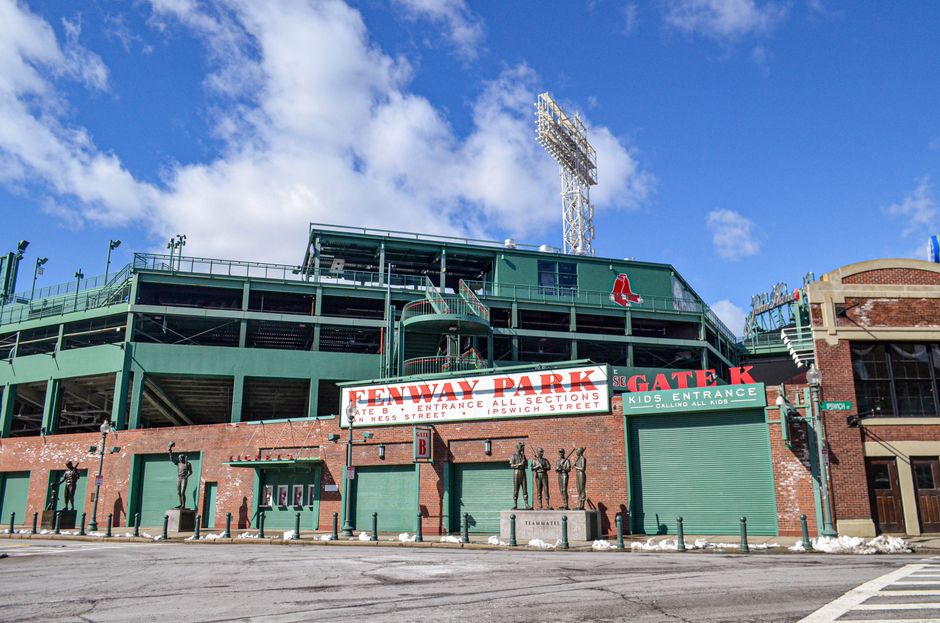
Walk past the old warehouse on Lansdowne Street on any Tuesday evening and you'll hear it before you see it: the rhythmic thud of medicine balls, the calls of encouragement, the collective grunt of thirty Bostonians pushing themselves harder than they would alone. This is where the city's grassroots fitness revolution isn't just happening—it's thriving.
For years, Boston's gym culture was dominated by premium chains charging upwards of $200 monthly for treadmill access and mirror-lined rooms. But over the past five years, something different has emerged from neighbourhood corners: community-driven training collectives that cost a fraction of that price while building something far more valuable—actual community.
Organizations like those operating out of Jamaica Plain's converted storefronts and Dorchester's recreation centers report membership growth of 40% year-over-year, according to local fitness data compiled by community leaders. Unlike corporate chains, these grassroots operations emphasize accountability, skill-sharing, and neighbourhood building. Monthly membership typically runs $40-80, with many offering sliding scales for residents facing financial barriers.
The movement reflects a broader shift in how Bostonians view fitness. Rather than isolating workouts into sterile facilities, community groups have reclaimed public spaces—the Greenway, neighbourhood parks, church basements—transforming them into training hubs. East Boston's waterfront has become an informal gathering point for running collectives. Roxbury's Dudley Square hosts outdoor strength training sessions three times weekly.
What's driving this? Partly economics. But organisers point to something deeper: exhaustion with the transactional fitness model. A 2025 survey of Boston fitness participants found that 67% valued community accountability over equipment access—a marked shift from previous years.
The grassroots movement has also democratized expertise. Rather than gatekeeping knowledge behind certified trainer fees, these collectives operate on peer-learning models where experienced members mentor newcomers. This approach has proven particularly effective in neighbourhoods historically underserved by commercial fitness infrastructure.
The implications extend beyond individual health metrics. These networks are reducing urban isolation, creating informal employment pathways through volunteer coaching, and fostering genuine neighbourhood bonds. In an era of fragmentation, Boston's grassroots fitness movement represents something increasingly rare: strangers becoming community through shared effort and mutual investment.
As summer approaches and outdoor training season peaks, expect these collectives to expand further. The movement has proved sustainable because it answers a fundamental human need—not just for fitness, but for belonging.
This article was compiled by AI from the sources linked above and screened before publishing. See our editorial standards.