Red Sox's Young Core Transforms Fenway Into Summer Destination as Rebuild Gains Momentum
With homegrown talent finally delivering wins, Boston's iconic ballpark is experiencing a renaissance that extends far beyond the diamond.
With homegrown talent finally delivering wins, Boston's iconic ballpark is experiencing a renaissance that extends far beyond the diamond.
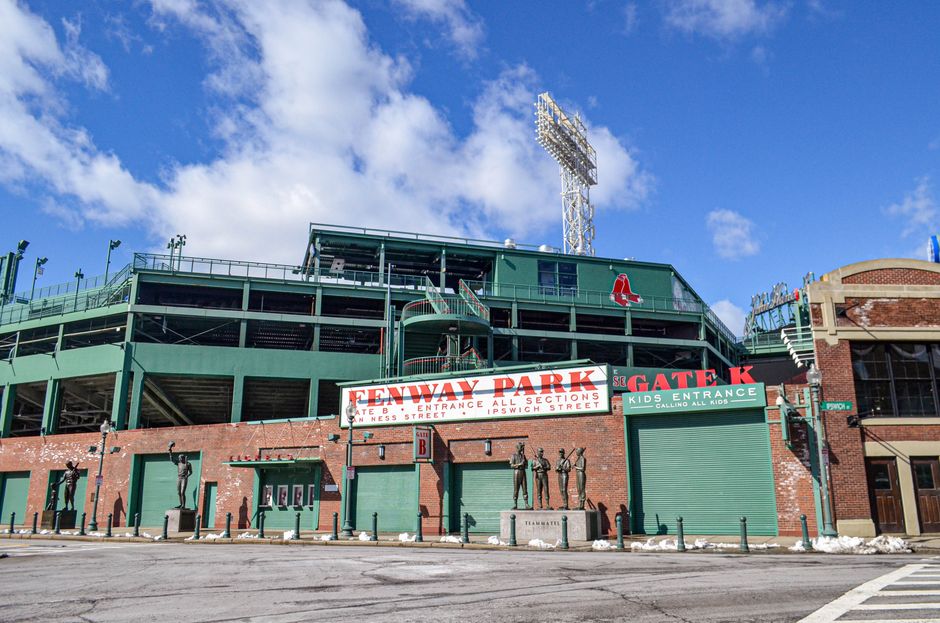
For the first time in three seasons, Fenway Park is packed on weeknights. The transformation is palpable along Lansdowne Street and throughout the Fenway neighbourhood, where the Red Sox's unexpected resurgence has revitalized a fan base that had grown accustomed to disappointment.
The catalyst is clear: a quartet of homegrown prospects who've matured into legitimate major league contributors. The youngest core in baseball is posting winning records, and suddenly tickets that were going begging in April are commanding secondary market premiums. General admission seats that sold for $15 in May are now pushing $45 on game days against division rivals.
The economic ripple is substantial. Local restaurants from the Saus on Lansdowne to the gastropubs along Brookline Avenue report 40% increases in pre-game traffic compared to last season. The team's merchandise shop near the Kenmore station is rotating inventory twice weekly. TD Garden's proximity means Boston's sports economy is thriving across multiple venues, but Fenway's renewal feels particularly meaningful given how dire conditions looked eighteen months ago.
What's driving the excitement transcends statistics. The Red Sox's front office made a conscious decision to develop rather than trade away young talent, a strategy that seemed questionable through the losing stretch but is now validating itself nightly. Kids in Dorchester and Jamaica Plain are wearing new jerseys. The team's social media engagement has spiked 65% year-over-year.
The venue itself—110 years old and still iconic—benefits from this momentum. Recent infrastructure investments in concourse areas and upgraded WiFi throughout the ballpark have enhanced the gameday experience. Capacity crowds (approximately 37,500) generate an atmosphere that reminds long-time observers why Fenway remains one of baseball's most storied addresses.
Beyond the financial metrics and win-loss records, there's something deeper happening. Boston's sports identity has always been intertwined with success and suffering in equal measure. The Red Sox endured lengthy championship droughts before 2004. They've experienced recent collapses that tested fan loyalty. This current group—built internally rather than through megadeal acquisitions—represents a different path forward.
As June turns to July, Fenway Park's summer schedule stretches ahead. The bleachers are full. The standing room sections are standing room only. And for the first time this decade, the question isn't whether this team can compete, but how far they can actually go.
This article was compiled by AI and screened before publishing. See our editorial standards.
How does this story make you feel?
Spread the word
About this article
Published by The Daily Boston
Daily brief
Free, in your inbox before 7am. Weekdays.
More in Sport