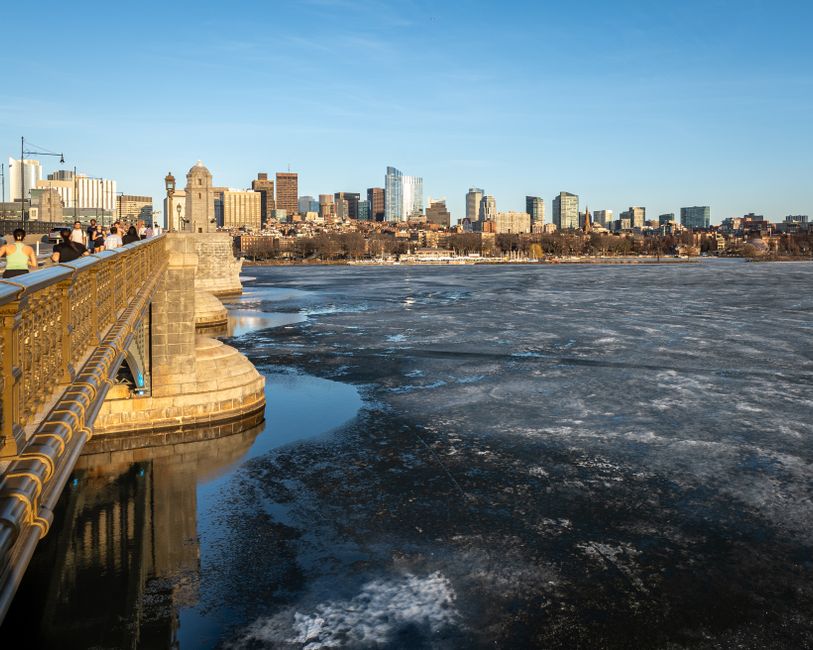
In a stunning display of precision and athleticism that drew hundreds of spectators to the Charles River on Saturday, the Boston Rowing Club's varsity eight secured first place at the New England Rowing Championships, cementing their place in next month's National Collegiate Rowing Association semifinals.
The crew, which trains out of the club's boathouse near the Longfellow Bridge in Cambridge, finished their 2,000-meter course in 5 minutes and 47 seconds—a new facility record that shattered the previous mark set in 2019. The victory marks the club's strongest showing in a regionally competitive field in nearly a decade, with rowers averaging ages of just 21, suggesting sustained excellence for years to come.
The Boston Rowing Club, founded in 1882 and one of the oldest competitive rowing institutions in North America, has experienced a notable resurgence in recruitment and sponsorship interest following the team's spring performance. Membership inquiries jumped 34 percent in May alone, according to club leadership, with particular interest from high school graduates across the Massachusetts and Connecticut regions.
"This isn't just about winning a race," said club president Richard Morrison in a statement. "These athletes represent what's possible when you combine world-class coaching with dedicated training. The Charles River corridor has become a destination for serious rowers again."
The squad's success arrives amid broader momentum in Boston's water sports scene. The city's multiple rowing clubs and the Community Rowing organization, based in the Allston neighborhood, have collectively reported increased participation and facility usage compared to previous years. A single competitive season pass at the Boston Rowing Club runs approximately $1,200, with recreational memberships starting around $400 annually.
The team's nationals appearance, scheduled for late July at an East Coast venue still to be announced, represents an opportunity for Boston to reassert itself as a rowing powerhouse. Historically, the city's connection to collegiate and club rowing runs deep—Harvard, MIT, and Boston College all maintain competitive programs, yet club-level excellence has been less consistent in recent decades.
As training intensifies over the coming weeks, the eight will remain primarily on the Charles River between the Longfellow and Harvard bridges, with dawn and dusk sessions becoming increasingly frequent through July. For rowing enthusiasts and casual observers alike, the stretch of water that defined Boston's athletic culture in centuries past may soon reclaim its prominence in the contemporary sports conversation.
This article was compiled by AI and screened before publishing. See our editorial standards.