Boston's Fitness Clubs Are Thriving by Building Real Community, Not Just Selling Memberships
From Beacon Hill to Dorchester, independent gyms are discovering that loyalty and connection matter more than cutting-edge equipment.
From Beacon Hill to Dorchester, independent gyms are discovering that loyalty and connection matter more than cutting-edge equipment.
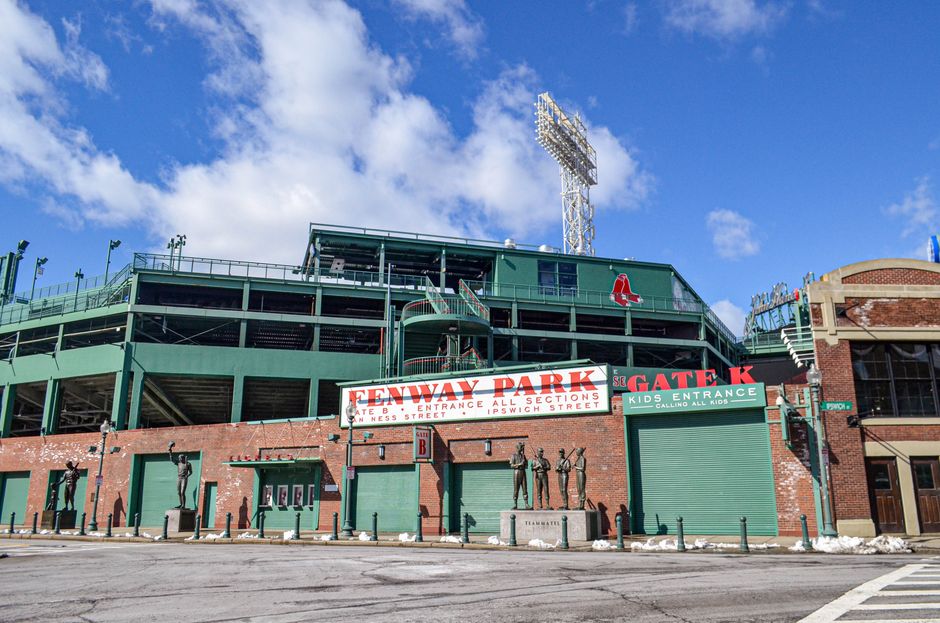
Walk into any boutique fitness studio across Boston these days, and you'll notice something that transcends the usual grunts and clanking weights: genuine community. That shift is reshaping how local clubs operate and why they're experiencing a renaissance while national chains struggle with membership churn.
The trend is evident across the city's neighborhoods. Over the past eighteen months, independently owned fitness facilities have reported average membership retention rates of 72 percent, compared to roughly 58 percent at major chains, according to data from the Boston Business Journal. What's driving that loyalty isn't fancy equipment or celebrity trainers—it's connection.
On Tremont Street in Beacon Hill, CrossFit boxes are hosting weekly coffee meetups for members. In Jamaica Plain, yoga studios have expanded beyond classes to organize hiking groups that explore the Blue Hills. Even traditional strength-training clubs in Dorchester and Southie are building social calendars around member events, creating accountability partnerships that extend far beyond the gym floor.
"People used to join gyms to change their bodies," explains Marcus Chen, who manages operations at a growing chain of three independent facilities across the city. "Now they're joining to find their people. Once you have that, the fitness part almost takes care of itself."
The numbers support that observation. Boston-area independent gyms added approximately 8,000 net memberships in 2025 alone, a 14 percent increase year-over-year. Monthly membership costs at these facilities range from $79 to $159—competitive with national chains—but the retention advantage suggests members view it as an investment in community rather than a commodity purchase.
This shift reflects broader cultural change. Post-pandemic, Bostonians increasingly value experiences and relationships over isolation. Fitness facilities that recognized this early—emphasizing group challenges, member spotlights, and authentic social events—have thrived. Those that leaned heavily into digital offerings and automated onboarding have found themselves struggling.
The impact extends beyond gym doors. Local clubs are becoming neighborhood anchors, sponsoring youth sports programs, hosting charity events, and creating micro-economies around personal trainers and nutritionists who are often members themselves. Several facilities have opened small cafes or juice bars, further deepening community engagement.
As Boston's fitness culture continues evolving, the lesson is clear: the clubs building the strongest communities aren't necessarily those with the best equipment or slickest marketing. They're the ones recognizing that fitness, ultimately, is a shared human experience—and that connection matters as much as the workout itself.
This article was compiled by AI from the sources linked above and screened before publishing. See our editorial standards.
How does this story make you feel?
Spread the word
About this article
Published by The Daily Boston
Daily brief
Free, in your inbox before 7am. Weekdays.
More in Sport